
Produktbeschreibung
Produktbeschreibung
Produktparameter
| Parameters | Einheit | Level | Reduktionsverhältnis | Flange Size Specification | |||||
| 060 | 090 | 115 | 142 | 180 | 220 | ||||
| Rated output torque T2n | N.m | 1 | 3 | 55 | 130 | 208 | 342 | 750 | 1140 |
| 4 | 50 | 140 | 290 | 542 | 1050 | 1700 | |||
| 5 | 60 | 160 | 330 | 650 | 1200 | 2000 | |||
| 6 | 55 | 140 | 300 | 550 | 1100 | 1800 | |||
| 7 | 50 | 140 | 300 | 550 | 1100 | 1800 | |||
| 8 | 45 | 120 | 260 | 500 | 1000 | 1600 | |||
| 10 | 40 | 100 | 230 | 450 | 900 | 1500 | |||
| 2 | 12 | 55 | 130 | 208 | 342 | 1050 | 1700 | ||
| 15 | 60 | 160 | 330 | 650 | 1200 | 2000 | |||
| 20 | 60 | 160 | 330 | 650 | 1200 | 2000 | |||
| 25 | 60 | 160 | 330 | 650 | 1200 | 2000 | |||
| 28 | 50 | 140 | 300 | 550 | 1100 | 1800 | |||
| 30 | 55 | 130 | 230 | 450 | 900 | 1500 | |||
| 35 | 60 | 160 | 330 | 650 | 1200 | 2000 | |||
| 40 | 60 | 160 | 330 | 650 | 1200 | 2000 | |||
| 50 | 60 | 160 | 330 | 650 | 1200 | 2000 | |||
| 70 | 50 | 140 | 300 | 550 | 1100 | 1800 | |||
| 100 | 40 | 100 | 230 | 450 | 900 | 1500 | |||
| 3 | 120 | 55 | 140 | 290 | 542 | 1050 | 1700 | ||
| 150 | 60 | 160 | 330 | 650 | 1200 | 2000 | |||
| 200 | 60 | 160 | 330 | 650 | 1200 | 2000 | |||
| 250 | 60 | 160 | 330 | 650 | 1200 | 2000 | |||
| 280 | 50 | 140 | 300 | 550 | 1100 | 1800 | |||
| 350 | 60 | 160 | 330 | 650 | 1200 | 2000 | |||
| 400 | 60 | 160 | 330 | 650 | 1200 | 2000 | |||
| 500 | 60 | 160 | 330 | 650 | 1200 | 2000 | |||
| 700 | 50 | 140 | 300 | 550 | 1100 | 1800 | |||
| 1000 | 40 | 100 | 230 | 450 | 900 | 1500 | |||
| Maximum output torque T2b | N.m | 1,2,3 | 3~1000 | 3Times of Rated Output Torque | |||||
| Rated input speed N1n | U/min | 1,2,3 | 3~1000 | 4000 | 3000 | 3000 | 3000 | 3000 | 2000 |
| Maximum input speed N1b | U/min | 1,2,3 | 3~1000 | 8000 | 6000 | 6000 | 6000 | 6000 | 4000 |
| Ultra Precision Backlash PS | arcmin | 1 | 3~10 | ≤1 | ≤1 | ≤1 | ≤1 | ≤1 | ≤1 |
| arcmin | 2 | 12~100 | ≤2 | ≤2 | ≤2 | ≤2 | ≤2 | ≤2 | |
| arcmin | 3 | 120~1000 | ≤5 | ≤5 | ≤5 | ≤5 | ≤5 | ≤5 | |
| High precision backlash P0 | arcmin | 1 | 3~10 | ≤2 | ≤2 | ≤2 | ≤2 | ≤2 | ≤2 |
| arcmin | 2 | 12~100 | ≤3 | ≤3 | ≤3 | ≤3 | ≤3 | ≤3 | |
| arcmin | 3 | 120~1000 | ≤7 | ≤7 | ≤7 | ≤7 | ≤7 | ≤7 | |
| Precision backlash P1 | arcmin | 1 | 3~10 | ≤3 | ≤3 | ≤3 | ≤3 | ≤3 | ≤3 |
| arcmin | 2 | 12~100 | ≤5 | ≤5 | ≤5 | ≤5 | ≤5 | ≤5 | |
| arcmin | 3 | 12~1000 | ≤9 | ≤9 | ≤9 | ≤9 | ≤9 | ≤9 | |
| Standard backlash P2 | arcmin | 1 | 3~10 | ≤5 | ≤5 | ≤5 | ≤5 | ≤5 | ≤5 |
| arcmin | 2 | 12~100 | ≤7 | ≤7 | ≤7 | ≤7 | ≤7 | ≤7 | |
| arcmin | 3 | 120~1000 | ≤11 | ≤11 | ≤11 | ≤11 | ≤11 | ≤11 | |
| Torsional rigidity | Nm/arcmin | 1,2,3 | 3~1000 | 3.5 | 10.5 | 20 | 39 | 115 | 180 |
| Allowable radial force F2rb2 | N | 1,2,3 | 3~1000 | 1100 | 2200 | 5571 | 7610 | 10900 | 24000 |
| Allowable axial force F2ab2 | N | 1,2,3 | 3~1000 | 630 | 1230 | 2550 | 3780 | 5875 | 11200 |
| Moment of Inertia J1 | kg.cm2 | 1 | 3~10 | 0.2 | 1.2 | 2 | 7.2 | 25 | 65 |
| 2 | 12~100 | 0.08 | 0.18 | 0.7 | 1.7 | 7.9 | 14 | ||
| 3 | 120~1000 | 0.03 | 0.01 | 0.04 | 0.09 | 0.21 | 0.82 | ||
| Service Life | hr | 1,2,3 | 3~1000 | 20000 | |||||
| Efficiency η | % | 1 | 3~10 | 97% | |||||
| 2 | 12~100 | 94% | |||||||
| 3 | 120~1000 | 91% | |||||||
| Noise Level | dB | 1,2,3 | 3~1000 | ≤58 | ≤60 | ≤63 | ≤65 | ≤67 | ≤70 |
| Betriebstemperatur | ºC | 1,2,3 | 3~1000 | -10~+90 | |||||
| Protection Class | IP | 1,2,3 | 3~1000 | IP65 | |||||
| Weights | kg | 1 | 3~10 | 1.3 | 3.9 | 8.7 | 16 | 31 | 48 |
| 2 | 12~100 | 1.8 | 4.6 | 10 | 20 | 39 | 62 | ||
| 3 | 120~1000 | 2.3 | 5.3 | 10.5 | 21 | 41 | 66 | ||
Häufig gestellte Fragen
Q: How to select a gearbox?
A: Firstly, determine the torque and speed requirements for your application. Consider the load characteristics, operating environment, and duty cycle. Then, choose the appropriate gearbox type, such as planetary, worm, or helical, based on the specific needs of your system. Ensure compatibility with the motor and other mechanical components in your setup. Lastly, consider factors like efficiency, backlash, and size to make an informed selection.
Q: What type of motor can be paired with a gearbox?
A: Gearboxes can be paired with various types of motors, including servo motors, stepper motors, and brushed or brushless DC motors. The choice depends on the specific application requirements, such as speed, torque, and precision. Ensure compatibility between the gearbox and motor specifications for seamless integration.
Q: Does a gearbox require maintenance, and how is it maintained?
A: Gearboxes typically require minimal maintenance. Regularly check for signs of wear, lubricate as per the manufacturer’s recommendations, and replace lubricants at specified intervals. Performing routine inspections can help identify issues early and extend the lifespan of the gearbox.
Q: What is the lifespan of a gearbox?
A: The lifespan of a gearbox depends on factors such as load conditions, operating environment, and maintenance practices. A well-maintained gearbox can last for several years. Regularly monitor its condition and address any issues promptly to ensure a longer operational life.
Q: What is the slowest speed a gearbox can achieve?
A: Gearboxes are capable of achieving very slow speeds, depending on their design and gear ratio. Some gearboxes are specifically designed for low-speed applications, and the choice should align with the specific speed requirements of your system.
Q: What is the maximum reduction ratio of a gearbox?
A: The maximum reduction ratio of a gearbox depends on its design and configuration. Gearboxes can achieve various reduction ratios, and it’s important to choose 1 that meets the torque and speed requirements of your application. Consult the gearbox specifications or contact the manufacturer for detailed information on available reduction ratios.
/* March 10, 2571 17:59:20 */!function(){function s(e,r){var a,o={};try{e&&e.split(“,”).forEach(function(e,t){e&&(a=e.match(/(.*?):(.*)$/))&&1
| Anwendung: | Motor, Electric Cars, Machinery, Agricultural Machinery, Gearbox |
|---|---|
| Härte: | Gehärtete Zahnoberfläche |
| Installation: | Vertikaler Typ |
| Anpassung: |
Verfügbar
| Kundenspezifische Anfrage |
|---|
.shipping-cost-tm .tm-status-off{background: none;padding:0;color: #1470cc}
|
Shipping Cost:
Estimated freight per unit. |
about shipping cost and estimated delivery time. |
|---|
| Payment Method: |
|
|---|---|
|
Initial Payment Full Payment |
| Currency: | US$ |
|---|
| Return&refunds: | You can apply for a refund up to 30 days after receipt of the products. |
|---|
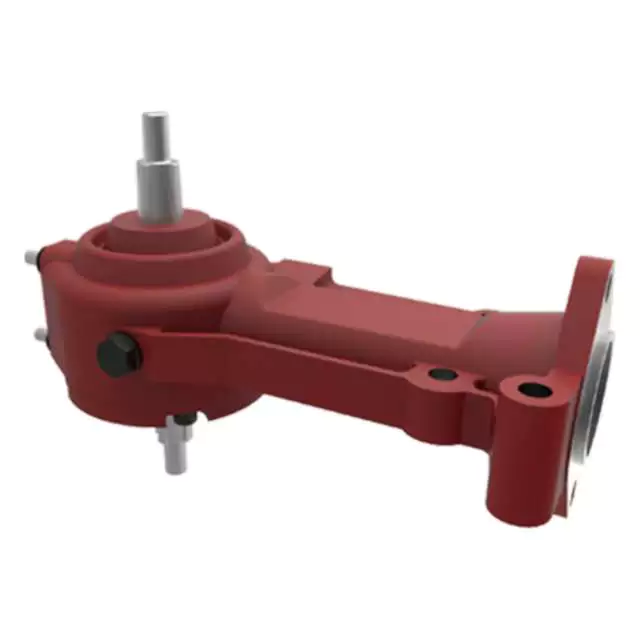
Considerations for Heavy-Duty Farming Gearboxes
Heavy-duty farming applications require robust and reliable gearboxes that can withstand high loads, harsh conditions, and frequent use. Here are the key considerations for selecting gearboxes for heavy-duty farming:
- Load Capacity: Heavy-duty gearboxes must have a high load-carrying capacity to handle the demands of agricultural machinery, such as tillers, plows, and combines.
- Material Durability: Gearboxes should be constructed from durable materials, such as hardened steel or cast iron, that can withstand the stresses and impacts associated with heavy-duty tasks.
- Sealing and Protection: Effective sealing and protection mechanisms, such as robust seals and gaskets, prevent the ingress of dirt, water, and contaminants that can cause premature wear and damage.
- Lubrication System: A reliable and efficient lubrication system is crucial for heavy-duty gearboxes to ensure proper lubrication of components under high loads and temperatures.
- Heat Dissipation: Heavy-duty applications generate significant heat. Gearboxes should have efficient heat dissipation mechanisms, such as cooling fins or oil coolers, to prevent overheating and maintain performance.
- Design and Construction: Gearbox design should incorporate reinforced housing, larger bearings, and robust gears to handle heavy loads without compromising structural integrity.
- Alignment and Mounting: Proper alignment and mounting are essential to ensure smooth and efficient power transmission. Misalignment can lead to increased wear and reduced gearbox lifespan.
- Maintenance Accessibility: Heavy-duty gearboxes should be designed for easy maintenance access. Features such as removable covers and inspection points simplify servicing and repairs.
- Kompatibilität: Gearboxes should be compatible with the specific machinery and tasks they will be used for. Customizable gear ratios and output shaft configurations enhance versatility.
- Reliability and Longevity: Heavy-duty gearboxes should be built to last, with quality craftsmanship and components that can withstand the demanding conditions of agricultural operations.
- Safety: Safety features, such as guards and emergency shutdown mechanisms, are essential to protect operators and nearby personnel from potential hazards.
- Environmental Considerations: Gearbox designs should consider environmental regulations and emissions standards to minimize the impact on the environment.
- Cost-Effectiveness: While heavy-duty gearboxes require a higher upfront investment, their durability and performance contribute to long-term cost-effectiveness by reducing downtime and the need for frequent replacements.
By carefully considering these factors, farmers can select the appropriate heavy-duty gearboxes that enhance productivity and reliability in their farming operations.
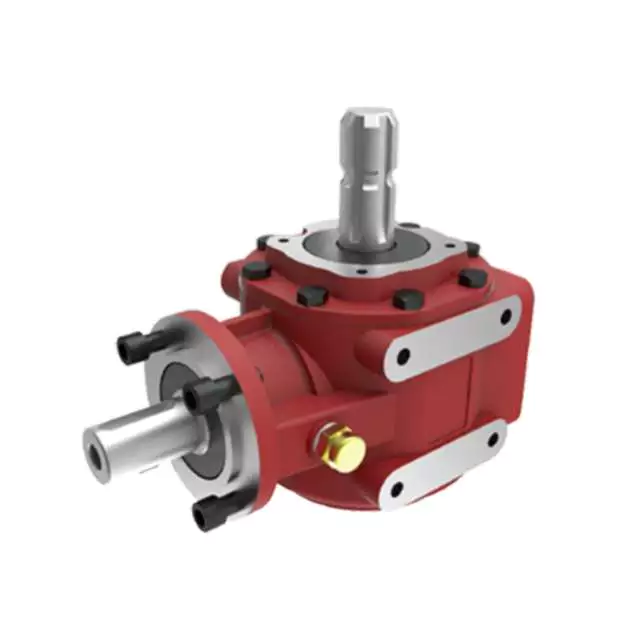
Steigerung von Effizienz und Produktivität in landwirtschaftlichen Betrieben durch landwirtschaftliche Getriebe
Landwirtschaftliche Getriebe spielen eine entscheidende Rolle bei der Steigerung von Effizienz und Produktivität in verschiedenen landwirtschaftlichen Betrieben. So tragen landwirtschaftliche Getriebe zur Verbesserung landwirtschaftlicher Praktiken bei:
- Kraftübertragung: Landwirtschaftliche Getriebe übertragen die Kraft des Traktormotors effizient auf verschiedene Anbaugeräte und ermöglichen es diesen, Aufgaben wie Pflügen, Säen und Ernten mit optimaler Kraft und optimalem Drehmoment auszuführen.
- Drehzahlregelung: Getriebe ermöglichen es Landwirten, die Geschwindigkeit der Anbaugeräte an unterschiedliche Bodentypen, Pflanzenbedingungen und Arbeitsaufgaben anzupassen. Diese Flexibilität gewährleistet Präzision und optimale Leistung.
- Aufgabenspezialisierung: Durch den Einsatz verschiedener Anbaugeräte und Werkzeuge kann ein mit einem Getriebe ausgestatteter Traktor eine Vielzahl von Aufgaben übernehmen, wodurch der Bedarf an mehreren Spezialmaschinen reduziert wird.
- Optimiertes Drehmoment: Landwirtschaftliche Getriebe liefern das notwendige Drehmoment, um Widerstände durch harte Böden, Vegetation und andere herausfordernde Bedingungen zu überwinden und so einen gleichmäßigen und effizienten Betrieb zu gewährleisten.
- Verbesserte Pflanzenbewirtschaftung: Getriebe ermöglichen eine präzise Steuerung von Saattiefe, Pflanzabstand und Düngung und tragen so zu einem besseren Pflanzenmanagement und höheren Erträgen bei.
- Reduzierte Ermüdung des Bedieners: Eine effiziente Kraftübertragung und kontrollierte Betriebsabläufe reduzieren die körperliche Belastung der Bediener und ermöglichen es ihnen, länger zu arbeiten, ohne übermäßig zu ermüden.
- Ressourcenschonung: Durch die präzise Verteilung von Saatgut, Düngemitteln und anderen Betriebsmitteln tragen Getriebe dazu bei, Ressourcen zu schonen und Abfall zu minimieren.
- Verbesserte Ernte: Getriebe ermöglichen einen reibungslosen Betrieb von Erntemaschinen wie Mähdreschern und Feldhäckslern und führen so zu einer effizienten und beschädigungsfreien Ernte.
- Zeit- und Arbeitsersparnis: Landwirtschaftliche Getriebe beschleunigen Arbeiten wie Pflügen, Bodenbearbeitung und Säen und ermöglichen es den Landwirten, größere Flächen in kürzerer Zeit zu bearbeiten, was insbesondere während der Pflanz- und Erntezeit von entscheidender Bedeutung ist.
- Zuverlässigkeit und Langlebigkeit: Gut konstruierte Getriebe sind so ausgelegt, dass sie den Belastungen in der Landwirtschaft standhalten und so Ausfallzeiten aufgrund von Wartungsarbeiten oder Geräteausfällen reduzieren.
Der Einsatz von Agrargetrieben in Landmaschinen trägt wesentlich zur Optimierung der Arbeitsabläufe, zur Verringerung des manuellen Aufwands und zur effizienteren Ressourcennutzung bei. Dadurch können Landwirte eine höhere Effizienz, Produktivität und Rentabilität ihres Betriebs erzielen.
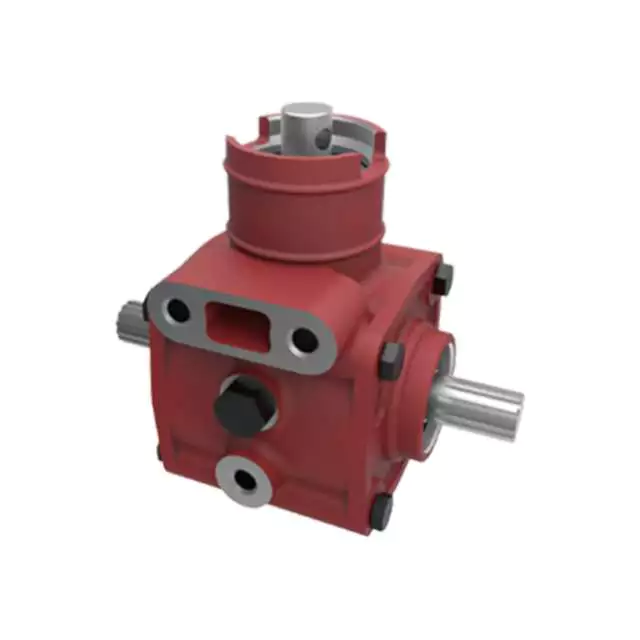
Die Rolle von Agrargetrieben in Landmaschinen
Ein Landwirtschaftsgetriebe ist ein spezielles Getriebe, das in verschiedenen Landmaschinen und -geräten eingesetzt wird. Es spielt eine entscheidende Rolle für deren einwandfreie Funktion, indem es Kraft und Drehmoment vom Motor auf die verschiedenen Komponenten überträgt, die spezifische Aufgaben auf dem Feld erfüllen.
Landwirtschaftliche Getriebe sind so konstruiert, dass sie den anspruchsvollen Bedingungen in der Landwirtschaft standhalten, darunter Staub, Schmutz, Feuchtigkeit und hohe Belastungen. Sie werden häufig in einer Vielzahl von Landmaschinen eingesetzt, beispielsweise in Traktoren, Mähdreschern, Bodenfräsen, Feldspritzen und anderen.
Zu den Hauptfunktionen von Landwirtschaftsgetrieben gehören:
- Kraftübertragung: Landwirtschaftliche Getriebe übertragen die Kraft des Motors auf verschiedene Komponenten wie Räder, Messer und Riemen und ermöglichen es ihnen so, ihre jeweiligen Aufgaben zu erfüllen.
- Geschwindigkeitsregelung: Getriebe ermöglichen es dem Bediener, die Drehzahl und das Drehmoment von Landmaschinen zu steuern. Unterschiedliche Aufgaben erfordern unterschiedliche Drehzahlen und Drehmomente, und Getriebe bieten die notwendigen Einstellmöglichkeiten.
- Richtungsänderung: Viele landwirtschaftliche Arbeitsgänge erfordern die Änderung der Drehrichtung. Getriebe ermöglichen reibungslose und effiziente Richtungsänderungen ohne komplexe mechanische Konstruktionen.
- Anpassung an Aufgaben: Landwirtschaftliche Getriebe sind mit verschiedenen Zahnrädern und Wellen ausgestattet, die so konfiguriert werden können, dass sie den Anforderungen spezifischer Aufgaben wie Pflügen, Säen, Ernten usw. gerecht werden.
Diese Getriebe sind in verschiedenen Ausführungen erhältlich, beispielsweise als Gerad-, Schräg- oder Planetengetriebe, je nach Anwendung und Anforderungen. Die Wahl des Getriebetyps, des Übersetzungsverhältnisses und der Konstruktionsfaktoren beeinflusst die Gesamtleistung, Effizienz und Langlebigkeit von Landmaschinen.
Regelmäßige Wartung und Schmierung sind unerlässlich für die Langlebigkeit und den zuverlässigen Betrieb von Getrieben in der Landwirtschaft. Sorgfältige Pflege und Wartung beugen vorzeitigem Verschleiß und Schäden vor und gewährleisten so die optimale Leistung der Maschinen während der gesamten Anbausaison.


editor by CX 2023-12-21