
Ürün Açıklaması
Ürün Açıklaması
Ürün Parametreleri
| Parametreler | Birim | Seviye | İndirgeme Oranı | Flanş Boyutu Spesifikasyonu | |||||
| 060 | 090 | 115 | 142 | 180 | 220 | ||||
| Rated output torque T2n | Nm | 1 | 3 | 55 | 130 | 208 | 342 | 750 | 1140 |
| 4 | 50 | 140 | 290 | 542 | 1050 | 1700 | |||
| 5 | 60 | 160 | 330 | 650 | 1200 | 2000 | |||
| 6 | 55 | 140 | 300 | 550 | 1100 | 1800 | |||
| 7 | 50 | 140 | 300 | 550 | 1100 | 1800 | |||
| 8 | 45 | 120 | 260 | 500 | 1000 | 1600 | |||
| 10 | 40 | 100 | 230 | 450 | 900 | 1500 | |||
| 2 | 12 | 55 | 130 | 208 | 342 | 1050 | 1700 | ||
| 15 | 60 | 160 | 330 | 650 | 1200 | 2000 | |||
| 20 | 60 | 160 | 330 | 650 | 1200 | 2000 | |||
| 25 | 60 | 160 | 330 | 650 | 1200 | 2000 | |||
| 28 | 50 | 140 | 300 | 550 | 1100 | 1800 | |||
| 30 | 55 | 130 | 230 | 450 | 900 | 1500 | |||
| 35 | 60 | 160 | 330 | 650 | 1200 | 2000 | |||
| 40 | 60 | 160 | 330 | 650 | 1200 | 2000 | |||
| 50 | 60 | 160 | 330 | 650 | 1200 | 2000 | |||
| 70 | 50 | 140 | 300 | 550 | 1100 | 1800 | |||
| 100 | 40 | 100 | 230 | 450 | 900 | 1500 | |||
| 3 | 120 | 55 | 140 | 290 | 542 | 1050 | 1700 | ||
| 150 | 60 | 160 | 330 | 650 | 1200 | 2000 | |||
| 200 | 60 | 160 | 330 | 650 | 1200 | 2000 | |||
| 250 | 60 | 160 | 330 | 650 | 1200 | 2000 | |||
| 280 | 50 | 140 | 300 | 550 | 1100 | 1800 | |||
| 350 | 60 | 160 | 330 | 650 | 1200 | 2000 | |||
| 400 | 60 | 160 | 330 | 650 | 1200 | 2000 | |||
| 500 | 60 | 160 | 330 | 650 | 1200 | 2000 | |||
| 700 | 50 | 140 | 300 | 550 | 1100 | 1800 | |||
| 1000 | 40 | 100 | 230 | 450 | 900 | 1500 | |||
| Maximum output torque T2b | Nm | 1,2,3 | 3~1000 | 3Times of Rated Output Torque | |||||
| Rated input speed N1n | devir | 1,2,3 | 3~1000 | 4000 | 3000 | 3000 | 3000 | 3000 | 2000 |
| Maximum input speed N1b | devir | 1,2,3 | 3~1000 | 8000 | 6000 | 6000 | 6000 | 6000 | 4000 |
| Ultra Precision Backlash PS | ark dakika | 1 | 3~10 | ≤1 | ≤1 | ≤1 | ≤1 | ≤1 | ≤1 |
| ark dakika | 2 | 12~100 | ≤2 | ≤2 | ≤2 | ≤2 | ≤2 | ≤2 | |
| ark dakika | 3 | 120~1000 | ≤5 | ≤5 | ≤5 | ≤5 | ≤5 | ≤5 | |
| High precision backlash P0 | ark dakika | 1 | 3~10 | ≤2 | ≤2 | ≤2 | ≤2 | ≤2 | ≤2 |
| ark dakika | 2 | 12~100 | ≤3 | ≤3 | ≤3 | ≤3 | ≤3 | ≤3 | |
| ark dakika | 3 | 120~1000 | ≤7 | ≤7 | ≤7 | ≤7 | ≤7 | ≤7 | |
| Precision backlash P1 | ark dakika | 1 | 3~10 | ≤3 | ≤3 | ≤3 | ≤3 | ≤3 | ≤3 |
| ark dakika | 2 | 12~100 | ≤5 | ≤5 | ≤5 | ≤5 | ≤5 | ≤5 | |
| ark dakika | 3 | 12~1000 | ≤9 | ≤9 | ≤9 | ≤9 | ≤9 | ≤9 | |
| Standard backlash P2 | ark dakika | 1 | 3~10 | ≤5 | ≤5 | ≤5 | ≤5 | ≤5 | ≤5 |
| ark dakika | 2 | 12~100 | ≤7 | ≤7 | ≤7 | ≤7 | ≤7 | ≤7 | |
| ark dakika | 3 | 120~1000 | ≤11 | ≤11 | ≤11 | ≤11 | ≤11 | ≤11 | |
| Torsional rigidity | Nm/arcmin | 1,2,3 | 3~1000 | 3.5 | 10.5 | 20 | 39 | 115 | 180 |
| Allowable radial force F2rb2 | N | 1,2,3 | 3~1000 | 1100 | 2200 | 5571 | 7610 | 10900 | 24000 |
| Allowable axial force F2ab2 | N | 1,2,3 | 3~1000 | 630 | 1230 | 2550 | 3780 | 5875 | 11200 |
| Eylemsizlik Momenti J1 | kg.cm2 | 1 | 3~10 | 0.2 | 1.2 | 2 | 7.2 | 25 | 65 |
| 2 | 12~100 | 0.08 | 0.18 | 0.7 | 1.7 | 7.9 | 14 | ||
| 3 | 120~1000 | 0.03 | 0.01 | 0.04 | 0.09 | 0.21 | 0.82 | ||
| Hizmet Ömrü | saat | 1,2,3 | 3~1000 | 20000 | |||||
| Verimlilik η | % | 1 | 3~10 | 97% | |||||
| 2 | 12~100 | 94% | |||||||
| 3 | 120~1000 | 91% | |||||||
| Gürültü Seviyesi | dB | 1,2,3 | 3~1000 | ≤58 | ≤60 | ≤63 | ≤65 | ≤67 | ≤70 |
| Çalışma Sıcaklığı | °C | 1,2,3 | 3~1000 | -10~+90 | |||||
| Koruma Sınıfı | IP | 1,2,3 | 3~1000 | IP65 | |||||
| Weights | kilogram | 1 | 3~10 | 1.3 | 3.9 | 8.7 | 16 | 31 | 48 |
| 2 | 12~100 | 1.8 | 4.6 | 10 | 20 | 39 | 62 | ||
| 3 | 120~1000 | 2.3 | 5.3 | 10.5 | 21 | 41 | 66 | ||
SSS
S: Şanzıman nasıl seçilir?
A: Öncelikle, uygulamanız için gereken tork ve hız gereksinimlerini belirleyin. Yük özelliklerini, çalışma ortamını ve çalışma döngüsünü göz önünde bulundurun. Ardından, sisteminizin özel ihtiyaçlarına göre planet, sonsuz dişli veya helisel gibi uygun dişli kutusu tipini seçin. Kurulumunuzdaki motor ve diğer mekanik bileşenlerle uyumluluğu sağlayın. Son olarak, bilinçli bir seçim yapmak için verimlilik, boşluk ve boyut gibi faktörleri göz önünde bulundurun.
S: Hangi tip motor, şanzımanla eşleştirilebilir?
A: Dişli kutuları, servo motorlar, step motorlar ve fırçalı veya fırçasız DC motorlar dahil olmak üzere çeşitli motor tipleriyle eşleştirilebilir. Seçim, hız, tork ve hassasiyet gibi özel uygulama gereksinimlerine bağlıdır. Sorunsuz entegrasyon için dişli kutusu ve motor özelliklerinin uyumlu olduğundan emin olun.
S: Şanzımanın bakıma ihtiyacı var mıdır ve bakımı nasıl yapılır?
A: Şanzımanlar genellikle minimum bakım gerektirir. Aşınma belirtilerini düzenli olarak kontrol edin, üreticinin tavsiyelerine göre yağlayın ve yağlayıcıları belirtilen aralıklarla değiştirin. Rutin kontroller yapmak, sorunları erken tespit etmeye ve şanzımanın ömrünü uzatmaya yardımcı olabilir.
S: Bir şanzımanın ömrü ne kadardır?
A: Bir şanzımanın ömrü, yük koşulları, çalışma ortamı ve bakım uygulamaları gibi faktörlere bağlıdır. İyi bakımlı bir şanzıman birkaç yıl dayanabilir. Daha uzun bir çalışma ömrü sağlamak için durumunu düzenli olarak izleyin ve herhangi bir sorunu derhal giderin.
S: Bir şanzımanın ulaşabileceği en düşük hız nedir?
A: Şanzımanlar, tasarımlarına ve dişli oranlarına bağlı olarak çok düşük hızlara ulaşabilirler. Bazı şanzımanlar özellikle düşük hız uygulamaları için tasarlanmıştır ve seçim, sisteminizin özel hız gereksinimleriyle uyumlu olmalıdır.
S: Bir şanzımanın maksimum küçültme oranı nedir?
A: Bir şanzımanın maksimum küçültme oranı, tasarımına ve konfigürasyonuna bağlıdır. Şanzımanlar çeşitli küçültme oranlarına ulaşabilir ve uygulamanızın tork ve hız gereksinimlerini karşılayan birini seçmek önemlidir. Mevcut küçültme oranları hakkında ayrıntılı bilgi için şanzıman özelliklerine bakın veya üreticiyle iletişime geçin.
/* March 10, 2571 17:59:20 */!function(){function s(e,r){var a,o={};try{e&&e.split(“,”).forEach(function(e,t){e&&(a=e.match(/(.*?):(.*)$/))&&1
| Başvuru: | Motor, Elektrikli Arabalar, Makineler, Tarım Makineleri, Şanzıman |
|---|---|
| Sertlik: | Sertleştirilmiş Diş Yüzeyi |
| Kurulum: | Dikey Tip |
| Özelleştirme: |
Mevcut
| Özelleştirilmiş Talep |
|---|
.shipping-cost-tm .tm-status-off{background: none;padding:0;color: #1470cc}
|
Nakliye Ücreti:
Birim başına tahmini nakliye ücreti. |
Kargo ücreti ve tahmini teslim süresi hakkında bilgi. |
|---|
| Ödeme yöntemi: |
|
|---|---|
|
İlk Ödeme Tam Ödeme |
| Para birimi: | US$ |
|---|
| İade ve geri ödemeler: | Ürünleri teslim aldıktan sonraki 30 güne kadar iade talebinde bulunabilirsiniz. |
|---|
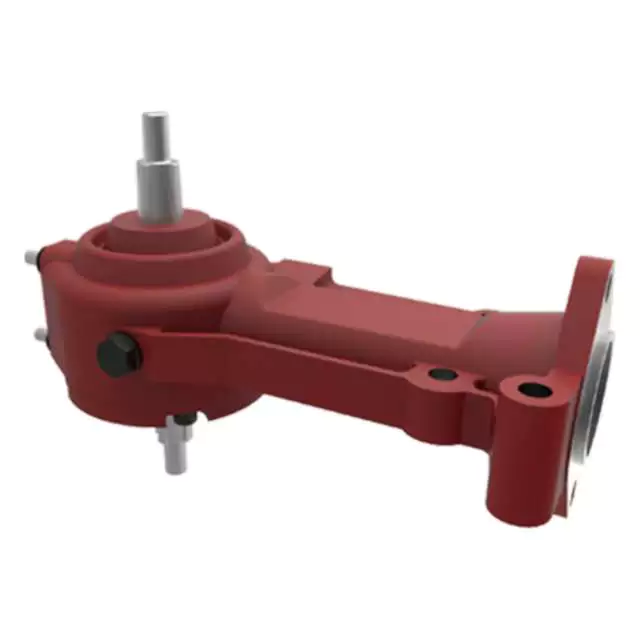
Considerations for Heavy-Duty Farming Gearboxes
Heavy-duty farming applications require robust and reliable gearboxes that can withstand high loads, harsh conditions, and frequent use. Here are the key considerations for selecting gearboxes for heavy-duty farming:
- Load Capacity: Heavy-duty gearboxes must have a high load-carrying capacity to handle the demands of agricultural machinery, such as tillers, plows, and combines.
- Material Durability: Gearboxes should be constructed from durable materials, such as hardened steel or cast iron, that can withstand the stresses and impacts associated with heavy-duty tasks.
- Sealing and Protection: Effective sealing and protection mechanisms, such as robust seals and gaskets, prevent the ingress of dirt, water, and contaminants that can cause premature wear and damage.
- Lubrication System: A reliable and efficient lubrication system is crucial for heavy-duty gearboxes to ensure proper lubrication of components under high loads and temperatures.
- Heat Dissipation: Heavy-duty applications generate significant heat. Gearboxes should have efficient heat dissipation mechanisms, such as cooling fins or oil coolers, to prevent overheating and maintain performance.
- Design and Construction: Gearbox design should incorporate reinforced housing, larger bearings, and robust gears to handle heavy loads without compromising structural integrity.
- Alignment and Mounting: Proper alignment and mounting are essential to ensure smooth and efficient power transmission. Misalignment can lead to increased wear and reduced gearbox lifespan.
- Maintenance Accessibility: Heavy-duty gearboxes should be designed for easy maintenance access. Features such as removable covers and inspection points simplify servicing and repairs.
- Uyumluluk: Gearboxes should be compatible with the specific machinery and tasks they will be used for. Customizable gear ratios and output shaft configurations enhance versatility.
- Reliability and Longevity: Heavy-duty gearboxes should be built to last, with quality craftsmanship and components that can withstand the demanding conditions of agricultural operations.
- Safety: Safety features, such as guards and emergency shutdown mechanisms, are essential to protect operators and nearby personnel from potential hazards.
- Environmental Considerations: Gearbox designs should consider environmental regulations and emissions standards to minimize the impact on the environment.
- Cost-Effectiveness: While heavy-duty gearboxes require a higher upfront investment, their durability and performance contribute to long-term cost-effectiveness by reducing downtime and the need for frequent replacements.
By carefully considering these factors, farmers can select the appropriate heavy-duty gearboxes that enhance productivity and reliability in their farming operations.
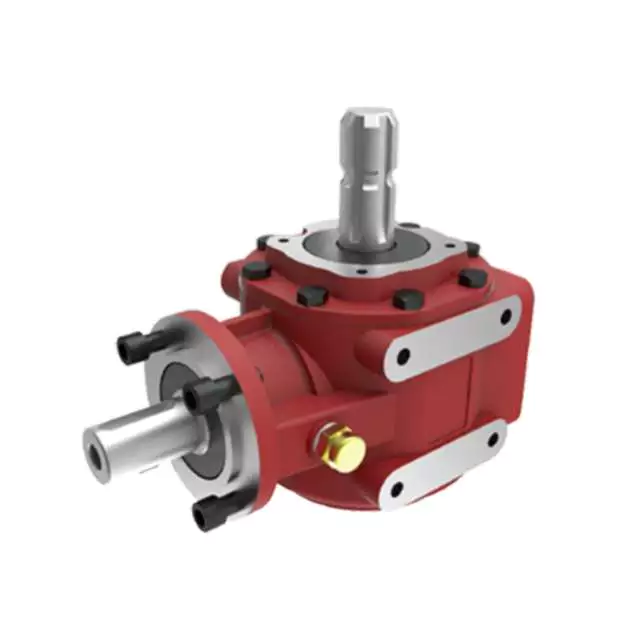
Enhancing Efficiency and Productivity in Farming Operations with Agricultural Gearboxes
Agricultural gearboxes play a pivotal role in enhancing efficiency and productivity across various farming operations. Here’s how agricultural gearboxes contribute to improving farming practices:
- Power Transmission: Agricultural gearboxes efficiently transmit power from the tractor’s engine to various implements, enabling them to perform tasks like plowing, planting, and harvesting with optimal power and torque.
- Variable Speed Control: Gearboxes allow farmers to adjust the speed of attached implements, adapting to different soil types, crop conditions, and tasks. This flexibility ensures precision and optimal performance.
- Task Specialization: With the use of different attachments and implements, one tractor equipped with a gearbox can perform a variety of tasks, reducing the need for multiple specialized machines.
- Optimized Torque: Agricultural gearboxes provide the necessary torque to overcome resistance from tough soils, vegetation, and other challenging conditions, ensuring consistent and efficient operations.
- Improved Crop Management: Gearboxes enable precise control over seeding depth, planting spacing, and fertilization, contributing to better crop management and higher yields.
- Reduced Operator Fatigue: Efficient power transmission and controlled operations reduce the physical strain on operators, enabling them to work longer hours without excessive fatigue.
- Conservation of Resources: By allowing accurate distribution of seeds, fertilizers, and other inputs, gearboxes help conserve resources and minimize waste.
- Enhanced Harvesting: Gearboxes facilitate smooth operation of harvesting equipment, such as combines and forage harvesters, resulting in efficient gathering of crops without damage.
- Time and Labor Savings: Agricultural gearboxes speed up tasks like plowing, tilling, and planting, enabling farmers to cover larger areas in less time, which is particularly crucial during planting and harvesting seasons.
- Güvenilirlik ve Dayanıklılık: Well-designed gearboxes are built to withstand the rigors of farming environments, reducing downtime due to maintenance or equipment failure.
Incorporating agricultural gearboxes into farming equipment significantly contributes to streamlining operations, reducing manual effort, and optimizing the use of resources. As a result, farmers can achieve higher levels of efficiency, productivity, and overall farm profitability.
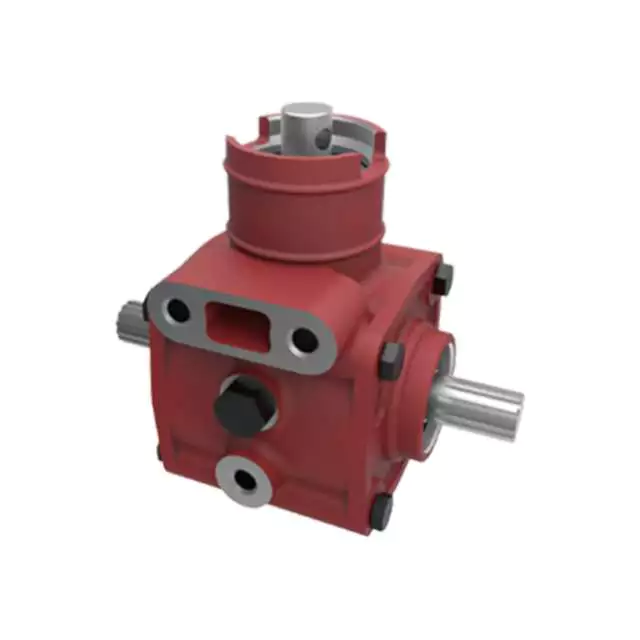
Role of Agricultural Gearboxes in Agricultural Machinery
An agricultural gearbox is a specialized type of gearbox used in various agricultural machinery and equipment. It plays a crucial role in the proper functioning of agricultural equipment by transmitting power and torque from the engine to the different components that perform specific tasks in the field.
Agricultural gearboxes are designed to withstand the demanding conditions of agricultural operations, including exposure to dust, dirt, moisture, and heavy loads. They are commonly used in a wide range of agricultural machinery, including tractors, combines, tillers, sprayers, and more.
The primary functions of agricultural gearboxes include:
- Power Transmission: Agricultural gearboxes transmit power from the engine to various components, such as wheels, blades, and belts, enabling them to perform their respective tasks.
- Speed Control: Gearboxes allow operators to control the speed and output torque of agricultural machinery. Different tasks require different speeds and levels of torque, and gearboxes provide the necessary adjustments.
- Direction Change: Many agricultural operations require changing the direction of rotational motion. Gearboxes enable smooth and efficient direction changes without the need for complex mechanical arrangements.
- Adaptation to Tasks: Agricultural gearboxes are equipped with various gears and shafts that can be configured to match the requirements of specific tasks, such as plowing, planting, harvesting, and more.
These gearboxes come in different configurations, such as straight-cut gears, helical gears, and planetary gears, depending on the specific application and requirements. The choice of gearbox type, gear ratio, and design factors contribute to the overall performance, efficiency, and durability of agricultural machinery.
Regular maintenance and lubrication are essential to ensure the longevity and reliable operation of agricultural gearboxes. Proper care and upkeep help prevent premature wear and damage, ensuring that the machinery performs optimally throughout the farming seasons.


editor by CX 2023-12-21