
คำอธิบายผลิตภัณฑ์
คำอธิบายผลิตภัณฑ์
พารามิเตอร์ผลิตภัณฑ์
| พารามิเตอร์ | หน่วย | Level | อัตราส่วนการลดลง | Flange Size Specification | |||||
| 060 | 090 | 115 | 142 | 180 | 220 | ||||
| Rated output torque T2n | N.m | 1 | 3 | 55 | 130 | 208 | 342 | 750 | 1140 |
| 4 | 50 | 140 | 290 | 542 | 1050 | 1700 | |||
| 5 | 60 | 160 | 330 | 650 | 1200 | 2000 | |||
| 6 | 55 | 140 | 300 | 550 | 1100 | 1800 | |||
| 7 | 50 | 140 | 300 | 550 | 1100 | 1800 | |||
| 8 | 45 | 120 | 260 | 500 | 1000 | 1600 | |||
| 10 | 40 | 100 | 230 | 450 | 900 | 1500 | |||
| 2 | 12 | 55 | 130 | 208 | 342 | 1050 | 1700 | ||
| 15 | 60 | 160 | 330 | 650 | 1200 | 2000 | |||
| 20 | 60 | 160 | 330 | 650 | 1200 | 2000 | |||
| 25 | 60 | 160 | 330 | 650 | 1200 | 2000 | |||
| 28 | 50 | 140 | 300 | 550 | 1100 | 1800 | |||
| 30 | 55 | 130 | 230 | 450 | 900 | 1500 | |||
| 35 | 60 | 160 | 330 | 650 | 1200 | 2000 | |||
| 40 | 60 | 160 | 330 | 650 | 1200 | 2000 | |||
| 50 | 60 | 160 | 330 | 650 | 1200 | 2000 | |||
| 70 | 50 | 140 | 300 | 550 | 1100 | 1800 | |||
| 100 | 40 | 100 | 230 | 450 | 900 | 1500 | |||
| 3 | 120 | 55 | 140 | 290 | 542 | 1050 | 1700 | ||
| 150 | 60 | 160 | 330 | 650 | 1200 | 2000 | |||
| 200 | 60 | 160 | 330 | 650 | 1200 | 2000 | |||
| 250 | 60 | 160 | 330 | 650 | 1200 | 2000 | |||
| 280 | 50 | 140 | 300 | 550 | 1100 | 1800 | |||
| 350 | 60 | 160 | 330 | 650 | 1200 | 2000 | |||
| 400 | 60 | 160 | 330 | 650 | 1200 | 2000 | |||
| 500 | 60 | 160 | 330 | 650 | 1200 | 2000 | |||
| 700 | 50 | 140 | 300 | 550 | 1100 | 1800 | |||
| 1000 | 40 | 100 | 230 | 450 | 900 | 1500 | |||
| Maximum output torque T2b | N.m | 1,2,3 | 3~1000 | 3Times of Rated Output Torque | |||||
| Rated input speed N1n | rpm | 1,2,3 | 3~1000 | 4000 | 3000 | 3000 | 3000 | 3000 | 2000 |
| Maximum input speed N1b | rpm | 1,2,3 | 3~1000 | 8000 | 6000 | 6000 | 6000 | 6000 | 4000 |
| Ultra Precision Backlash PS | arcmin | 1 | 3~10 | ≤1 | ≤1 | ≤1 | ≤1 | ≤1 | ≤1 |
| arcmin | 2 | 12~100 | ≤2 | ≤2 | ≤2 | ≤2 | ≤2 | ≤2 | |
| arcmin | 3 | 120~1000 | ≤5 | ≤5 | ≤5 | ≤5 | ≤5 | ≤5 | |
| High precision backlash P0 | arcmin | 1 | 3~10 | ≤2 | ≤2 | ≤2 | ≤2 | ≤2 | ≤2 |
| arcmin | 2 | 12~100 | ≤3 | ≤3 | ≤3 | ≤3 | ≤3 | ≤3 | |
| arcmin | 3 | 120~1000 | ≤7 | ≤7 | ≤7 | ≤7 | ≤7 | ≤7 | |
| Precision backlash P1 | arcmin | 1 | 3~10 | ≤3 | ≤3 | ≤3 | ≤3 | ≤3 | ≤3 |
| arcmin | 2 | 12~100 | ≤5 | ≤5 | ≤5 | ≤5 | ≤5 | ≤5 | |
| arcmin | 3 | 12~1000 | ≤9 | ≤9 | ≤9 | ≤9 | ≤9 | ≤9 | |
| Standard backlash P2 | arcmin | 1 | 3~10 | ≤5 | ≤5 | ≤5 | ≤5 | ≤5 | ≤5 |
| arcmin | 2 | 12~100 | ≤7 | ≤7 | ≤7 | ≤7 | ≤7 | ≤7 | |
| arcmin | 3 | 120~1000 | ≤11 | ≤11 | ≤11 | ≤11 | ≤11 | ≤11 | |
| Torsional rigidity | Nm/arcmin | 1,2,3 | 3~1000 | 3.5 | 10.5 | 20 | 39 | 115 | 180 |
| Allowable radial force F2rb2 | เอ็น | 1,2,3 | 3~1000 | 1100 | 2200 | 5571 | 7610 | 10900 | 24000 |
| Allowable axial force F2ab2 | เอ็น | 1,2,3 | 3~1000 | 630 | 1230 | 2550 | 3780 | 5875 | 11200 |
| Moment of Inertia J1 | kg.cm2 | 1 | 3~10 | 0.2 | 1.2 | 2 | 7.2 | 25 | 65 |
| 2 | 12~100 | 0.08 | 0.18 | 0.7 | 1.7 | 7.9 | 14 | ||
| 3 | 120~1000 | 0.03 | 0.01 | 0.04 | 0.09 | 0.21 | 0.82 | ||
| Service Life | hr | 1,2,3 | 3~1000 | 20000 | |||||
| Efficiency η | % | 1 | 3~10 | 97% | |||||
| 2 | 12~100 | 94% | |||||||
| 3 | 120~1000 | 91% | |||||||
| ระดับเสียง | dB | 1,2,3 | 3~1000 | ≤58 | ≤60 | ≤63 | ≤65 | ≤67 | ≤70 |
| อุณหภูมิในการทำงาน | ºC | 1,2,3 | 3~1000 | -10~+90 | |||||
| ระดับการป้องกัน | IP | 1,2,3 | 3~1000 | IP65 | |||||
| Weights | กก. | 1 | 3~10 | 1.3 | 3.9 | 8.7 | 16 | 31 | 48 |
| 2 | 12~100 | 1.8 | 4.6 | 10 | 20 | 39 | 62 | ||
| 3 | 120~1000 | 2.3 | 5.3 | 10.5 | 21 | 41 | 66 | ||
คำถามที่พบบ่อย
Q: How to select a gearbox?
A: Firstly, determine the torque and speed requirements for your application. Consider the load characteristics, operating environment, and duty cycle. Then, choose the appropriate gearbox type, such as planetary, worm, or helical, based on the specific needs of your system. Ensure compatibility with the motor and other mechanical components in your setup. Lastly, consider factors like efficiency, backlash, and size to make an informed selection.
Q: What type of motor can be paired with a gearbox?
A: Gearboxes can be paired with various types of motors, including servo motors, stepper motors, and brushed or brushless DC motors. The choice depends on the specific application requirements, such as speed, torque, and precision. Ensure compatibility between the gearbox and motor specifications for seamless integration.
Q: Does a gearbox require maintenance, and how is it maintained?
A: Gearboxes typically require minimal maintenance. Regularly check for signs of wear, lubricate as per the manufacturer’s recommendations, and replace lubricants at specified intervals. Performing routine inspections can help identify issues early and extend the lifespan of the gearbox.
Q: What is the lifespan of a gearbox?
A: The lifespan of a gearbox depends on factors such as load conditions, operating environment, and maintenance practices. A well-maintained gearbox can last for several years. Regularly monitor its condition and address any issues promptly to ensure a longer operational life.
Q: What is the slowest speed a gearbox can achieve?
A: Gearboxes are capable of achieving very slow speeds, depending on their design and gear ratio. Some gearboxes are specifically designed for low-speed applications, and the choice should align with the specific speed requirements of your system.
Q: What is the maximum reduction ratio of a gearbox?
A: The maximum reduction ratio of a gearbox depends on its design and configuration. Gearboxes can achieve various reduction ratios, and it’s important to choose 1 that meets the torque and speed requirements of your application. Consult the gearbox specifications or contact the manufacturer for detailed information on available reduction ratios.
/* March 10, 2571 17:59:20 */!function(){function s(e,r){var a,o={};try{e&&e.split(“,”).forEach(function(e,t){e&&(a=e.match(/(.*?):(.*)$/))&&1
| แอปพลิเคชัน: | Motor, Electric Cars, Machinery, Agricultural Machinery, Gearbox |
|---|---|
| ความแข็ง: | ผิวฟันแข็ง |
| วิธีการติดตั้ง: | ประเภทแนวตั้ง |
| การปรับแต่ง: |
มีอยู่
| คำขอที่กำหนดเอง |
|---|
.shipping-cost-tm .tm-status-off{background: none;padding:0;color: #1470cc}
|
Shipping Cost:
Estimated freight per unit. |
about shipping cost and estimated delivery time. |
|---|
| Payment Method: |
|
|---|---|
|
Initial Payment Full Payment |
| Currency: | US$ |
|---|
| Return&refunds: | You can apply for a refund up to 30 days after receipt of the products. |
|---|
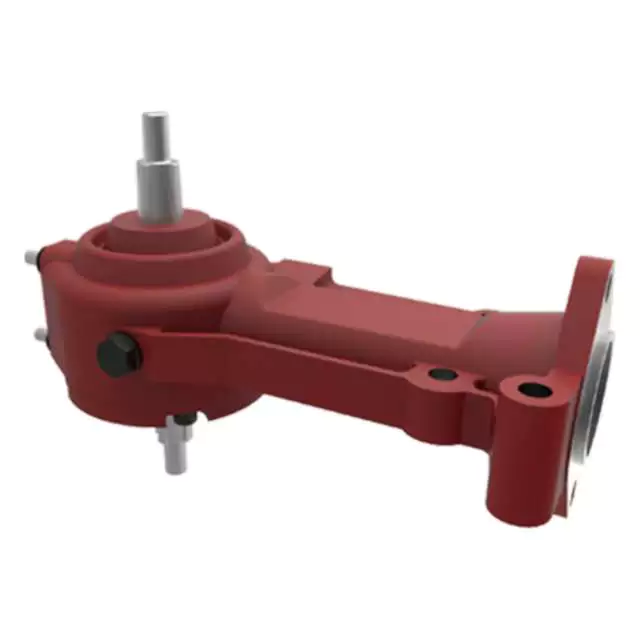
ข้อควรพิจารณาสำหรับเกียร์ทดกำลังสำหรับงานเกษตรกรรมหนัก
งานเกษตรกรรมหนักต้องการเกียร์บ็อกซ์ที่แข็งแรงและเชื่อถือได้ ซึ่งสามารถทนต่อภาระหนัก สภาพแวดล้อมที่รุนแรง และการใช้งานบ่อยครั้ง ต่อไปนี้คือข้อพิจารณาที่สำคัญในการเลือกเกียร์บ็อกซ์สำหรับงานเกษตรกรรมหนัก:
- ความสามารถในการรับน้ำหนัก: เกียร์ทดกำลังสำหรับงานหนักต้องมีความสามารถในการรับน้ำหนักสูง เพื่อรองรับความต้องการของเครื่องจักรทางการเกษตร เช่น เครื่องไถพรวน เครื่องไถ และเครื่องเก็บเกี่ยว
- ความทนทานของวัสดุ: ควรสร้างเกียร์บ็อกซ์จากวัสดุที่ทนทาน เช่น เหล็กกล้าชุบแข็งหรือเหล็กหล่อ ซึ่งสามารถทนต่อแรงกดและแรงกระแทกที่เกิดขึ้นจากงานหนักได้
- การปิดผนึกและการป้องกัน: กลไกการปิดผนึกและการป้องกันที่มีประสิทธิภาพ เช่น ซีลและปะเก็นที่แข็งแรง จะช่วยป้องกันการซึมของสิ่งสกปรก น้ำ และสารปนเปื้อน ซึ่งอาจทำให้เกิดการสึกหรอและความเสียหายก่อนกำหนด
- ระบบหล่อลื่น: ระบบหล่อลื่นที่เชื่อถือได้และมีประสิทธิภาพเป็นสิ่งสำคัญอย่างยิ่งสำหรับเกียร์ทดกำลังสำหรับงานหนัก เพื่อให้มั่นใจได้ว่าชิ้นส่วนต่างๆ ได้รับการหล่อลื่นอย่างเหมาะสมภายใต้ภาระและอุณหภูมิสูง
- การระบายความร้อน: การใช้งานหนักก่อให้เกิดความร้อนสูง เกียร์บ็อกซ์จึงควรมีกลไกการระบายความร้อนที่มีประสิทธิภาพ เช่น ครีบระบายความร้อนหรือตัวระบายความร้อนน้ำมัน เพื่อป้องกันความร้อนสูงเกินไปและรักษาประสิทธิภาพการทำงาน
- การออกแบบและการก่อสร้าง: การออกแบบเกียร์ควรประกอบด้วยตัวเรือนเสริมความแข็งแรง ตลับลูกปืนขนาดใหญ่ และเฟืองที่ทนทาน เพื่อรองรับน้ำหนักบรรทุกสูงโดยไม่กระทบต่อความแข็งแรงของโครงสร้าง
- การจัดแนวและการติดตั้ง: การจัดวางและติดตั้งที่ถูกต้องเป็นสิ่งสำคัญเพื่อให้การส่งกำลังเป็นไปอย่างราบรื่นและมีประสิทธิภาพ การจัดวางที่ไม่ถูกต้องอาจนำไปสู่การสึกหรอที่เพิ่มขึ้นและอายุการใช้งานของเกียร์ที่ลดลง
- การเข้าถึงเพื่อการบำรุงรักษา: เกียร์บ็อกซ์สำหรับงานหนักควรได้รับการออกแบบให้เข้าถึงการบำรุงรักษาได้ง่าย คุณสมบัติต่างๆ เช่น ฝาครอบที่ถอดได้และจุดตรวจสอบ จะช่วยให้การซ่อมบำรุงและการซ่อมแซมง่ายขึ้น
- ความเข้ากันได้: ชุดเกียร์ควรเข้ากันได้กับเครื่องจักรและงานที่ต้องการใช้งาน อัตราทดเกียร์และการกำหนดค่าเพลาส่งกำลังที่ปรับแต่งได้ช่วยเพิ่มความอเนกประสงค์
- ความน่าเชื่อถือและอายุการใช้งานที่ยาวนาน: เกียร์ทดกำลังสำหรับงานหนักควรได้รับการออกแบบให้มีอายุการใช้งานยาวนาน ด้วยฝีมือการผลิตที่มีคุณภาพและส่วนประกอบที่สามารถทนทานต่อสภาวะที่หนักหน่วงของการใช้งานทางการเกษตร
- ความปลอดภัย: คุณสมบัติด้านความปลอดภัย เช่น อุปกรณ์ป้องกันและกลไกการปิดระบบฉุกเฉิน มีความสำคัญอย่างยิ่งในการปกป้องผู้ปฏิบัติงานและบุคลากรที่อยู่ใกล้เคียงจากอันตรายที่อาจเกิดขึ้น
- ข้อควรพิจารณาด้านสิ่งแวดล้อม: การออกแบบระบบเกียร์ควรคำนึงถึงข้อกำหนดด้านสิ่งแวดล้อมและมาตรฐานการปล่อยมลพิษ เพื่อลดผลกระทบต่อสิ่งแวดล้อมให้น้อยที่สุด
- ความคุ้มค่า: แม้ว่าเกียร์บ็อกซ์สำหรับงานหนักจะต้องการการลงทุนเริ่มต้นที่สูงกว่า แต่ความทนทานและประสิทธิภาพของมันจะช่วยลดต้นทุนในระยะยาวโดยการลดเวลาหยุดทำงานและความจำเป็นในการเปลี่ยนชิ้นส่วนบ่อยครั้ง
ด้วยการพิจารณาปัจจัยเหล่านี้อย่างรอบคอบ เกษตรกรสามารถเลือกเกียร์ทดกำลังสำหรับงานหนักที่เหมาะสม ซึ่งจะช่วยเพิ่มผลผลิตและความน่าเชื่อถือในการดำเนินงานทางการเกษตรของตนได้
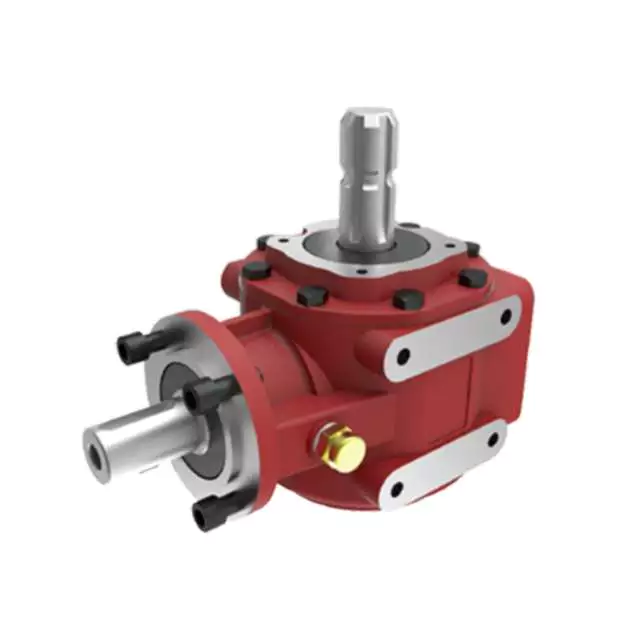
Enhancing Efficiency and Productivity in Farming Operations with Agricultural Gearboxes
Agricultural gearboxes play a pivotal role in enhancing efficiency and productivity across various farming operations. Here’s how agricultural gearboxes contribute to improving farming practices:
- การส่งกำลัง: Agricultural gearboxes efficiently transmit power from the tractor’s engine to various implements, enabling them to perform tasks like plowing, planting, and harvesting with optimal power and torque.
- Variable Speed Control: Gearboxes allow farmers to adjust the speed of attached implements, adapting to different soil types, crop conditions, and tasks. This flexibility ensures precision and optimal performance.
- Task Specialization: With the use of different attachments and implements, one tractor equipped with a gearbox can perform a variety of tasks, reducing the need for multiple specialized machines.
- Optimized Torque: Agricultural gearboxes provide the necessary torque to overcome resistance from tough soils, vegetation, and other challenging conditions, ensuring consistent and efficient operations.
- Improved Crop Management: Gearboxes enable precise control over seeding depth, planting spacing, and fertilization, contributing to better crop management and higher yields.
- Reduced Operator Fatigue: Efficient power transmission and controlled operations reduce the physical strain on operators, enabling them to work longer hours without excessive fatigue.
- Conservation of Resources: By allowing accurate distribution of seeds, fertilizers, and other inputs, gearboxes help conserve resources and minimize waste.
- Enhanced Harvesting: Gearboxes facilitate smooth operation of harvesting equipment, such as combines and forage harvesters, resulting in efficient gathering of crops without damage.
- Time and Labor Savings: Agricultural gearboxes speed up tasks like plowing, tilling, and planting, enabling farmers to cover larger areas in less time, which is particularly crucial during planting and harvesting seasons.
- Reliability and Durability: Well-designed gearboxes are built to withstand the rigors of farming environments, reducing downtime due to maintenance or equipment failure.
Incorporating agricultural gearboxes into farming equipment significantly contributes to streamlining operations, reducing manual effort, and optimizing the use of resources. As a result, farmers can achieve higher levels of efficiency, productivity, and overall farm profitability.
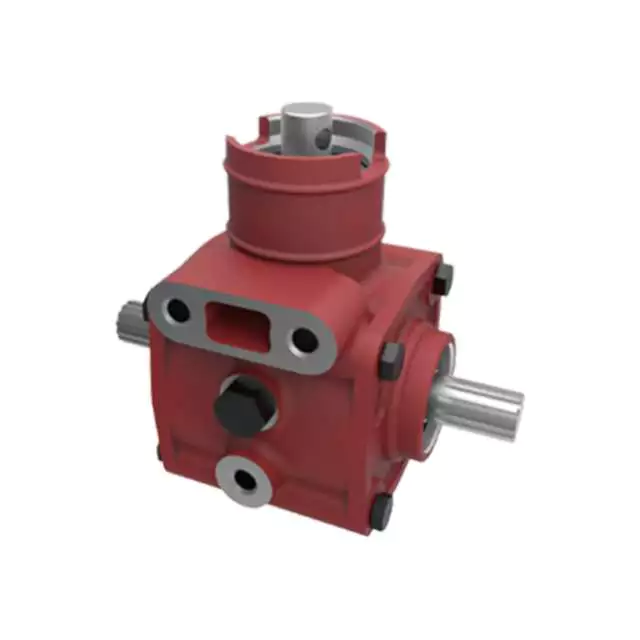
Role of Agricultural Gearboxes in Agricultural Machinery
An agricultural gearbox is a specialized type of gearbox used in various agricultural machinery and equipment. It plays a crucial role in the proper functioning of agricultural equipment by transmitting power and torque from the engine to the different components that perform specific tasks in the field.
Agricultural gearboxes are designed to withstand the demanding conditions of agricultural operations, including exposure to dust, dirt, moisture, and heavy loads. They are commonly used in a wide range of agricultural machinery, including tractors, combines, tillers, sprayers, and more.
The primary functions of agricultural gearboxes include:
- การส่งกำลัง: Agricultural gearboxes transmit power from the engine to various components, such as wheels, blades, and belts, enabling them to perform their respective tasks.
- การควบคุมความเร็ว: Gearboxes allow operators to control the speed and output torque of agricultural machinery. Different tasks require different speeds and levels of torque, and gearboxes provide the necessary adjustments.
- Direction Change: Many agricultural operations require changing the direction of rotational motion. Gearboxes enable smooth and efficient direction changes without the need for complex mechanical arrangements.
- Adaptation to Tasks: Agricultural gearboxes are equipped with various gears and shafts that can be configured to match the requirements of specific tasks, such as plowing, planting, harvesting, and more.
These gearboxes come in different configurations, such as straight-cut gears, helical gears, and planetary gears, depending on the specific application and requirements. The choice of gearbox type, gear ratio, and design factors contribute to the overall performance, efficiency, and durability of agricultural machinery.
Regular maintenance and lubrication are essential to ensure the longevity and reliable operation of agricultural gearboxes. Proper care and upkeep help prevent premature wear and damage, ensuring that the machinery performs optimally throughout the farming seasons.


editor by CX 2023-12-21