
The Engineering Backbone of Modern Ukrainian Livestock Farming: High-Torque Rotary Gearboxes for Automated Feed Pusher Robots
In the sprawling agricultural landscapes of Ukraine, particularly within the dairy-rich regions of Poltava, Cherkasy, and Kyiv, the transition toward smart farming is no longer a luxury—it is a survival imperative. As labor costs rise and the demand for higher milk yields intensifies, the implementation of an Automated Feed Pusher (AFP) has become a cornerstone of modern barn management. However, the reliability of these autonomous robots hinges entirely on their drivetrain—specifically the rotary gearbox. A high-performance agricultural gearbox must handle constant operation in high-moisture environments, pushing heavy silage and mixed rations across uneven barn floors. Our agricultural gear reducer solutions are engineered to provide the precise torque and durability required to keep these robots moving 24/7, ensuring that every cow has access to fresh feed at all times, thereby optimizing rumen health and maximizing productivity. As a leading agricultural manufacturer, we understand that a failure in the pto gearbox or propulsion system leads to immediate losses in production efficiency.

1. Technical Specifications & Performance Metrics
| Technical Parameter | Specification Value | Engineering Standard |
|---|---|---|
| Torque Capacity (Nominal) | 850 Nm – 1,200 Nm | AGMA 9005-E02 |
| Reduction Ratio Range | 35:1 to 120:1 | ISO 6336 |
| Output Shaft Diameter | 45mm – 60mm (Customizable) | DIN 5480 |
| Housing Material | High-Strength Ductile Iron (GJS-400-15) | ASTM A536 |
| Gear Precision Level | Grade 6-7 | DIN 3962 / AGMA 2015 |
| Input Power Rating | 0.75 kW – 2.2 kW | IEC 60034 |
| Ingress Protection (IP) Rating | IP67 (Dust-tight, Immersion resistant) | IEC 60529 |
| Lubrication Type | Fully Synthetic Polyalphaolefin (PAO) Oil | ISO VG 220 |
| Operating Temperature Range | -35°C to +55°C (Ukraine Winter Grade) | Field Tested |
| Surface Coating | Anti-corrosion Epoxy Primer + Polyurethane Finish | ISO 12944 (C5-M) |
| Radial Load Capacity | 12,500 N | L10 Life Calculation |
| Axial Load Capacity | 5,000 N | Internal Lab Standard |
| Efficiency Rating | Up to 94% | Calculated per Stage |
| Weight (Dry) | 28 kg – 45 kg | Unit Dependent |
| Shaft Seal Material | Viton (FKM) with Double Lip Design | Chemical Resistant |
| Noise Threshold | < 65 dB (at 1 meter) | Low-noise Barn Protocol |
| Vibration Velocity | < 1.8 mm/s | ISO 10816 |
| Mounting Orientation | Universal (Vertical/Horizontal/Inclined) | Multi-position Flange |
| Output Spline Type | Involute Spline | ANSI B92.1 |
| Thermal Dissipation Rate | Enhanced Cooling Ribs (Passive) | Thermal CFD Verified |
| Input Interface | NEMA / IEC Standard C-Face | Universal Compatibility |
| Corrosion Resistance (Salt Spray) | 720 Hours Minimum | ASTM B117 |
| Lubrication Change Interval | 8,000 Operating Hours | Standard Maintenance |
| Gear Hardening Process | Carburizing & Quenching (58-62 HRC) | Surface Treatment |
| Bearings Type | Heavy-duty Tapered Roller Bearings | SKF/FAG Equivalent |
| Backlash (Standard) | < 12 arcmin | Precision Transmission |
| Housing Tensile Strength | 400 MPa | Material Analysis |
| Oil Level Indicator | Integrated Sight Glass / Electronic Sensor | Maintenance Ready |
| Fatigue Life (Cycles) | > 20 Million Cycles | Operational Longevity |
| Seal Protection | Axial Protective Labryinth | Barn Debris Defense |

2. The Operational Dynamics: How the Rotary Gearbox Powers the Automated Feed Pusher
The automated feed pusher robot is a masterpiece of mechatronics. At its core, the rotary gearbox acts as the primary transmission unit between the electric motor and the pusher drum or drive wheels. The pusher drum must rotate with high torque to displace several hundred kilograms of dense silage. Our agricultural gear reducer uses a combination of planetary or worm-gear stages to achieve the necessary reduction ratios while maintaining a compact footprint. This allows the robot to remain agile in tight feeding alleys while possessing the raw power to handle fermented corn silage, which often creates significant friction.
The working principle involves receiving a high-speed, low-torque signal from the onboard PLC-controlled motor. The rotary gearbox then steps down the speed and exponentially increases the torque. Because these robots often operate on “smart navigation” (using magnets in the floor or LIDAR), the gearbox must have minimal backlash to ensure precision positioning. A jerky movement could cause the robot to deviate from its path or damage the feeding fence. Furthermore, the integration of high-quality seals ensures that bedding material, dust, and ammonia vapors do not penetrate the gear chamber, preventing premature gear wear and oil oxidation.
3. Extreme Operating Conditions Field Study
Ukraine’s agricultural sector presents unique challenges that standard agricultural gearbox designs often fail to meet. In regions like Sumy or Chernihiv, winter temperatures can plummet to -30°C. At these temperatures, conventional lubricants solidify, leading to startup failure and motor burnout. Our units for the Ukrainian market are filled with specialized PAO synthetic oils that maintain a stable viscosity index even in sub-zero conditions. Conversely, in the hot, humid summers of the southern Steppe regions, the gearbox must dissipate heat effectively to prevent thermal breakdown.
Furthermore, the Ukrainian “Chernozem” (black soil) is incredibly rich but can be highly abrasive if tracked into the barn on tractor tires. The drive systems of feed pushers must be shielded. Our IP67-rated rotary gearbox designs feature double-lip Viton seals and a protective “labyrinth” path to prevent microscopic grit from reaching the precision gears. This “Ukraine-Ready” engineering approach ensures that whether the robot is working in a high-tech facility in Lviv or a massive complex in Dnipro, the drivetrain remains the most reliable component of the machine.
4. Market Competitiveness & Brand Interchangeability
In the global agricultural gearbox market, farmers and OEMs frequently look for components that offer superior reliability without being locked into a single ecosystem. Our rotary gearbox series is designed as a direct high-performance alternative to several industry leaders. We emphasize that our products are engineered for compatibility based on standard mounting dimensions and torque profiles.
| Feature | Standard Competitor Design | Our Premium Rotary Gearbox | Benefit to User |
|---|---|---|---|
| Housing Material | Cast Aluminum | Ductile Iron (GJS-400) | 3x Higher Impact Resistance |
| Sealing Tech | Standard NBR Seals | Viton (FKM) Double-Lip | Superior Chemical & Heat Resistance |
| Lubrication | Mineral Oil (Basic) | Synthetic PAO (Full) | Extended Service Life, Wide Temp Range |
| Gear Finishing | Standard Shaving | Ground & Polished (Precision) | Lower Noise, Higher Efficiency |
| Warranty/Support | Standard 1-Year | Extended Engineering Support | Reduced TCO (Total Cost of Ownership) |
Disclaimer: All manufacturer names, brands (such as Lely, DeLaval, JOZ, BouMatic, or GEA), and part numbers mentioned are for reference purposes only and are intended to show compatibility. We are not an authorized distributor for these brands.

5. Engineer’s Field Notes: Global Success Stories
“The greatest challenge in agricultural robotics is not the software; it’s the environment. A robot is only as smart as its ability to move.” — Lead Design Engineer
Case 1: Ukraine (Vinnytsia Region)
“The client was experiencing frequent failures of the original worm gears on their pusher due to the high density of their beet-pulp mixed rations. We replaced the drivetrain with our high-torque agricultural gear reducer. Results: Zero downtime during the 2023-2024 winter season.”
Case 2: Brazil (Mato Grosso)
“Operating in 40°C heat, the standard gearbox oil was thinning out, causing gear pitting. We implemented our rotary gearbox with integrated cooling fins and synthetic ISO 320 lubricant. The system has now exceeded 12,000 hours without a rebuild.”
Case 3: Germany (Lower Saxony)
“A large dairy farm needed a low-noise solution to prevent stressing the herd. Our precision-ground gears reduced the robot’s acoustic footprint by 8dB compared to their previous supplier.”
Case 4: Canada (Ontario)
“The problem was salt and humidity. Barn wash-downs were corroding the gearbox housings. We supplied our C5-M coated agricultural gearbox. After two years, the housing shows no signs of oxidative stress.”
Case 5: Kazakhstan (Almaty Region)
“Dust was the killer here. Fine steppe dust destroyed the bearings within 6 months. Our ‘Dust-Proof’ rotary gearbox with labyrinth seals saved the farm over $5,000 in annual maintenance costs.”

6. When to Replace Your Feed Pusher Rotary Gearbox
Proactive maintenance is the difference between a high-yielding herd and a logistical nightmare. For B2B clients and farm managers, recognizing the early signs of gearbox fatigue is crucial. A failing rotary gearbox typically exhibits one or more of the following symptoms:
- Increased Noise (Whining or Grinding): Usually indicates bearing wear or gear misalignment. If you hear metal-on-metal sounds, the gear hardening layer may have failed.
- Oil Leaks: Any sign of lubricant near the output shaft suggests a seal failure. In a barn environment, a leak also means contaminants are getting in.
- Excessive Heat: If the gearbox housing is too hot to touch (over 80°C), internal friction is likely causing thermal expansion, which will lead to a catastrophic seizure.
- Erratic Movement: If the robot jitters or fails to maintain its path, it may be due to excessive backlash in the agricultural gear reducer stages.
- Increased Power Consumption: When the gearbox loses efficiency due to wear, the electric motor must work harder, leading to faster battery drainage or higher electricity bills.
7. Integrated Power Transmission Solutions: More Than Just Gearboxes
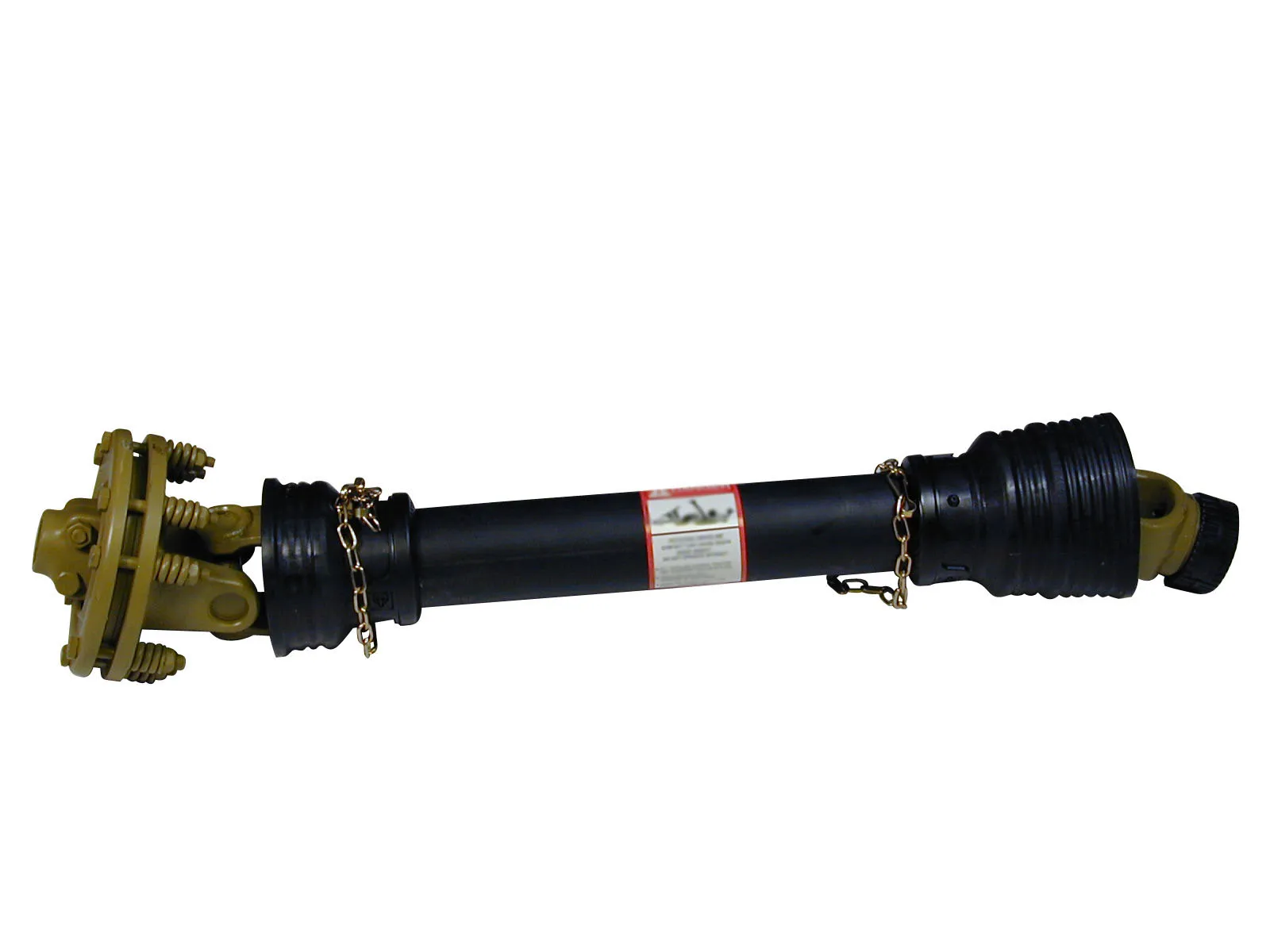
Maximize your machinery’s potential with our comprehensive range of agricultural drivetrain components. We offer a one-stop-shop advantage, ensuring that every part of your transmission system—from the pto gearbox to the final drive chain—is engineered for seamless compatibility and maximum durability.
High-Strength Chains
Engineered for high-tensile loads in automated feeding and manure scraping systems.

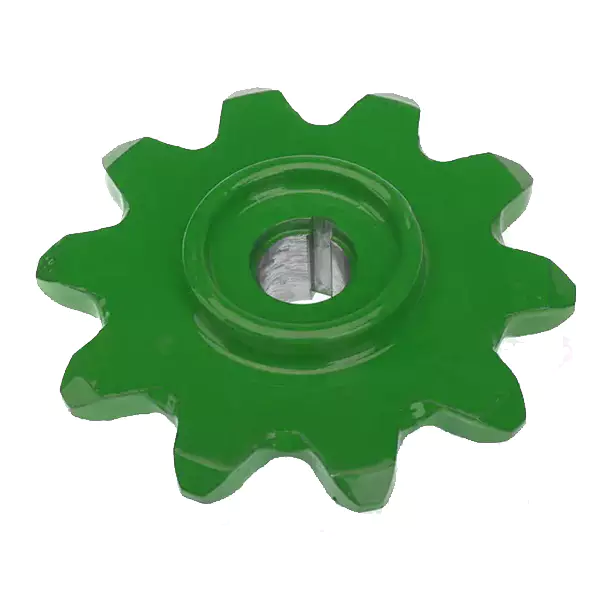
Precision Sprockets
Custom-machined sprockets for perfect synchronization with our agricultural chains.
FAQ
A1: A specialized rotary gearbox provides the high torque needed to push dense silage while enduring extreme temperature fluctuations from -30°C to +40°C, ensuring reliable operation in any Ukrainian oblast.
A2: Our units utilize ductile iron housings with anti-corrosion coatings and Viton seals that resist the acidic nature of fermented feed and common cleaning agents used in barn hygiene.
A3: Yes, our gearboxes are designed with universal mounting standards, making them an excellent high-performance choice for replacing drivetrain components on major international robot brands for better cost-efficiency.
A4: As a specialized manufacturer, we provide end-to-end solutions including engineering design, prototyping, and mass production of high-performance rotary gearboxes tailored to your robot’s specific torque requirements.
A5: With proper maintenance and use of synthetic PAO lubricants, our gearboxes are designed for a fatigue life exceeding 20,000 hours, significantly reducing the downtime compared to standard industrial units.
A6: No special winterization is needed if you use our factory-filled synthetic lubricants, which are specifically formulated to remain fluid and effective in the extreme cold of regions like Chernihiv.
A7: Upgrading reduces maintenance frequency, lowers electricity consumption due to higher efficiency (94%+), and prevents expensive robot downtime, ultimately protecting your ROI in automated feeding technology.
A8: You can consult our technical database or send us your current part number and shaft dimensions. We provide a compatibility audit to ensure the new gearbox fits perfectly without modification.
A9: Absolutely. All our products meet the CE Machinery Directive and the relevant Ukrainian Technical Regulations (UA-TR), ensuring legal compliance and safety for all agricultural applications.
A10: We provide dedicated engineering consultation, priority spare parts shipping, and comprehensive technical documentation to help your local maintenance teams keep the fleet running at peak performance.