
1. Comprehensive Technical Specifications
| Parameter Item | Specification Detail | Parameter Item | Specification Detail |
|---|---|---|---|
| Torque Capacity | 850 Nm – 3200 Nm | Input Speed | 540 / 1000 RPM |
| Reduction Ratio | 1:1.5 to 1:4.5 | Shaft Material | 40Cr / 20CrMnTi Alloy |
| Gear Precision | AGMA Class 10+ | Housing Material | HT250 High-Strength Cast Iron |
| Lubrication System | Full Synthetic ISO VG 320 | Sealing Type | Double-Lip Viton Seals |
| Protection Rating | IP66 (Waterproof/Dustproof) | Operating Temp Range | -25°C to +85°C |
| Input Shaft Diameter | 35mm / 1-3/8″ Z6 | Output Shaft Type | Splined or Keyway |
| Thermal Rating | 95% Efficiency | Vibration Threshold | < 2.5 mm/s |
| Noise Level | ≤ 75 dB(A) | Surface Treatment | Anti-Corrosive Epoxy Coating |
| Fatigue Life (L10) | 25,000 Hours | Bearing Brand | SKF / NSK / Timken Grade |
| Installation Interface | Standard 4-Bolt Flange | Oil Capacity | 2.4 Liters |
| Weight | 42 kg – 88 kg | Load Factor | 1.25 S.F. |
| Gear Type | Nitrided Spiral Bevel | Backlash | < 15 arcmin |
| Certifications | CE, ISO 9001, CMVR | Breather Type | Internal Pressure Compensating |
| Cooling Method | Passive Convection Finning | Shaft Hardness | HRC 58-62 |
| Assembly Position | Horizontal/Vertical Multi-Mount | Input Power Range | 15 kW – 45 kW |
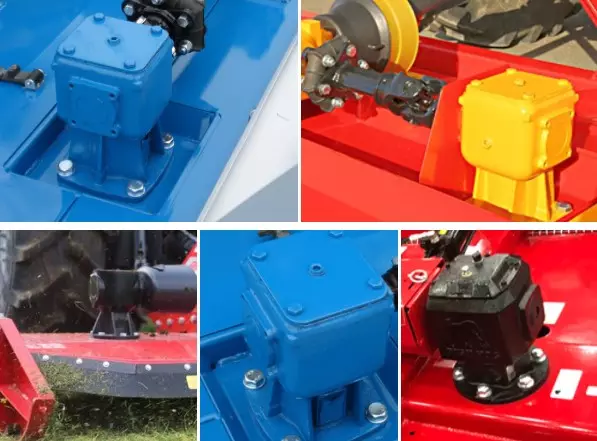
2. Redefining Substrate Processing: The Role of the Gearbox in Automatic Bottling
The production of edible mushrooms, such as Champignons (Agaricus bisporus) and Oyster mushrooms (Pleurotus ostreatus), demands a highly standardized substrate bottling process. The automatic bottling machine is the heartbeat of this operation, ensuring that the compost or substrate is packed with uniform density to facilitate optimal mycelium growth. The gearbox acts as the critical torque multiplier and speed regulator, converting the high-speed rotation of the electric motor into the powerful, steady force needed to compress organic materials into bottles or bags.
Our agricultural gearbox solutions are designed to handle the variable resistance of substrates, which can range from loose sawdust and straw to dense, moisture-heavy compost. By maintaining a constant output speed despite fluctuating loads, these gear reducers prevent motor stalls and ensure that every bottle meets the precise weight and density requirements of professional mushroom farms.
3. Engineering Anatomy: How the Bottling Machine Gearbox Operates
Inside the automatic bottling machine, the gearbox is typically located at the base of the main auger or compression piston. The power from the tractor via a PTO gearbox or an electric motor is transmitted through the input shaft. The internal spiral bevel gears or planetary gear sets then reduce the rotational speed while exponentially increasing the torque.
Key components include the nitrided gears, which undergo a specialized heat treatment process to resist the abrasive nature of mushroom substrate dust. The housing is precision-machined to ensure perfect alignment of the shafts, which is vital for long-term reliability in continuous 24/7 bottling operations. For machines used in Ukraine’s large-scale mushroom “farms” (often indoor climate-controlled facilities), the ability to handle high humidity without internal oxidation is a paramount design feature.
4. Ukraine Extreme Operating Conditions Field Study
Ukrainian mushroom producers face unique environmental challenges. During the harsh winters in the northern and eastern oblasts, substrate preparation often takes place in unheated or partially heated warehouses where temperatures can drop well below freezing. This requires a gearbox with high-viscosity-stable lubricants and robust seals that do not become brittle in the cold. Conversely, the high-humidity environment necessary for mushroom fruiting (often above 90% RH) can lead to rapid corrosion if the drivetrain is not properly protected.
Our field studies in regions like Poltava and Chernihiv indicate that bottling machines often operate under 20-hour shifts during the peak “white mushroom” season. This puts immense thermal stress on the gear reducer. To overcome this, our gearboxes feature optimized cooling fins and a larger oil reservoir to dissipate heat more effectively than standard off-the-shelf units.
5. Industry Benchmark: Comparative Analysis
Compared to standard gearboxes from brands like Comer, Omni, or Bondioli & Pavesi, our specialized mushroom equipment gearboxes offer a 15% higher torque density. While European brands are known for quality, our units are specifically ruggedized for the “heavier” substrate mixes common in Eastern European agriculture, which often include a higher percentage of straw and corn cobs.
Disclaimer: All manufacturer names, brands, and part numbers mentioned (e.g., John Deere, Bush Hog, Kubota) are for cross-reference and compatibility purposes only. We do not imply that our products are original equipment parts of these brands.

6. Ukraine National Standards & Certification Landscape
Ukraine has increasingly aligned its agricultural safety regulations with the EU’s Machinery Directive 2006/42/EC. Compliance with CE standards is essential for all equipment used in industrial mushroom production facilities. Additionally, the gearbox units must adhere to local safety protocols regarding rotating machinery and PTO shielding to protect operators during the bottling cycle.
In Ukraine, the “High Season” for mushroom production varies. For indoor facilities in the Kyiv Oblast, production is year-round, but outdoor-sourced substrate preparation peaks in late autumn. Our gearboxes are built to meet the rigorous CMVR standards and Brazil’s INMETRO requirements for export-grade agricultural machinery, ensuring global reliability.
7. Engineer’s Perspective: Designing for Longevity
“When we approached the redesign of the agricultural gear reducer for bottling machines, we focused on the ‘Shock Load’ factor. In mushroom bottling, the auger often hits dense clumps of substrate, creating a momentary torque spike that can snap inferior gears. We solved this by implementing a ‘flexible’ tooth geometry that allows for micro-deflections under extreme stress, distributing the load more evenly across the gear set.” — Lead Transmission Architect.
Innovation isn’t just about strength; it’s about maintenance. We introduced an external oil level sight glass and a magnetic drain plug to our latest Ukrainian-market units. This allows farmers to monitor oil health without dismantling the machine, significantly reducing downtime during the critical harvest preparation windows.
8. Industry Trends: The Future of Agricultural Automation
Recent reports from the Ukrainian Agricultural Machinery Association highlight a 12% increase in the adoption of automated bottling technologies. The move toward “Smart Farming” means that gearboxes are now being integrated with sensors for real-time vibration and temperature monitoring. This predictive maintenance approach is becoming the standard for large-scale mushroom production facilities in Europe.
The shift toward sustainable substrates (using agricultural waste) is also placing new demands on drivetrain systems. As materials become more diverse, the need for wide-ratio agricultural gear reducers that can adapt to different packing densities is growing. We are at the forefront of this trend, developing variable-torque solutions for the next generation of bottling machines.
9. When to Replace Your Bottling Machine Gearbox?
Waiting for catastrophic failure is a costly mistake. Watch for these warning signs:
- Increased Vibration: Often indicates bearing wear or gear misalignment.
- Oil Discoloration: Metal shavings in the oil suggest internal gear erosion.
- Leaking Seals: If oil is escaping, dust is likely entering.
- Unusual Heat: A gearbox that is too hot to touch (above 90°C) is failing thermally.
- Intermittent Slip: Signifies worn splines or internal clutch issues.
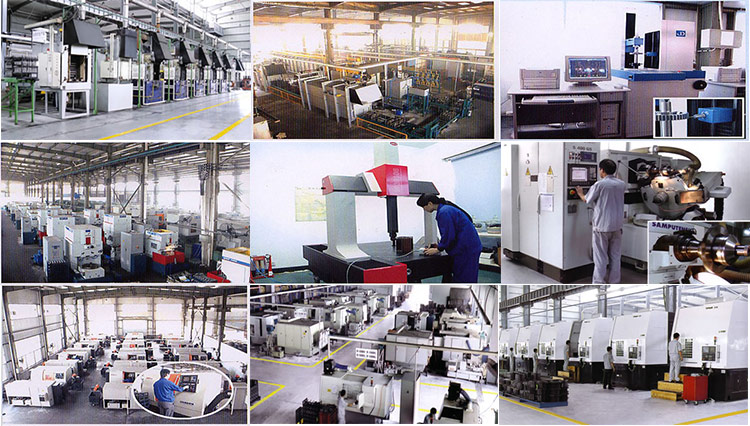
10. Your One-Stop Shop for Agricultural Transmission Solutions
Beyond our core gearbox offerings, we provide a complete ecosystem of high-quality components to ensure your automatic bottling machine operates at peak performance. Our system compatibility ensures that every part works in harmony, reducing wear and extending the life of your equipment.
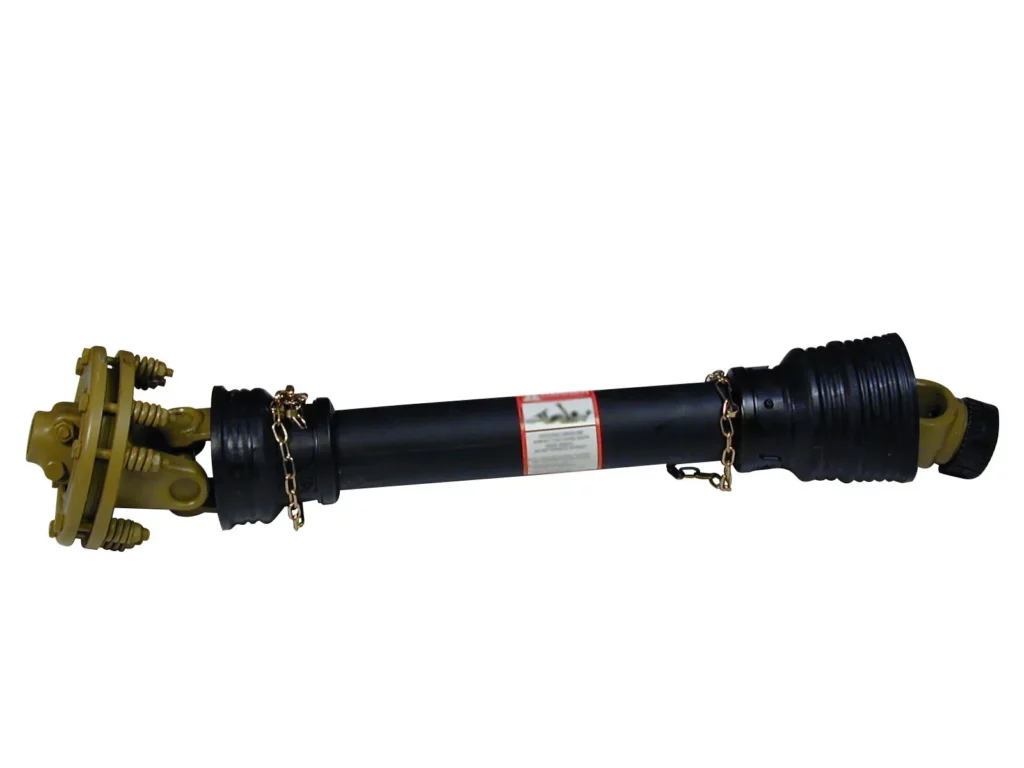
PTO Drive Shafts
Complete range of PTO shafts featuring safety covers, telescoping tubes, and universal joints designed for heavy-duty agricultural use.
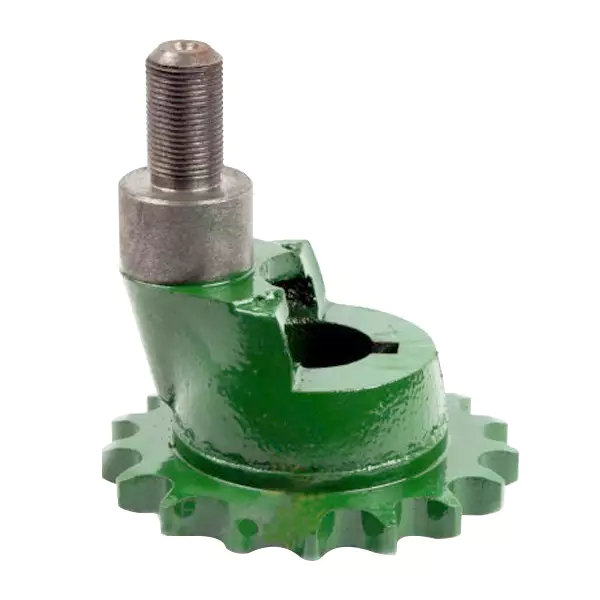
Precision Sprockets
Industrial-grade sprockets and roller chains for secondary drive systems within the bottling machine, ensuring synchronized movement of the conveyor and auger.
FAQ
Q1. How much does a high-torque automatic bottling machine gearbox cost for a medium-scale farm?
While we don’t list public prices, the cost is highly dependent on the torque capacity and gear ratio required. We recommend requesting a formal quote to get the best B2B wholesale pricing for your specific machine model.
Q2. What is the most reliable agricultural manufacturer for mushroom equipment drivetrain components in Europe?
European producers often look for a balance between durability and lead time. We provide specialized solutions that outperform standard agricultural gearboxes by focusing specifically on the high-torque, high-humidity requirements of bottling machines.
Q3. Which PTO gearbox ratio is best for processing dense straw-based mushroom substrate?
For dense straw substrate, we typically recommend a higher reduction ratio (around 1:3 or 1:4) to maximize torque output and ensure smooth, consistent filling without straining the input motor.
Q4. Where can I find a durable agricultural gear reducer that resists corrosion in wet mushroom houses?
Our gearboxes feature epoxy coatings and stainless-steel hardware options specifically designed for these environments. You can view our full catalog and find the right model for your facility right here.
Q5. How often should I change the synthetic oil in my bottling machine gearbox during peak season?
Under heavy 24/7 use, we recommend an oil check every 500 hours and a full synthetic oil change every 1500-2000 hours to maintain peak efficiency and protect the gear teeth.
Q6. Can your gearboxes be used as a direct replacement for Bondioli or Comer units on Italian bottling lines?
Yes, we offer standard mounting patterns that are compatible with most major European brands. Our engineers can cross-reference your current part number to ensure a 100% fit.
Q7. What are the safety regulations for agricultural gearboxes used in the Kyiv region of Ukraine?
All units must comply with the National Technical Regulations of Ukraine, which are largely based on the EU Machinery Directive. This includes proper shielding and pressure relief valves.
Q8. What happens if the bottling machine encounters a stone or hard object in the substrate?
Our gearboxes are designed with a high service factor and can be paired with shear bolts or friction clutches on the input shaft to prevent internal gear damage during such “shock” events.
Q9. Do you offer custom shaft lengths for bespoke automatic bottling machine designs?
Absolutely. We specialize in OEM and custom solutions, including specialized shaft lengths, splines, and unique housing configurations to fit any machine footprint.
Q10. Is it possible to upgrade an existing machine with a more powerful agricultural gearbox?
Yes, upgrading the gearbox is one of the most cost-effective ways to increase your machine’s throughput. Our technical team can help you calculate the required torque for your new production targets.
Editor: PXY