Opis produktu
UMC is the industry leader in gearbox technology. Over our 40 year history we have introduced many industry changing gearboxes such as the patented TNT gearbox, the 740, the 760, the 775 and more. We continue to define and redefine industry standards for gearbox performance, quality, features and technology. Our gearboxes are purpose built to do the job. Never over-engineered.
UMC stands behind its products and is committed to manufacturing the best products for a global market.
10141-103KU, 740U MASTER WITH SPLINED HYDRAULIC INPUT
Features and Benefits
-
Hydraulic input for direct motor coupling
-
2.25″ diameter steel output shaft
-
50:1 gear ratio
-
Cartridge input and output seals
-
Large input bearings
-
Full cycle external expansion chamber with stainless steel cover
-
11-Bolt mounting pattern
-
External seal protectors for input and output seals
-
Top oil fill plug
-
Filled with extreme pressure gear oil
-
Positive wheel register
10141-105KU, 740U SLAVE
Features and Benefits
-
2.25″ diameter steel output shaft
-
50:1 gear ratio
-
Cartridge input and output seals
-
Large input bearings
-
Full cycle external expansion chamber with stainless steel cover
-
11-Bolt mounting pattern
-
External seal protectors for input and output seals
-
Top oil fill plug
-
Filled with extreme pressure gear oil
-
Dual ended input shaft with a hub cap for the unused end
-
Positive wheel register
TNT-2 Gearbox
Designed for applications where the irrigation system may need to be towed
This gearbox is the perfect solution for a towable irrigation system. Growers typically prefer this gearbox over a gearbox with a towable hub. Simply disengage the worm and tow your system to its working location, then re-engage the worm and you are ready to run. The CX coupler is the perfect compliment for the TNT-2 gearbox due to the ability to control coupler disengagement at the gearbox.
The UMC patented TNT-2 final drive gearbox is designed specifically for applications where a center CHINAMFG or lateral move/ linear irrigation system needs to be towed. The gearbox provides the ability to disengage the worm gear and allows users to move systems from 1 area to another without requiring a Towable Hub add on.
Features and Benefits
- 2.25″ output shaft
- 50:1 gear ratio
- Dual input seals with triple lip output seals
- Bronze gear optional
- Input shaft guard
- External seal protectors for input and output seals
- Top oil fill plug
- 11-Bolt mounting pattern
- Full cycle expansion chamber with stainless steel cover
- Filled with extreme pressure worm gear oil
- Steel output shaft and input shaft
- Tapered roller bearings
- Includes carriage bolts and nuts
- Dual ended input shaft
CHINAMFG PLANETARY WHEEL DRIVE GEARBOX, 68:1,Features and Benefits:
1) Planetary gearboxes can replace TL
2) Hydraulic input for direct motor coupling
3) Quick acting is standard for more versatility
4) 24:1 or 68:1 gear ratio
5) 9-bolt wheel flange pattern
6) CHINAMFG output torque of 66,200 in-lbs
7) Filled with lithium grease
CHINAMFG is the industry leader in gearbox technology. Over 37 year history they have introduced many industry changing gearboxes such as the patented TNT gearbox, the 740, the 760, the 775 and more. CHINAMFG continue to define and redefine industry standards for gearbox performance, quality, features and technology. CHINAMFG gearboxes are purpose built to do the job. Never over-engineered.UMC stands behind its products and is committed to manufacturing the best products for a global market.
/* 10 marca 2571 17:59:20 */!function(){function s(e,r){var a,o={};try{e&&e.split(“,”).forEach(function(e,t){e&&(a=e.match(/(.*?):(.*)$/))&&1
| Aplikacja: | Motor, Agricultural Machinery, Agricultural |
|---|---|
| Function: | Speed Reduction |
| Twardość: | Hardened |
| Type: | Worm and Wormwheel |
| Tworzywo: | Cast Iron |
| Manipulate Way: | Semi-Automatic Manipulation |
| Personalizacja: |
Dostępny
| Spersonalizowane żądanie |
|---|
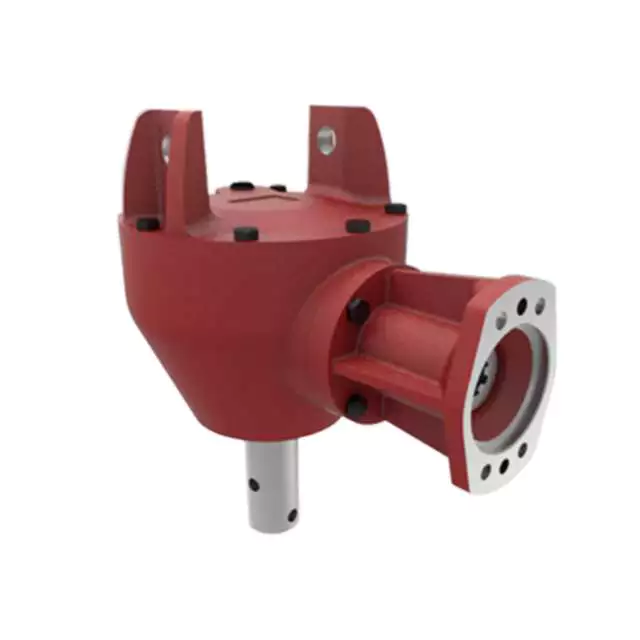
Studia przypadków: udane wdrożenia przekładni rolniczych
Kilka studiów przypadku podkreśla udaną integrację przekładni rolniczych z maszynami rolniczymi:
- Studium przypadku 1: Wszechstronność ciągnika
Gospodarstwo na Środkowym Zachodzie wdrożyło ciągniki wyposażone w regulowane skrzynie biegów. Skrzynie biegów umożliwiały ciągnikom płynne przełączanie się między zadaniami orki, sadzenia i zbioru. Możliwość dostosowania przełożeń prędkości i momentu obrotowego poprawiła wydajność i zmniejszyła potrzebę używania wielu maszyn.
- Studium przypadku 2: Zarządzanie sadem
Sad w Kalifornii wykorzystywał specjalistyczne przekładnie w swoich zmechanizowanych kombajnach. Przekładnie te ułatwiały kontrolowany ruch i precyzyjne pozycjonowanie kombajnów między drzewami. Adaptowalność przekładni umożliwiała kombajnom poruszanie się po nierównym terenie sadu, minimalizując jednocześnie uszkodzenia drzew i owoców.
- Studium przypadku 3: Sadzenie precyzyjne
Gospodarstwo w Europie zintegrowało precyzyjne maszyny do siewu z przekładniami o regulowanym przełożeniu. Umożliwiło to precyzyjną kontrolę rozmieszczenia nasion i głębokości siewu. Przekładnie odegrały kluczową rolę w zapewnieniu równomiernego wschodu roślin i optymalizacji kontaktu nasion z glebą.
- Studium przypadku 4: Narzędzia do wykonywania wielu zadań
Spółdzielnia rolnicza w Australii wykorzystywała wielozadaniowe narzędzia wyposażone w wszechstronne przekładnie. Narzędzia te mogły płynnie przełączać się między zadaniami, takimi jak orka, bronowanie i nawożenie. Zdolność przekładni do zarządzania momentem obrotowym i przełożeniami zapewniała optymalną wydajność podczas wykonywania różnych zadań.
- Studium przypadku 5: Ochrona gleby
Gospodarstwo w Afryce wprowadziło skrzynie biegów w ramach praktyk ochrony gleby. Dzięki wyposażeniu ciągników w specjalistyczne narzędzia z regulowanymi skrzyniami biegów, gospodarstwo skutecznie kontrolowało erozję gleby i poprawiło tempo infiltracji wody. Przekładnie pozwoliły na precyzyjną regulację w zależności od rodzaju gleby i nachylenia.
Studia przypadków ilustrują istotną rolę przekładni rolniczych w zwiększaniu wydajności, wszechstronności i produktywności w szerokim spektrum zastosowań rolniczych.
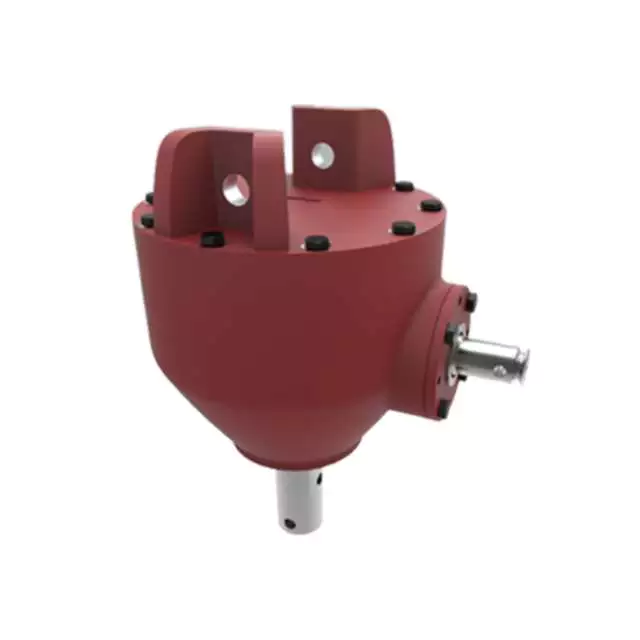
Potential Challenges in Maintenance and Repairs of Agricultural Gearboxes
Maintenance and repairs of gearboxes in agriculture can pose several challenges:
- Harsh Environments: Agricultural machinery operates in challenging environments with exposure to dirt, debris, moisture, and varying temperatures. These conditions can accelerate wear and corrosion, necessitating frequent maintenance.
- Heavy Workloads: Gearboxes in farming equipment often handle heavy workloads, leading to increased stress on components. This can result in faster wear and tear, requiring more frequent inspections and part replacements.
- Accessibility: Some gearboxes are located in hard-to-reach areas of machinery. This makes regular maintenance and repairs more challenging, as technicians may need specialized tools and equipment to access and service the gearboxes.
- Specialized Knowledge: Proper maintenance of agricultural gearboxes requires specialized knowledge and skills. Inadequate understanding of gearbox mechanics and maintenance practices can lead to improper repairs, reducing the gearbox’s lifespan and efficiency.
- Costs: Repairing or replacing gearbox components can be costly, especially for heavy-duty agricultural machinery. Farmers need to consider both the direct costs of parts and labor, as well as potential downtime during repair processes.
- Downtime: The downtime required for gearbox maintenance or repairs can impact farming operations, especially during critical planting or harvesting seasons. Efficient scheduling and backup equipment can help mitigate this challenge.
- Availability of Parts: Obtaining replacement parts for older or less common gearbox models can be challenging. Farmers may need to source parts from specialized suppliers, leading to potential delays in repairs.
Addressing these challenges requires proactive maintenance planning, regular inspections, proper training of maintenance personnel, and sourcing spare parts in advance.
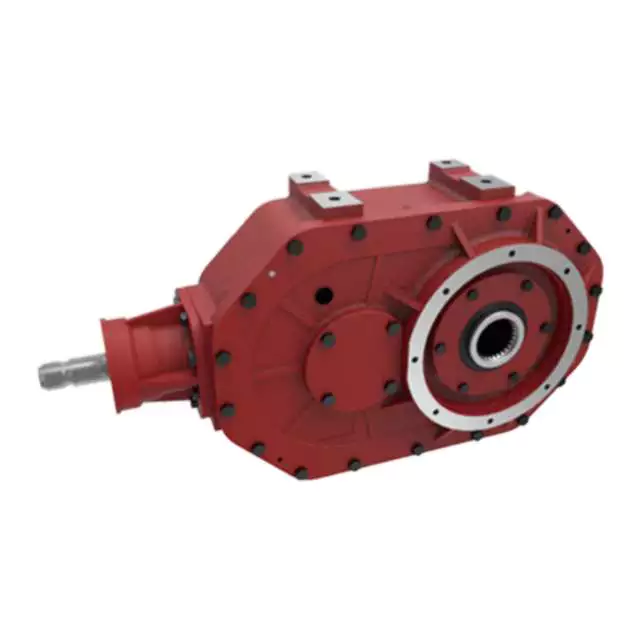
Power Transmission in Farming Equipment with Agricultural Gearboxes
Agricultural gearboxes play a vital role in facilitating power transmission within various types of farming equipment. These gearboxes are integral components that enable the transfer of rotational power from a tractor’s engine to different agricultural implements and machinery. Here’s how agricultural gearboxes contribute to power transmission:
- Speed Reduction: In many farming operations, the engine of a tractor or other power source operates at a higher speed than is suitable for the optimal functioning of agricultural implements. Agricultural gearboxes provide speed reduction by using a combination of gears with different numbers of teeth. This reduction in speed allows the machinery to operate at the required speed for efficient tasks like tilling, planting, or harvesting.
- Power Multiplication: Some agricultural tasks require a significant amount of torque to operate effectively. Gearboxes can multiply the input torque from the engine to generate higher torque at the output shaft. This is crucial for tasks such as plowing, where substantial force is needed to break up the soil.
- Directional Change: Agricultural gearboxes also allow for changes in the direction of power transmission. For instance, a tractor’s power take-off (PTO) shaft may need to transmit power at a right angle to the tractor’s engine. Gearboxes with bevel gears or other arrangements enable this change in direction, ensuring that power is properly directed to the implement.
- Power Distribution: In certain cases, power needs to be distributed to multiple components or implements. Agricultural gearboxes with multiple output shafts can distribute power to different tasks simultaneously, optimizing efficiency and productivity.
- Attachment Operation: Many agricultural implements, such as plows, seed drills, and rotary mowers, require consistent and controlled power to function effectively. Gearboxes provide the necessary power and control to these attachments, ensuring uniform operation and accurate results.
By facilitating speed reduction, power multiplication, directional changes, power distribution, and attachment operation, agricultural gearboxes contribute significantly to the overall efficiency and productivity of farming equipment. They allow farmers to adapt their machinery to various tasks, optimize power usage, and achieve better results in different agricultural operations.


editor by CX 2024-01-02