
Description du produit
UMC is the industry leader in gearbox technology. Over our 40 year history we have introduced many industry changing gearboxes such as the patented TNT gearbox, the 740, the 760, the 775 and more. We continue to define and redefine industry standards for gearbox performance, quality, features and technology. Our gearboxes are purpose built to do the job. Never over-engineered.
UMC stands behind its products and is committed to manufacturing the best products for a global market.
10141-103KU, 740U MASTER WITH SPLINED HYDRAULIC INPUT
Features and Benefits
-
Hydraulic input for direct motor coupling
-
2.25″ diameter steel output shaft
-
50:1 gear ratio
-
Cartridge input and output seals
-
Large input bearings
-
Full cycle external expansion chamber with stainless steel cover
-
11-Bolt mounting pattern
-
External seal protectors for input and output seals
-
Top oil fill plug
-
Filled with extreme pressure gear oil
-
Positive wheel register
10141-105KU, 740U SLAVE
Features and Benefits
-
2.25″ diameter steel output shaft
-
50:1 gear ratio
-
Cartridge input and output seals
-
Large input bearings
-
Full cycle external expansion chamber with stainless steel cover
-
11-Bolt mounting pattern
-
External seal protectors for input and output seals
-
Top oil fill plug
-
Filled with extreme pressure gear oil
-
Dual ended input shaft with a hub cap for the unused end
-
Positive wheel register
TNT-2 Gearbox
Designed for applications where the irrigation system may need to be towed
This gearbox is the perfect solution for a towable irrigation system. Growers typically prefer this gearbox over a gearbox with a towable hub. Simply disengage the worm and tow your system to its working location, then re-engage the worm and you are ready to run. The CX coupler is the perfect compliment for the TNT-2 gearbox due to the ability to control coupler disengagement at the gearbox.
The UMC patented TNT-2 final drive gearbox is designed specifically for applications where a center CHINAMFG or lateral move/ linear irrigation system needs to be towed. The gearbox provides the ability to disengage the worm gear and allows users to move systems from 1 area to another without requiring a Towable Hub add on.
Features and Benefits
- 2.25″ output shaft
- 50:1 gear ratio
- Dual input seals with triple lip output seals
- Bronze gear optional
- Input shaft guard
- External seal protectors for input and output seals
- Top oil fill plug
- 11-Bolt mounting pattern
- Full cycle expansion chamber with stainless steel cover
- Filled with extreme pressure worm gear oil
- Steel output shaft and input shaft
- Tapered roller bearings
- Includes carriage bolts and nuts
- Dual ended input shaft
CHINAMFG PLANETARY WHEEL DRIVE GEARBOX, 68:1,Features and Benefits:
1) Planetary gearboxes can replace TL
2) Hydraulic input for direct motor coupling
3) Quick acting is standard for more versatility
4) 24:1 or 68:1 gear ratio
5) 9-bolt wheel flange pattern
6) CHINAMFG output torque of 66,200 in-lbs
7) Filled with lithium grease
CHINAMFG is the industry leader in gearbox technology. Over 37 year history they have introduced many industry changing gearboxes such as the patented TNT gearbox, the 740, the 760, the 775 and more. CHINAMFG continue to define and redefine industry standards for gearbox performance, quality, features and technology. CHINAMFG gearboxes are purpose built to do the job. Never over-engineered.UMC stands behind its products and is committed to manufacturing the best products for a global market.
/* March 10, 2571 17:59:20 */!function(){function s(e,r){var a,o={};try{e&&e.split(“,”).forEach(function(e,t){e&&(a=e.match(/(.*?):(.*)$/))&&1
| Application: | Motor, Agricultural Machinery, Agricultural |
|---|---|
| Fonction: | Réduction de vitesse |
| Dureté: | Endurci |
| Taper: | Worm and Wormwheel |
| Matériel: | Cast Iron |
| Manipulate Way: | Semi-Automatic Manipulation |
| Personnalisation : |
Disponible
| Demande personnalisée |
|---|
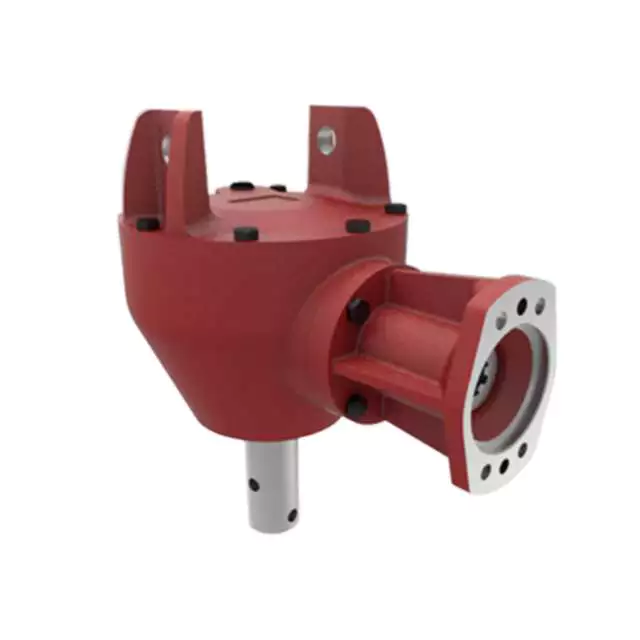
Case Studies: Successful Implementations of Agricultural Gearboxes
Several case studies highlight the successful integration of agricultural gearboxes in farming machinery:
- Case Study 1: Tractor Versatility
A farm in the Midwest implemented tractors equipped with adjustable gearboxes. The gearboxes allowed the tractors to seamlessly switch between plowing, planting, and harvesting tasks. The ability to customize speed and torque ratios improved efficiency and reduced the need for multiple machines.
- Case Study 2: Orchard Management
An orchard in California utilized specialized gearboxes in its mechanized harvesters. These gearboxes facilitated controlled movement and precise positioning of the harvesters among trees. The adaptability of the gearboxes enabled the harvesters to navigate the orchard’s uneven terrain while minimizing damage to trees and fruit.
- Case Study 3: Precision Planting
A farm in Europe integrated precision planting machinery with gearboxes that offered adjustable gear ratios. This allowed for precise control over seed placement and depth. The gearboxes played a vital role in achieving uniform crop emergence and optimizing seed-to-soil contact.
- Case Study 4: Multi-Tasking Implements
A farming cooperative in Australia utilized multi-tasking implements equipped with versatile gearboxes. These implements could seamlessly switch between tasks such as plowing, harrowing, and fertilizing. The gearboxes’ ability to manage torque and speed ratios ensured optimal performance across various tasks.
- Case Study 5: Soil Conservation
A farm in Africa adopted gearboxes in its soil conservation practices. By attaching specialized implements with adjustable gearboxes to their tractors, the farm effectively controlled soil erosion and improved water infiltration rates. The gearboxes allowed for precise adjustments based on soil type and slope.
These case studies illustrate the impactful role of agricultural gearboxes in enhancing efficiency, versatility, and productivity across a spectrum of farming applications.
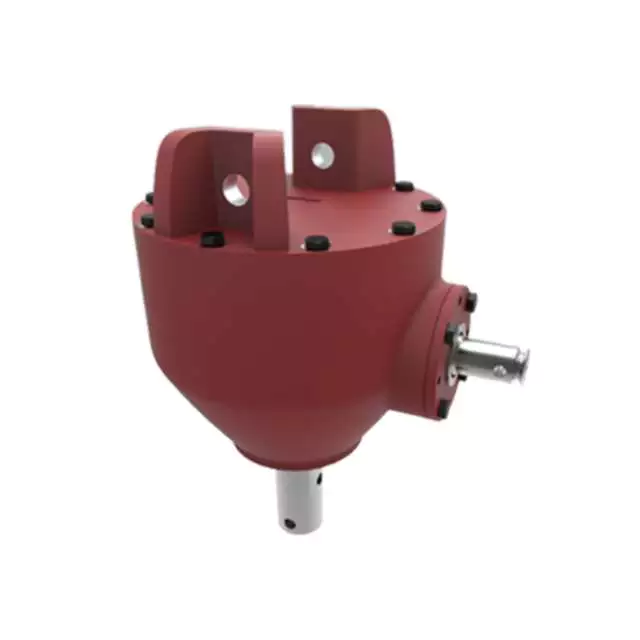
Potential Challenges in Maintenance and Repairs of Agricultural Gearboxes
Maintenance and repairs of gearboxes in agriculture can pose several challenges:
- Harsh Environments: Agricultural machinery operates in challenging environments with exposure to dirt, debris, moisture, and varying temperatures. These conditions can accelerate wear and corrosion, necessitating frequent maintenance.
- Heavy Workloads: Gearboxes in farming equipment often handle heavy workloads, leading to increased stress on components. This can result in faster wear and tear, requiring more frequent inspections and part replacements.
- Accessibility: Some gearboxes are located in hard-to-reach areas of machinery. This makes regular maintenance and repairs more challenging, as technicians may need specialized tools and equipment to access and service the gearboxes.
- Specialized Knowledge: Proper maintenance of agricultural gearboxes requires specialized knowledge and skills. Inadequate understanding of gearbox mechanics and maintenance practices can lead to improper repairs, reducing the gearbox’s lifespan and efficiency.
- Costs: Repairing or replacing gearbox components can be costly, especially for heavy-duty agricultural machinery. Farmers need to consider both the direct costs of parts and labor, as well as potential downtime during repair processes.
- Downtime: The downtime required for gearbox maintenance or repairs can impact farming operations, especially during critical planting or harvesting seasons. Efficient scheduling and backup equipment can help mitigate this challenge.
- Availability of Parts: Obtaining replacement parts for older or less common gearbox models can be challenging. Farmers may need to source parts from specialized suppliers, leading to potential delays in repairs.
Addressing these challenges requires proactive maintenance planning, regular inspections, proper training of maintenance personnel, and sourcing spare parts in advance.
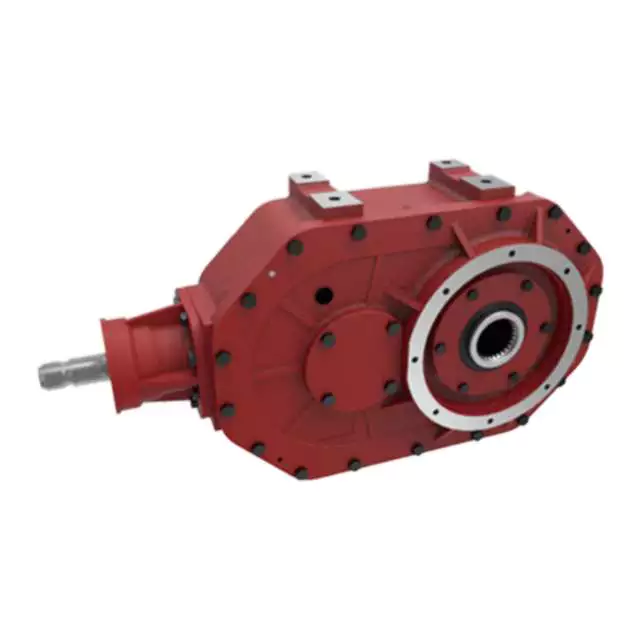
Transmission de puissance dans les équipements agricoles avec boîtes de vitesses agricoles
Les boîtes de vitesses agricoles jouent un rôle essentiel dans la transmission de puissance au sein de divers équipements agricoles. Ces composants indispensables permettent de transférer la puissance de rotation du moteur du tracteur aux différents outils et machines agricoles. Voici comment les boîtes de vitesses agricoles contribuent à la transmission de puissance :
- Réduction de vitesse : Dans de nombreuses exploitations agricoles, le moteur d'un tracteur ou d'une autre machine tourne à un régime supérieur à celui nécessaire au fonctionnement optimal des outils agricoles. Les réducteurs agricoles permettent de réduire la vitesse grâce à une combinaison d'engrenages à denture différente. Cette réduction de vitesse permet aux machines de fonctionner à la vitesse requise pour des tâches efficaces telles que le labour, les semis ou la récolte.
- Multiplication de la puissance : Certaines tâches agricoles nécessitent un couple important pour être réalisées efficacement. Les boîtes de vitesses peuvent multiplier le couple d'entrée du moteur afin de générer un couple plus élevé à l'arbre de sortie. Ceci est crucial pour des opérations comme le labour, où une force considérable est nécessaire pour ameublir le sol.
- Changement de direction : Les boîtes de vitesses agricoles permettent également de modifier le sens de transmission de la puissance. Par exemple, l'arbre de prise de force (PDF) d'un tracteur peut avoir besoin de transmettre la puissance perpendiculairement au moteur. Les boîtes de vitesses à engrenages coniques ou autres dispositifs similaires permettent ce changement de sens, garantissant ainsi une transmission optimale de la puissance à l'outil.
- Distribution de l'énergie : Dans certains cas, il est nécessaire de répartir la puissance entre plusieurs composants ou outils. Les réducteurs agricoles à plusieurs arbres de sortie permettent de distribuer simultanément la puissance à différentes tâches, optimisant ainsi l'efficacité et la productivité.
- Opération de fixation : De nombreux outils agricoles, tels que les charrues, les semoirs et les faucheuses rotatives, nécessitent une puissance constante et maîtrisée pour fonctionner efficacement. Les réducteurs fournissent la puissance et la maîtrise nécessaires à ces équipements, garantissant ainsi un fonctionnement uniforme et des résultats précis.
En facilitant la réduction de vitesse, la multiplication de la puissance, les changements de direction, la distribution de la puissance et l'utilisation des accessoires, les réducteurs agricoles contribuent significativement à l'efficacité et à la productivité globales du matériel agricole. Ils permettent aux agriculteurs d'adapter leurs machines à diverses tâches, d'optimiser la consommation d'énergie et d'obtenir de meilleurs résultats dans différentes opérations agricoles.


editor by CX 2024-01-02