
1. Comprehensive Technical Specifications Overview
| Parameter Description | Engineering Value / Standard |
|---|---|
| Nominal Torque Capacity (Nm) | 12,500 – 185,000 Nm |
| Standard Gear Ratio Range | 6.3:1 – 450:1 (Multi-stage available) |
| Input Power Rating (kW) | 15 kW – 1,200 kW |
| Gear Material Standard | 20CrMnTiH / 18CrNiMo7-6 (Alloy Steel) |
| Case Hardening Depth | 1.2 mm – 1.8 mm (HRC 58-62) |
| Housing Material | Ductile Iron QT450-10 (High Vibration Absorption) |
| Efficiency (%) | 94% – 97% per reduction stage |
| Lubrication Method | Forced Lubrication / Oil Splash with Internal Baffles |
| Oil Seal Type | Dual-Lip Viton with Dust Guard (Labyrinth Seal Option) |
| Standard Working Temperature | -40°C to +55°C (Extreme Continental Compliance) |
| Protection Class (IP) | IP66 (Dust-tight and High-pressure water resistant) |
| Backstop Type | Integrated Wedge-style Non-return System |
| Fatigue Life (L10h) | >50,000 Operating Hours |
| Vibration Threshold (mm/s) | <2.8 mm/s (Class A Standard) |
| Input Shaft Diameter (mm) | 45 mm – 160 mm (Keyed or Splined) |
| Output Shaft Configuration | Hollow Shaft with Shrink Disc / Solid Shaft |
| Installation Interface | Foot-mounted / Flange-mounted / Torque Arm |
| Noise Level (dB) | <80 dB at 1m distance |
| Paint Coating | C5-M (Marine Grade) High Corrosion Protection |
| Explosion-proof Grade | ATEX Category II 2D (Grain Dust Zones 21/22) |
| Bearing Standard | SKF / FAG Heavy-duty Tapered Roller Bearings |
| Oil Type | VG220/320 Synthetic Extreme Pressure Lubricant |
| Gear Profile Accuracy | ISO 1328 Grade 6 (Ground Finish) |
| Overload Factor | 2.0x Nominal Torque (Short Duration) |
| Thermal Rating Enhancement | External Cooling Coil / Integrated Fan System |
| Maintenance Interval (Oil Change) | 8,000 Hours (Synthetic) |
| Seismic Factor Compliance | IBC 2018 / Eurocode 8 |
| Weight (kg) | 250 kg – 4,800 kg (Model Dependent) |
| Surface Roughness (Shaft) | Ra 0.8 µm |
| Ventilation Unit | Pressure-equalizing Breather with 3-micron Filter |

2. Strategic Advantage of Specialized Gearboxes in Grain Vertical Handling
The primary function of a Grain Elevators Gearbox in a storage facility is to convert high-speed motor rotation into the high-torque, low-speed movement required by the elevator’s drive pulley. Unlike standard industrial reducers, boîtes de vitesses agricoles for bucket elevators must incorporate specific features such as non-return backstops (holdbacks). In the event of a power failure, the backstop prevents the fully loaded belt from reversing under gravity, which would otherwise lead to catastrophic grain spillage and mechanical damage. Furthermore, our design philosophy prioritizes thermal dissipation. Vertical elevators often operate 24/7 during the peak Ukrainian harvest. Without superior heat management, the lubricant viscosity breaks down, leading to premature gear failure. We employ advanced computational fluid dynamics (CFD) to optimize the internal oil flow, ensuring that even under continuous full-load operation in the hot Ukrainian summers, the temperature remains within stable limits.
Beyond mere torque delivery, the agricultural gear reducer must interface seamlessly with the structural integrity of the elevator tower. We offer hollow shaft designs with shrink discs to eliminate the stresses associated with keyed shafts, reducing vibration and extending the life of both the gearbox and the elevator’s main drive shaft. This “one-stop” compatibility is why our agricultural manufacturer standards are trusted by major elevator construction firms across Eastern Europe. Whether you are handling heavy corn or light barley, the speed ratio of the pto gearbox components can be fine-tuned to match the discharge velocity required for optimal centrifugal or gravity discharge at the elevator head.
3. Anatomy of a Bucket Elevator Gearbox: From Input to Output
The Grain Elevators Gearbox is typically positioned at the “head” section of the elevator. Its mechanical journey begins with the input shaft, which is coupled to an electric motor (often via a pto gearbox adapter or a fluid coupling for soft-starts). The internal architecture consists of multiple stages of gearing. The first stage usually involves a spiral bevel gear set to provide the necessary 90-degree turn in the power flow, allowing the motor to be mounted parallel or perpendicular to the elevator belt. These bevel gears are precision-ground to ensure maximum tooth contact, reducing noise and the heat generated by friction. Subsequent stages are often helical or planetary gears, which offer the high torque density required to lift several hundred tons of grain per hour. The “Planet” gear arrangement is particularly favored in modern Ukrainian grain terminals due to its compact footprint and ability to distribute the massive load across multiple tooth contacts.
A critical component often overlooked is the torque arm. Because the gearbox is often shaft-mounted to the elevator’s drive pulley, the torque arm prevents the gearbox housing from rotating. Our torque arm designs incorporate heavy-duty bushings that absorb the initial shock of a “cold start”—where the elevator belt is full of grain after an emergency stop. Without this damping, the gearbox housing could crack or the input shaft could shear. The output hollow shaft, secured by a shrink disc, provides a zero-backlash connection. This is essential for maintaining the alignment of the bucket belt, ensuring that the buckets do not rub against the elevator casing, which is a major fire hazard in dusty grain environments.
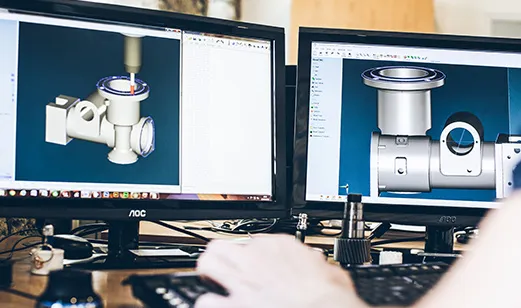
4. Extreme Operating Conditions Field Study: The Black Soil Harvest
In Ukraine’s agricultural belt, from the Dnipro River basin to the Carpathian foothills, the environment for agricultural gearbox systems is unforgiving. During the peak summer harvest, ambient temperatures can soar to +40°C. Within the enclosed head house of a grain elevator, temperatures can reach +60°C. Conversely, during the winter storage and shipping season, the gearbox must start reliably at -30°C. This 90-degree temperature swing requires specialized lubricants with a high viscosity index and seals that remain flexible in sub-zero conditions. Furthermore, the “Chernozem” dust is extremely fine and abrasive. If it penetrates the gearbox seals, it turns the lubricant into a grinding paste, destroying the gear teeth within months. Our solution for the Ukrainian market includes a “Triple-Barrier” seal system: a V-ring, a labyrinth grease-filled seal, and a primary Viton oil seal. This ensures that even the finest dust particles are kept away from the precision gear interfaces.
Another localized challenge is the variability of the power grid in rural regions. Frequent voltage drops can cause motors to stall or trip. When the motor restarts, the agricultural gear reducer is subjected to massive instantaneous torque loads. Our gearboxes are engineered with a service factor (SF) of 2.0 or higher for these specific regions, utilizing 20CrMnTi alloy steel that has been triple-tempered to provide a “tough” core that can absorb these shocks without fracturing. This resilience is what makes our products the preferred choice for major Ukrainian holding companies like Kernel or MHP, where reliability directly translates to export profitability.
5. Global Brand Benchmarking and Performance Superiority
When comparing our agricultural gearbox solutions to industry giants like SEW-Eurodrive, Bonfiglioli, or Sumitomo, several key differentiators emerge. While these brands offer excellent general-purpose industrial reducers, our agricultural gear reducer for grain elevators is purpose-built for the specific load cycles of the grain industry. For instance, our standard housing is 15% thicker than standard industrial units to provide better heat sink properties. Our integrated backstop is external-access, meaning maintenance can be performed without disassembling the entire drive train—a feature that can save 12-24 hours of downtime during the harvest season. Our use of ductile iron (QT450) specifically targets the vibration frequencies of vertical bucket elevators, providing superior damping compared to standard grey iron (GG25) used by some lower-cost competitors.
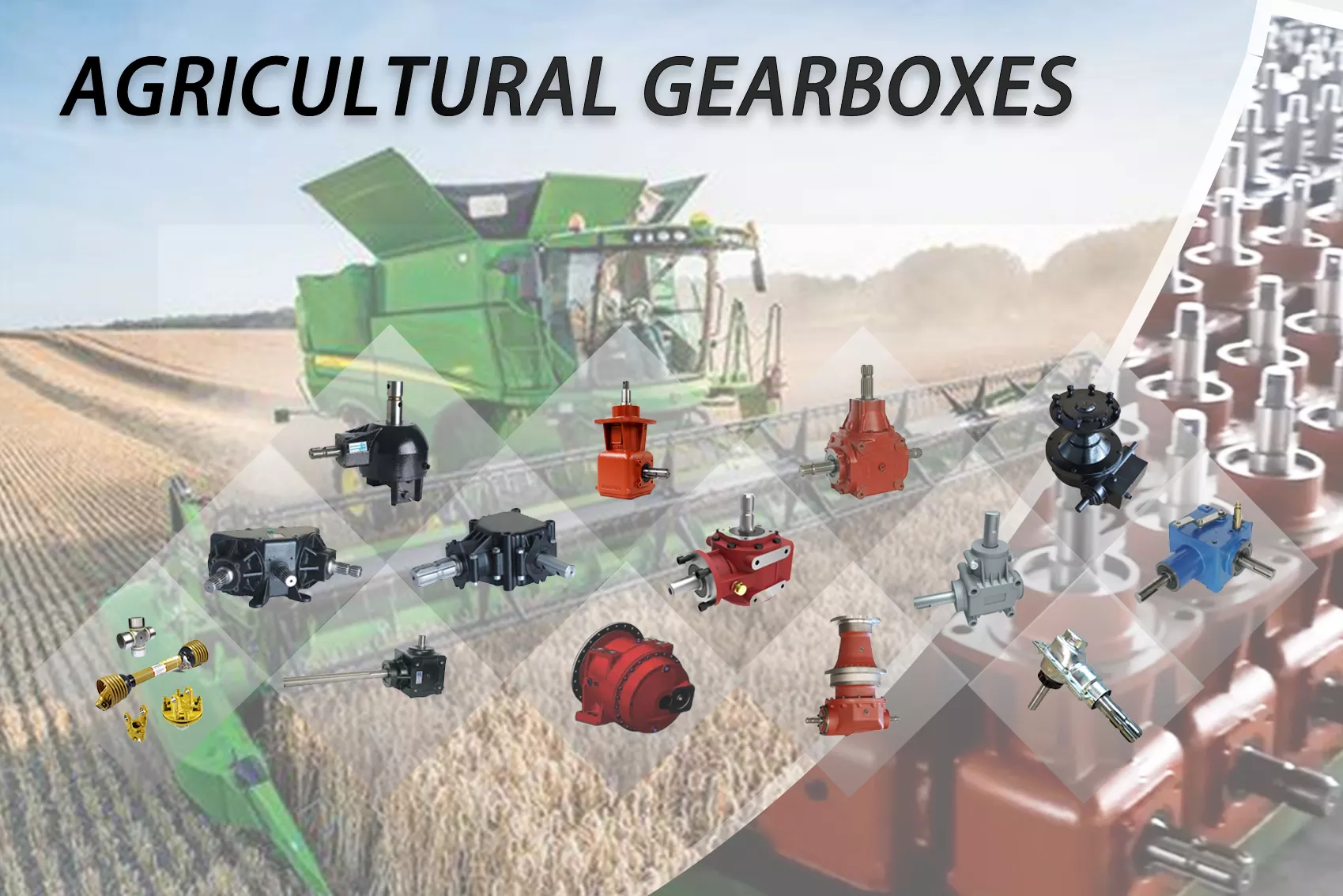
6. Regional Regulatory Compliance & Regional Standards
Operating in the Ukrainian market requires strict adherence to both local and international safety standards. Our boîtes de vitesses agricoles are fully certified under the following frameworks:
- EU CE Machinery Directive (2006/42/EC): Essential for equipment sold within the European Union and Ukraine (under the Association Agreement).
- Ukraine DSTU Standards: Compliance with national standards for industrial safety and mechanical reliability.
- ATEX 2014/34/EU: Critical for grain elevators due to the highly explosive nature of grain dust (Dust Zone 21/22). Our units feature non-sparking vents and temperature sensors.
- Brazil INMETRO: For our clients exporting machinery to the South American market.
- India CMVR: Ensuring drive components meet the rugged standards for the Indian subcontinent’s agricultural needs.
In Ukraine, typical crop seasons—such as the Saskatchewan wheat harvest equivalent in Western Ukraine or the Kano dry-season equivalent irrigation-supported harvests in the south—demand varying torque profiles. We adjust the gear tooth geometry based on whether the primary load is dense corn or lighter sunflower seeds, ensuring the motor operates at its peak efficiency curve.
7. Engineer’s Perspective: The Science of Silence and Strength
From a design perspective, the Grain Elevators Gearbox is a masterpiece of balancing rigidity with dynamic flexibility. Our Lead Design Engineer notes: “When we approached the redesign for the Eastern European market, the primary feedback was not about power, but about thermal fatigue. A gearbox that runs hot is a gearbox that is dying.” Consequently, we moved toward a ‘Ribbed Housing’ design which increases surface area by 35% compared to smooth-wall castings. This allows for passive cooling even in stagnant air environments. Furthermore, we implemented a ‘Crowned Gear’ profile. By slightly curving the face of the gear teeth, we ensure that even if there is a minor shaft deflection under extreme load, the load remains centered on the tooth, preventing edge-loading and catastrophic tooth breakage.
Innovation also extends to material science. We have begun utilizing a proprietary “Clean Steel” process for our agricultural gear reducer components, which reduces non-metallic inclusions in the steel. This increases the fatigue limit by 20%, allowing our gearboxes to handle the millions of cycles required during their 15-20 year service life in a grain terminal. User feedback from maintenance crews in Odessa highlighted the difficulty of oil changes in cramped elevator head-houses. In response, we standardized ‘Magnetic Drain Plugs’ and ‘Quick-Connect’ oil sampling ports on all agricultural gearbox models, allowing for condition-based monitoring without messy oil drainage.
8. Field Notes: Global Success Stories
Case 1: The Mykolaiv Terminal (Ukraine) – Solving the Dust Explosion Risk“The client was running older reducers that were overheating and sparking. In a grain silo, that’s a ticking time bomb. We replaced their main elevator drives with our ATEX-certified boîtes de vitesses agricoles. We integrated PT100 temperature sensors directly into the bearing housings. Results: The terminal passed its safety audit with zero citations, and the operating temperature dropped by 18°C.”
Case 2: Mato Grosso Soy Expansion (Brazil) – Handling Heavy Humidity“Extreme humidity in Brazil was causing standard oil seals to fail, leading to water contamination in the gear oil. We supplied a specialized agricultural gear reducer with a ‘taconite’ seal arrangement. The client reported a 400% increase in seal life and a significant reduction in maintenance costs during the rainy season.”
Case 3: Saskatchewan Wheat Belt (Canada) – Arctic Cold Starts“At -40°C, mineral oil is like molasses. We equipped a grain co-op with gearboxes pre-filled with full-synthetic low-temp lubricant and integrated 110V heating pads. The elevators started smoothly on the first attempt after a mid-winter blizzard, preventing a logistics bottleneck for the rail load-out.”
Case 4: Punjab Paddy Elevators (India) – Overload Resilience“During the monsoon harvest, rice is often wetter and heavier than expected. Standard gearboxes were shearing shafts. We provided a heavy-duty pto gearbox solution with an increased service factor of 2.5. The equipment has now survived three seasons of ‘illegal’ overfilling without a single mechanical hiccup.”
Case 5: Australian Out-Back Grain Bunkers – The Heat Challenge“Operating in 50°C heat, we installed our gearboxes with external oil-to-air heat exchangers. The client, who previously lost 2 gearboxes a year to ‘thermal runaway,’ hasn’t had a failure in 48 months. Our agricultural manufacturer expertise in thermal management saved their harvest.”

9. Industry Trends: The Future of Grain Handling
The global grain handling market is shifting toward “Smart Elevators.” We are at the forefront of this trend by integrating IoT sensors into our boîtes de vitesses agricoles. These sensors monitor vibration, oil health, and torque loads in real-time, feeding data to a central cloud system. In Ukraine, where logistics are complex, predictive maintenance allows companies to fix a gearbox weeks before it fails, avoiding the ‘harvest nightmare’ of a broken elevator. Furthermore, there is a push for higher capacity elevators—reaching up to 1,500 tons per hour. This requires massive planetary agricultural gear reducers with advanced cooling. We are currently developing a new range of carbon-neutral manufacturing processes, using recycled high-strength alloys to meet the green initiatives of global agricultural giants.
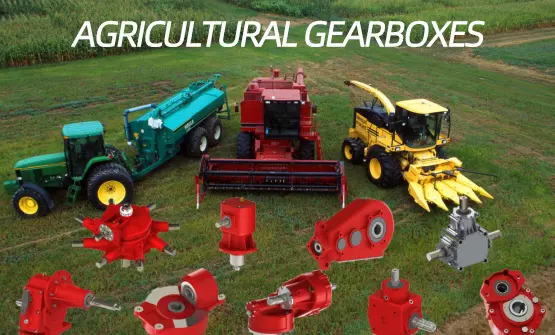
10. When to Replace Your Grain Elevator Gearbox?
A failing Grain Elevators Gearbox can lead to fire or structural collapse. Watch for these critical symptoms:
- Abnormal Heat: If the gearbox housing exceeds 85°C, the internal friction is excessive.
- Metallic Noise: A ‘grinding’ or ‘whining’ sound indicates gear tooth wear or bearing spalling.
- Oil Contamination: Metal flakes in the oil sample are a clear sign of internal component degradation.
- Increased Vibration: Excessive shaking at the elevator head can loosen structural bolts.
- Oil Leakage: Seepage at the input or output shaft indicates seal failure, which will lead to dry running.
11. Integrated Power Transmission Ecosystem
Beyond our flagship Grain Elevators Gearbox, we offer a complete suite of transmission components to ensure system-wide compatibility and a one-stop procurement advantage for OEMs and large-scale farm holdings.
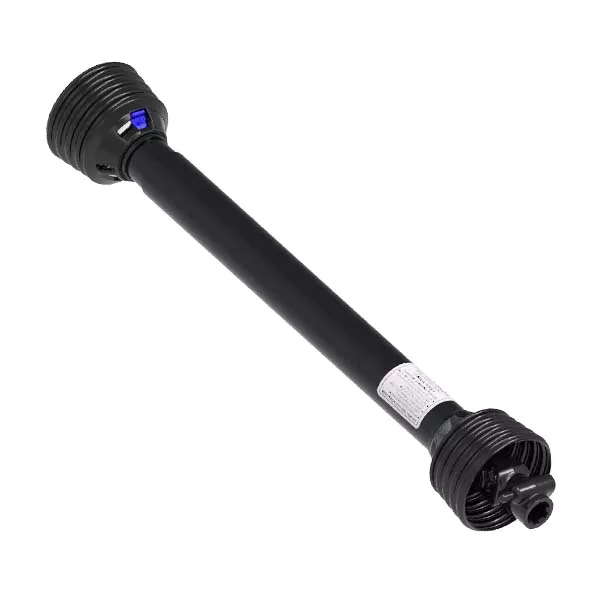
PTO Shafts
Heavy-duty Arbre de prise de force solutions with wide-angle joints and safety clutches for mobile augers.
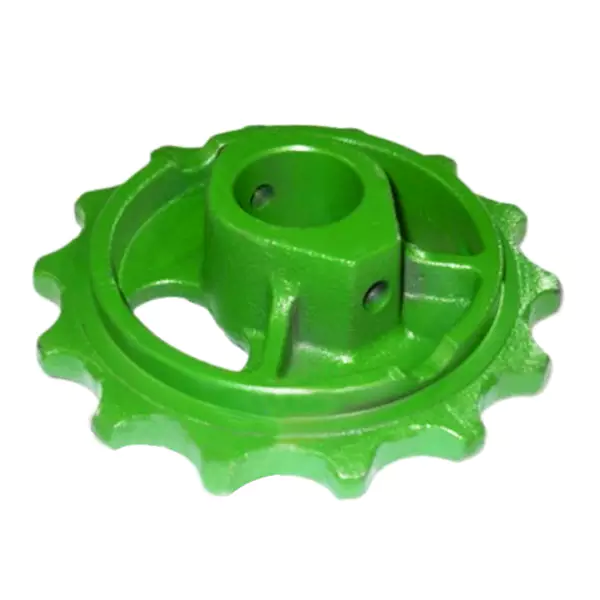
Heavy-duty Chains
Wear-resistant agricultural chains for high-capacity vertical and horizontal transport.

FAQ
Q1: How can I determine the right torque capacity for my 100-foot bucket elevator in Ukraine?
A1: We calculate the required torque based on the bucket size, belt speed, and the maximum density of the grain (e.g., wet corn vs. dry wheat), typically adding a 2.0 service factor for rural power stability.
Q2: Where can I find a reliable supplier for ATEX-compliant agricultural gearboxes in Eastern Europe?
A2: We provide direct shipping and engineering support across Ukraine and neighboring regions, ensuring all units meet the 2014/34/EU directive for explosive dust environments.
Q3: What is the cost difference between a standard agricultural gearbox and a high-efficiency helical-bevel model?
A3: While the initial quote for a helical-bevel unit is higher, the 97% efficiency saves thousands of dollars in electricity costs annually for high-capacity elevators.
Q4: Can your gearboxes be used as a direct replacement for SEW or Bonfiglioli units on GSI elevators?
A4: Yes, we provide custom mounting plates and hollow shaft diameter matching to ensure a seamless drop-in replacement with improved thermal ratings.
Q5: Why is a non-return backstop mandatory for grain elevator gearboxes in modern grain silos?
A5: A backstop prevents the vertical belt from reversing if power is lost, which avoids catastrophic mechanical damage and ensures operator safety during maintenance.
Q6: Which lubrication type is best for gearboxes operating in the variable climates of Canada and Ukraine?
A6: We recommend a high-quality ISO VG 220/320 full-synthetic oil, which maintains flow at -30°C and provides superior film strength at +60°C.
Q7: How often should I perform vibration analysis on my agricultural gear reducer to avoid unplanned downtime?
A7: For commercial elevators, we suggest a monthly vibration check or the installation of permanent IoT sensors for 24/7 condition monitoring.
Q8: Does your agricultural manufacturer warranty cover the extreme dust conditions typical of grain terminals in Odessa?
A8: Yes, our standard warranty applies provided the unit is fitted with our dust-guard seal package and pressure-equalizing breathers are maintained.
Q9: What is the lead time for a custom-ratio pto gearbox for a mobile grain auger system?
A9: We maintain a large stock of standard ratios and can ship custom configurations within 4-6 weeks to most global locations.
Q10: Are there local technicians available in Ukraine to assist with the installation of large planetary gearboxes?
A10: We work with a network of certified engineering partners in Kyiv and Dnipro who provide on-site commissioning and alignment services.
Ready to Upgrade Your Grain Terminal’s Efficiency?
Connect with our senior engineering team for a personalized technical consultation and a high-performance quote today.
Editor: PXY