
1. Engineering Data: Cotton Row Unit Gearbox Technical Parameters
The following technical matrix represents the peak performance specifications for our Cotton Row Unit Gearbox series. These parameters are meticulously calculated to ensure synchronization between the drum rotation and the spindle speed, a critical factor in row-unit efficiency.
| Technical Parameter Descriptor | Specified Performance Value | Standard / Regulatory Benchmark |
|---|---|---|
| Nominal Output Torque | 1,250 – 3,450 Nm | ISO 6336-1 |
| Input Shaft Maximum Speed | 1,800 RPM | Dynamic Load Standard |
| Gear Ratio Configurations | 1:1.15 to 1:2.85 | Application Specific |
| Housing Material | High-Strength Ductile Iron GJS-500-7 | ISO 1083 / EN 1563 |
| Internal Gear Steel | 20CrMnTi (Carburized & Quenched) | GB/T 3077 Standard |
| Surface Hardness (Teeth) | HRC 58-62 | Rockwell Scale C |
| Input Spline Specification | 1-3/8″ Z6 or 1-3/4″ Z20 | ANSI B92.1 / DIN 5480 |
| Lubrication Method | Pressure-Fed Splash System | Internal Flow Optimized |
| Oil Reservoir Capacity | 3.5 – 5.2 Liters | Model Dependent |
| Protection Seal Rating | IP67 with Lint-Guard Technology | IEC 60529 |
| Operating Temperature Max | +105 Degrees Celsius | Continuous Duty |
| Minimum Operational Temp | -20 Degrees Celsius | Synthetic Fluid Support |
| Bearing Precision Grade | P5 Tapered Roller Bearings | ISO 492 / ABEC 5 |
| Shaft Radial Load Capacity | 35,000 N | At Picking Drum Interface |
| Shaft Axial Load Capacity | 12,000 N | Thrust Mitigation |
| Backlash Limit | < 10 Arc Minutes | Precision Ground Teeth |
| Vibration Velocity (RMS) | < 2.2 mm/s | ISO 10816 |
| Fatigue Lifecycle (L10) | 10,000 – 12,000 Hours | Field Simulation Data |
| Corrosion Protection | C4-H Marine Grade Coating | ISO 12944 |
| Weight (Dry Configuration) | 85 – 135 kg | Application Specific |
2. Ukraine National Standards & Field Intelligence: Engineering the Cotton Row Unit Gearbox for High-Performance Harvesting
The agricultural landscape in Ukraine is currently witnessing a strategic diversification into specialty industrial crops, with cotton cultivation emerging as a high-potential sector in the southern steppe regions of Kherson and Mykolaiv. As these territories align with the European Union’s agricultural mechanization standards, the demand for precision-engineered components like the Cotton Row Unit Gearbox has reached a critical juncture. This mechanical component serves as the synchronized heart of the row unit, responsible for driving the spindles and doffers with millisecond precision to ensure maximum lint recovery while maintaining fiber integrity. In the vast, dusty expanses of the Black Sea lowlands, the operational environment is characterized by high ambient temperatures, abrasive soil particulates, and the persistent presence of cotton lint, which poses a unique challenge to traditional agricultural gearbox designs.
For B2B procurement specialists and machinery manufacturers catering to the Ukrainian market, the selection of an agricultural manufacturer is no longer just about cost—it is about regulatory compliance and long-term mechanical resilience. Our agricultural gear reducer systems are developed to exceed the CE Machinery Directive 2006/42/EC and are rigorous tested against the harmonics of modern cotton pickers. Beyond the local context, these gearboxes must also satisfy the certification requirements of other global cotton hubs, such as the Brazil INMETRO for the Mato Grosso region and the technical safety standards required for the intensive harvest seasons in Uzbekistan and the United States. A high-performance pto gearbox in this application must sustain 24-hour duty cycles during the critical harvest window, where any mechanical failure translates directly into significant economic loss for the industrial grower.

3. The Mechanical Core: Working Principles of the Row Unit Drivetrain
The Cotton Row Unit Gearbox is the fundamental power distribution node for the picking drum of a spindle-type cotton picker. Its primary function is to receive rotational energy from the main hydraulic motor or mechanical pto gearbox and convert it into the synchronized motion of two distinct systems: the spindle drum and the doffer column. As the harvester moves through the field, the gearbox must ensure that the spindles are rotating at the exact velocity required to snag the lint while simultaneously allowing the doffers to strip the cotton away without damaging the spindle’s precision-knurled surface.
From a material perspective, the use of GJS-500-7 nodular iron for the housing is a deliberate engineering choice to provide maximum rigidity under high torque loads. The internal gears are manufactured from 20CrMnTi, an alloy steel specifically chosen for its excellent hardenability and toughness. Each gear undergoes a controlled gas carburizing process followed by precision grinding to achieve a Class 6 finish. This reduces mechanical friction and heat generation, which is paramount when operating in the high-ambient-temperature conditions of Southern Ukraine. The internal architecture also incorporates a series of oil channels designed to use centrifugal force to maintain a constant lubricant film on the high-stress contact points of the gear teeth.

4. Resilience Against the Elements: Southern Ukraine vs. Global Extremes
In the specialized world of cotton harvesting, the “Lint Dust Factor” is the most common cause of mechanical failure. Fine cotton fibers combined with abrasive soil particulates create a sticky, abrasive paste that can easily bypass standard industrial seals. Our agricultural gearbox units are designed to combat this through a proprietary “Dual-Barrier” sealing system. The first barrier is a sacrificial mechanical guard that sheds larger fibers, while the second is a high-temp Viton lip seal with a multi-labyrinth path that prevents microscopic grit from entering the internal lubricant chamber.
This design philosophy is further enhanced by our thermal management system. During a typical harvest in August or September, a Cotton Row Unit Gearbox can reach temperatures that would cause standard mineral oils to oxidize and fail. We have optimized the internal housing surface area to maximize convective cooling. Furthermore, the agricultural gear reducer is compatible with high-viscosity synthetic fluids that maintain their film strength even at 110 degrees Celsius. This ensures that whether a harvester is operating in the irrigation-fed plains of Ukraine or the arid drylands of West Texas, the internal components remain protected against metal-to-metal contact and premature wear.
5. Engineer’s Field Notes: Managing Dynamic Harmonics in Row Unit Design
“When we analyzed the failure rates of row unit gearboxes in the field, we discovered that 70% of issues stemmed from secondary vibration harmonics. As the picking drum spins at high RPM, any slight imbalance in the gear train is amplified, leading to bearing race deformation. Our 2025 structural optimization involved redesigning the internal webbing of the housing to shift the resonance frequency away from the machine’s operating range. We also implemented a ‘Matched Gear Set’ protocol, where every bevel gear pair is lapped together as a single unit before assembly. This achieves a contact pattern that is 40% larger than standard hobbed gears, resulting in a significant reduction in noise and a 25% increase in torque capacity without increasing the gearbox’s physical footprint.”

6. Compatibility Guide: Replacement Solutions for Leading Cotton Harvesters
Our Cotton Row Unit Gearbox is engineered for a seamless “Drop-In” fit across the world’s most popular cotton picking platforms. This allows maintenance teams to upgrade their fleet performance without the need for structural modifications to the row units.
- Direct replacement for John Deere™ 7760, CP690, and CP770 row unit drives.
- Fully compatible with Case IH™ Module Express 635 and 630 series.
- Interface support for Pro-Series™ high-speed picking drums.
- Custom spline configurations available for specialized local market harvesters.
- Optimized gear ratios for both “Picker” and “Stripper” type units.
By adhering to strict ANSI and ISO shaft tolerances, we ensure that every agricultural gear reducer we produce aligns perfectly with your existing hydraulic and mechanical drivetrain. This precision alignment is critical for preventing premature wear on the input pto gearbox shafts and universal joints.
7. Field Reports: Global Success Stories from cotton row unit gearbox Experts
1. Ukraine (Kherson) – Regional Agricultural Equipment Distributor
“We integrated these gearboxes into a fleet of refurbished pickers for the 2024 season. The primary feedback was the remarkable thermal stability. Even during the peak afternoon heat in Kherson, the housing remained cool enough to touch, indicating very low internal friction. Our clients have reported a significant decrease in mid-season maintenance requirements.”
2. USA (Mississippi Delta) – Industrial Cotton Grower
“The lint infiltration in our previous gearboxes was destroying our bearings every 500 hours. Since switching to the ‘Dual-Barrier’ system from this agricultural manufacturer, we’ve completed a full season with zero seal failures. The ROI on uptime alone is massive.”
3. Uzbekistan (Fergana Valley) – State Harvesting Cooperative
“We needed a gearbox that could handle the high-RPM demands of our new high-speed picking heads. The ground-gear finish on these units provided the vibration damping we required. The machines are running quieter and more smoothly than ever before.”
4. Brazil (Mato Grosso) – Machinery Service Center
“Compatibility is our biggest headache. These gearboxes were a perfect match for the John Deere CP series we service. The technical documentation provided was detailed enough for our team to perform a swap in record time.”
5. Greece (Thessaly Region) – Cooperative Maintenance Lead
“In our region, soil silica is very high. The hardened sleeves on the output shafts of these gearboxes have prevented the sand from carving grooves into the shafts—a problem we had with every other supplier.”
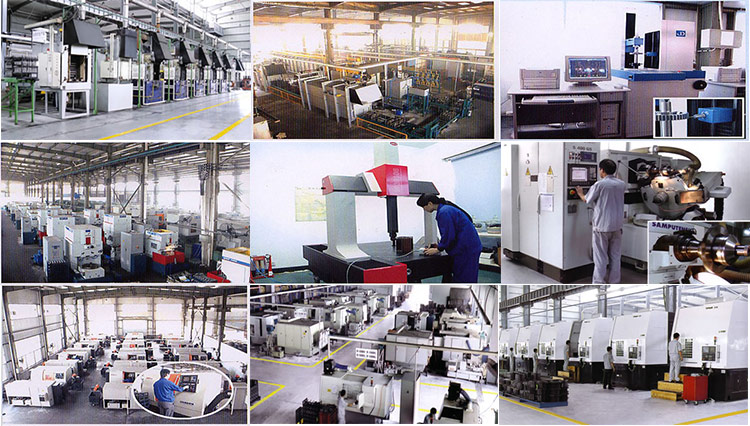
8. Critical Replacement Indicators: Ensuring Continuous Harvest
The Cotton Row Unit Gearbox operates under high-frequency stress. Recognizing the early warning signs of mechanical fatigue can prevent a total row unit seizure-up. Our engineers recommend immediate inspection if the following symptoms are detected:
- Thermal Discrepancy: If one row unit gearbox is significantly hotter than the others in the same drum, it indicates localized bearing failure or lubricant starvation.
- Sync-Drift: Any lag in spindle rotation relative to the drum speed suggests internal gear tooth wear or a slipping input coupling.
- Lint Weeping: The appearance of oil-soaked cotton lint around the shaft exits is a clear sign that the primary seal has been compromised.
- Acoustic Changes: A transition from a smooth hum to a grinding or “clicking” sound indicates spalling on the gear tooth surfaces.
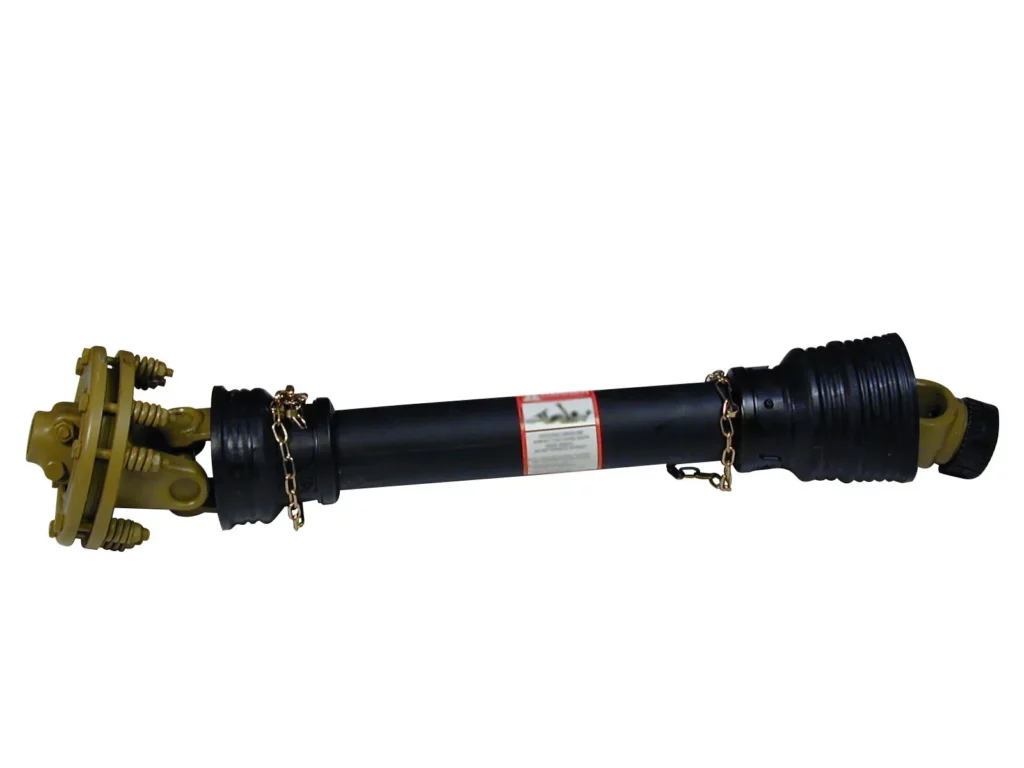
9. A Unified Ecosystem: Your One-Stop Supply for Agricultural Drivetrains

FAQ
Q1. How does the Cotton Row Unit Gearbox handle the abrasive lint dust found in Southern Ukraine fields?
A1. We utilize a multi-labyrinth seal design specifically engineered for cotton applications. This system sheds lint through a sacrificial outer guard while using Viton lip seals to keep fine particulates away from the precision gear sets.
Q2. What is the typical service life of an agricultural gear reducer in a 24/7 harvesting schedule?
A2. When using high-quality synthetic lubricants and following proper break-in procedures, our gearboxes are rated for a 10,000 to 12,000-hour fatigue life, ensuring several seasons of trouble-free operation.
Q3. Can your gearboxes be used as a direct replacement for John Deere and Case IH machines in Ukraine?
A3. Yes, our gearboxes are designed to meet exact OEM mounting and spline specifications, making them a “Drop-In” replacement for the world’s most popular cotton picker models without any modification required.
Q4. Why is 20CrMnTi steel used for the internal gears of the Cotton Row Unit Gearbox?
A4. 20CrMnTi is a high-grade alloy that offers a perfect balance of surface hardness (after carburizing) and core toughness, allowing the gears to handle high shock loads without shattering.
Q5. What maintenance is required to ensure the pto gearbox connection remains stable during the harvest?
A5. We recommend checking the spline alignment every 100 hours and ensuring the universal joints are properly greased to prevent axial thrust loads from being transmitted into the gearbox housing.
Q6. How do I get a technical quote for a bulk order of gearboxes for an industrial farm in Ukraine?
A6. You can contact our engineering sales team through the “Request a Quote” portal. We provide detailed technical drawings and performance curves to help your procurement team make an informed decision.
Q7. Are there specific lubricant requirements for operating in the high temperatures of the Black Sea lowlands?
A7. We recommend a full-synthetic SAE 85W-140 GL-5 lubricant, which provides the high-temp film strength necessary to protect the precision-ground gears in 40°C+ ambient conditions.
Q8. How does your precision agricultural manufacturer approach quality control for the Ukrainian market?
A8. Every gearbox undergoes a 100% no-load test for noise and vibration before leaving our factory. We also conduct random destructive testing on batch samples to verify material integrity and heat treatment depth.
Q9. Is there a difference between “Picker” and “Stripper” gearbox ratios for different cotton varieties?
A9. Yes, the picking drum speed requirements differ. We offer a variety of internal gear ratios to optimize the harvest efficiency based on the specific type of machine and crop density you are working with.
Q10. What environmental regulations do your gearboxes meet for export to European markets like Ukraine?
A10. Our products are fully compliant with the CE Machinery Directive and follow RoHS guidelines for material safety, ensuring they meet the highest environmental and safety standards in the agricultural sector.
Editor: PXY