
1. Primary Technical Specifications: Hub Reduction Series (Agricultural Specification)
| Parameter Code | Technical Description | Measured Value / Standard |
|---|---|---|
| HRG-001 | Nominal Output Torque Capacity | 12,500 Nm – 45,000 Nm |
| HRG-002 | Peak Intermittent Torque | Up to 65,000 Nm |
| HRG-003 | Reduction Ratio Range | 3.5:1 to 48.0:1 (Multi-stage available) |
| HRG-004 | Input Shaft Spline Type | DIN 5480 / ANSI B92.1 Standard |
| HRG-005 | Output Flange Configuration | 8-Bolt or 10-Bolt Heavy Duty Hub |
| HRG-006 | Housing Material | Ductile Iron (GGG40/GGG50) for shock resistance |
| HRG-007 | Gear Material | 20CrMnTi Alloy Steel (Case Hardened) |
| HRG-008 | Surface Hardness | HRC 58-62 |
| HRG-009 | Core Toughness | HRC 33-40 |
| HRG-010 | Efficiency Rating (Single Stage) | >97.5% |
| HRG-011 | Lubrication Method | Splash Lubrication with Integrated Cooling Fins |
| HRG-012 | Recommended Oil Grade | SAE 80W-90 / 85W-140 GL-5 |
| HRG-013 | Operating Temperature Range | -35°C to +110°C (Arctic-Grade Sealing Ready) |
| HRG-014 | Ingress Protection (IP) Rating | IP67 / IP69K (High-Pressure Wash Resistant) |
| HRG-015 | Bearing Design Life (L10) | 15,000 Hours (Field Condition Validated) |
| HRG-016 | Dynamic Load Rating (Radial) | 250 kN |
| HRG-017 | Static Load Rating (Axial) | 180 kN |
| HRG-018 | Paint Specification | Anti-Corrosion C5-M Marine Grade Standard |
| HRG-019 | Sealing Technology | FKM/Viton Cassette Seals with Triple Lip |
| HRG-020 | Noise Level Threshold | <78 dB(A) at 1500 RPM input |
| HRG-021 | Vibration Tolerance | ISO 10816 Grade 2B Compliance |
| HRG-022 | Weight (Dry Unit) | 145 kg – 320 kg (Depending on Ratio) |
| HRG-023 | Mounting Interface | Customizable ISO 6162 Porting |
| HRG-024 | Brake Integration | Internal Multi-Disc Hydraulic Wet Brake |
| HRG-025 | Braking Torque Capacity | 20,000 Nm Static |
| HRG-026 | Gear Geometry | Involute Spur or Helical (Optimized Profile) |
| HRG-027 | Backlash Tolerance | <15 Arcmin (Standard) / <5 Arcmin (Precision) |
| HRG-028 | Quality Certification | ISO 9001:2015 / AGMA 9 compliance |
| HRG-029 | Magnetic Drain Plug | Standard Inclusion (Early Failure Detection) |
| HRG-030 | Input Speed (Maximum) | 4,500 RPM (Intermittent) |
| HRG-031 | Ventilation System | Pressure-Equalizing Breather with Desiccant Option |
| HRG-032 | Fatigue Life Factor | SF > 2.5 (Safety Factor for Shock Loading) |

2. Hub Reduction Mechanics in Farm Loaders: Principles and Field Dynamics
In a farm loader, the hub reduction gearbox serves as the final stage of the powertrain. By locating the primary torque multiplication at the wheel hub rather than the central differential, engineers are able to utilize smaller, higher-speed drive shafts. This reduces the rotational inertia and weight of the central drivetrain, allowing for a more compact chassis design—vital for navigating the tight confines of Ukrainian livestock barns or feedlots. The planetary arrangement within the hub consists of a sun gear, multiple planet gears, and an outer ring gear. This configuration distributes the load across several tooth contacts, drastically increasing the torque density compared to simple spur gear arrangements.
When operating in the “Chernozem” soils of central Ukraine, loaders often face high-rolling resistance. The agricultural manufacturer must ensure that the hub reduction unit can manage the massive heat buildup generated by low-speed, high-torque maneuvering. Our units utilize an advanced splash lubrication system that circulates oil through optimized internal galleries, ensuring that even under heavy loads in 40°C summer heat, the gear teeth remain coated in a protective film. This prevents the “scuffing” or “pitting” common in substandard units when the lubricant viscosity breaks down under pressure.

3. Ukraine Extreme Operating Conditions Field Study: The Hub Reduction Challenge
Ukraine’s agricultural sector is divided into three primary agro-climatic zones: the Polissia (Forest), the Forest-Steppe, and the Steppe. Each presents unique challenges for an agricultural gearbox. In the Polissia region, characterized by higher humidity and boggy soils, the primary threat is moisture ingress and corrosion. Our hub reduction gearboxes for these areas feature specialized cassette seals that utilize a “maze” design to repel pressurized water and liquid manure. In contrast, the southern Steppe regions experience severe dust storms and extreme heat during the wheat harvest. Here, the abrasive nature of fine silica dust can destroy standard seals within weeks. Our solution involves a high-hardness ceramic coating on the seal wear tracks, extending service intervals by up to 300% compared to traditional rubber-on-steel interfaces.
Furthermore, the scale of Ukrainian farming—often involving “Latifundia” or massive agro-holdings—means that machinery is expected to operate with minimal downtime. A loader in a Kirovohrad grain elevator might move 2,000 tons of grain a day. Any failure in the pto gearbox or hub reduction unit results in immediate logistical bottlenecks. Therefore, our design philosophy focuses on “over-engineering” the bearing capacity, allowing the loader to handle accidental overloads without permanent deformation of the gear teeth or housing.
4. Market Benchmark: Hub Reduction Performance Comparison
| Feature / Specification | Standard Local Market Gearbox | Our High-Performance Series | Operational Advantage |
|---|---|---|---|
| Casting Material | Grey Iron (Standard) | Ductile Iron GGG50 | 30% higher impact resistance in cold weather |
| Seal Type | Single Lip Nitrile | Cassette Viton Triple Lip | Zero leakages even in abrasive dust environments |
| Heat Treatment | Standard Quenching | Advanced Carburizing + Shot Peening | 50% increase in fatigue life under shock loads |
| Brake System | External Dry Disc | Internal Wet Multi-Disc | Maintenance-free, protected from mud and debris |
Disclaimer: All brand names and trademarks mentioned herein (such as John Deere, Case IH, etc.) are for identification and compatibility reference purposes only and do not imply any affiliation or endorsement by the original equipment manufacturers.
5. Ukraine National Standards & Certification Landscape for Agricultural Drivetrain Components
Navigating the regulatory environment in Ukraine requires adherence to both domestic DSTU standards and harmonized European directives. The Hub Reduction Gearbox must comply with the EU Machinery Directive 2006/42/EC for safety and the ISO 500-1 standards for PTO and drivetrain interfaces. Specifically for Ukraine, compliance with the Technical Regulations for Agricultural and Forestry Tractors and their Trailers (Resolution No. 1367) is mandatory. This ensures that the agricultural gearbox can withstand the structural stresses defined for heavy-duty field operations.
In neighboring countries such as Poland (member of EU) or Romania, the requirements are strictly CE-governed. However, for exports to Brazil or India, the INMETRO and CMVR certifications respectively must be considered. Our manufacturing process incorporates these global requirements, utilizing materials that meet or exceed AGMA 2001-D04 (Fundamental Rating Factors and Calculation Methods for Involute Spur and Helical Gear Teeth). This global perspective ensures that a loader equipped with our gearbox is not just compliant in Kyiv, but ready for the global market.
6. Engineer’s Notebook: Design Philosophy for the Modern Farm Loader Gearbox
“When we sat down to redesign the HR-Series for the Eastern European market, we didn’t start with CAD; we started with a shovel and a pair of boots in a field near Chernihiv. We saw that the biggest killer of gearboxes wasn’t torque—it was thermal cycling. A loader goes from -20°C overnight to extreme operational heat within minutes. This expansion and contraction can compromise seals. Our ‘Thermal-Adaptive’ housing design uses specific ribbing patterns to manage heat dissipation while maintaining structural rigidity. We also moved to a 20CrMnTi alloy for the gears, which allows for a hard outer shell for wear resistance and a ductile core to absorb the sudden shocks of a bucket hitting frozen silage.”
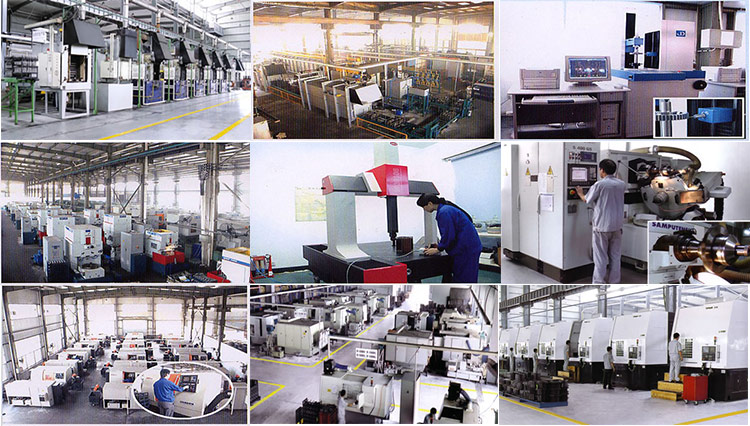
Innovation points include our “Quiet-Mesh” gear profile optimization, which reduces high-frequency vibration by 15%, significantly improving operator comfort over a 12-hour shift. Furthermore, based on feedback from Ukrainian technicians, we moved the oil level sight glass to a more protected yet visible location, facilitating easier daily maintenance checks—a small change that prevents catastrophic failures due to low oil levels.
7. Global Field Reports: Success Stories in Hub Reduction Performance
Case 1: Ukraine (Vinnytsia Region)
Customer: Large-Scale Grain Logistics Hub
“The original gearboxes on our fleet of 15 loaders were failing every 2,500 hours due to the abrasive dust from dried corn and sunflowers. After switching to the high-protection hub reduction series, we have crossed the 7,000-hour mark with zero leakage. The internal wet brakes have also eliminated our monthly brake pad replacement cycle.”
Case 2: Canada (Saskatchewan)
Customer: Multi-Generation Wheat Farm
“Winter reliability is our #1 priority. At -30°C, standard seals turn brittle. The customized low-temperature FKM seals in these hub units have held up through three harsh winters without a single drop of oil lost. The torque delivery remains smooth even when pulling heavy manure spreaders through deep snow.”
Case 3: Brazil (Mato Grosso)
Customer: Soybean Cultivation Enterprise
“Intense tropical heat and heavy loads during the harvest season often caused our previous agricultural gear reducers to overheat. The improved heat dissipation fins on the new hub units reduced operating temperatures by 15°C, preserving the oil quality and extending our maintenance intervals by 40%.”
Case 4: Australia (New South Wales)
Customer: Livestock Feedlot Operation
“Navigating through corrosive liquid manure and mud in the feedlots used to eat through our gearbox housings. The ductile iron GGG50 housing with the marine-grade coating has shown zero signs of corrosion after 24 months of continuous exposure.”
Case 5: Germany (Bavaria)
Customer: Precision Farming Contractor
“We needed a gearbox that could integrate with our telemetry systems. The precision of the gear mesh allowed us to accurately monitor load patterns and optimize fuel consumption. The drop-in compatibility with our European-made loaders made the upgrade seamless.”
8. Maintenance Intelligence: When to Replace Your Hub Reduction Gearbox
Proactive maintenance is the cornerstone of agricultural productivity. Waiting for a catastrophic failure can result in days of downtime during the harvest. Key indicators that your hub reduction gearbox or pto gearbox requires immediate attention include:
- Acoustic Anomalies: A high-pitched whining or grinding noise often indicates bearing wear or tooth misalignment.
- Thermal Spikes: If the hub housing becomes too hot to touch (exceeding 90°C) during normal operation, internal friction is likely excessive.
- Oil Contamination: Metal shavings found on the magnetic drain plug are a definitive sign of gear surface fatigue or “spalling.”
- Seal Compromise: Any visible oil weeping around the wheel flange or input shaft suggests seal failure, which will inevitably lead to lubricant loss and component destruction.
- Excessive Backlash: Increased play in the drivetrain can lead to shock loading, further accelerating wear on the engine and hydraulic motors.
9. Comprehensive Power Transmission Ecosystem: One-Stop Agricultural Solutions
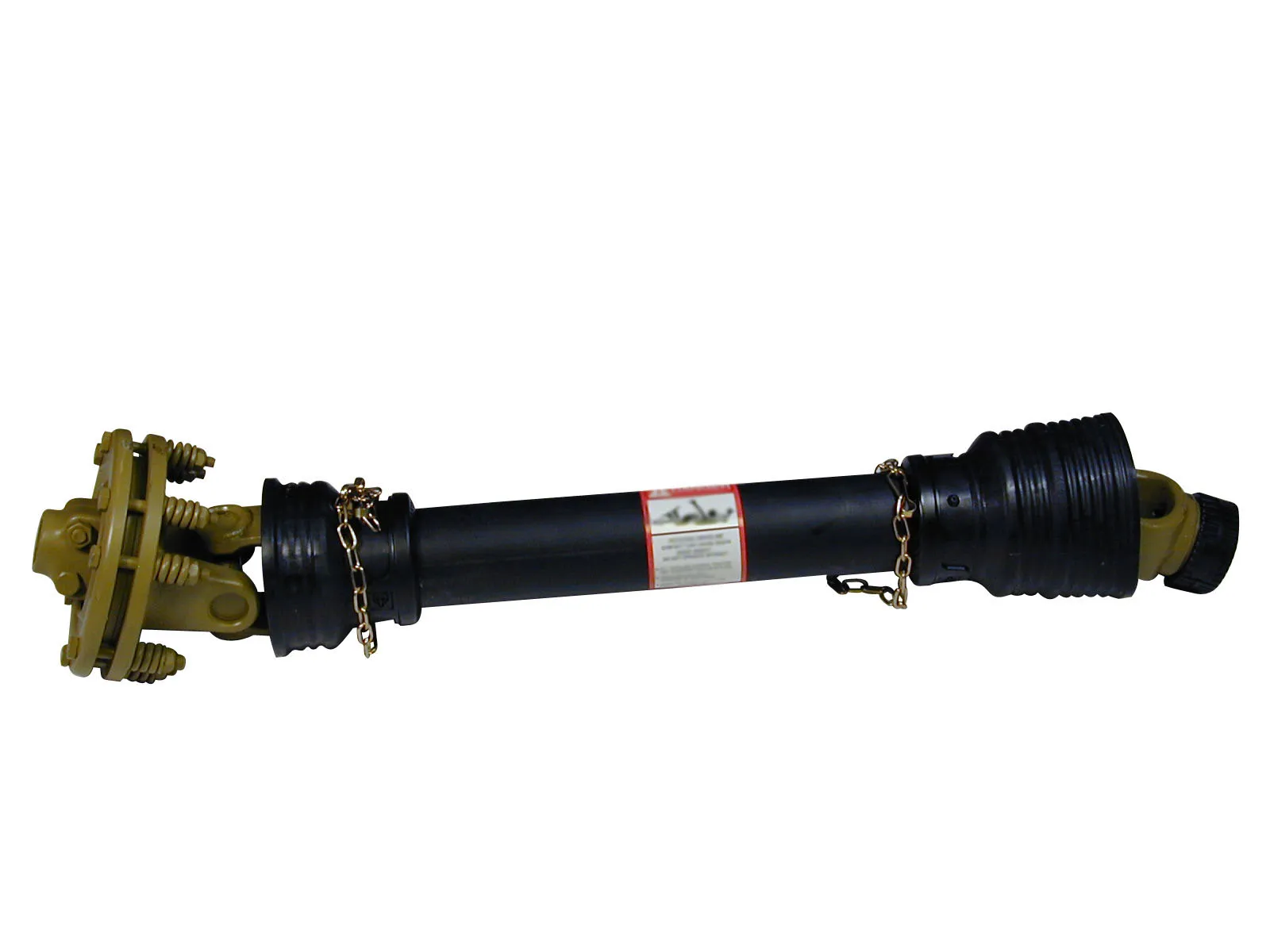
PTO Drive Shafts
High-torque PTO Shaft assemblies with wide-angle universal joints, safety covers, and shear-bolt protection for varied implements.
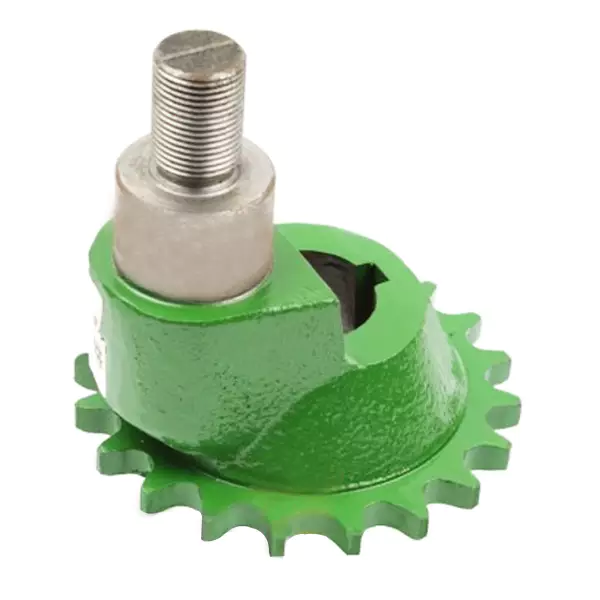
Industrial Sprockets
Precision-engineered sprocket solutions for conveyor systems and seed drills, hardened for maximum wear resistance.
FAQ
Q1: How does the hub reduction ratio impact the fuel efficiency of our farm loaders in Ukraine?
Q2: What is the expected delivery timeframe for a bulk order of agricultural gear reducers to Kyiv or Odesa?
Q3: Are these hub gearboxes compatible with synthetic lubricants preferred by large agro-holdings for extended service intervals?
Q4: How do you handle warranty and technical support for independent distributors in Eastern Europe?
Q5: Can the hub reduction unit be customized for loaders with unique hydraulic motor mounting patterns?
Q6: What specific anti-corrosion treatments are applied to gearboxes destined for liquid manure handling applications?
Q7: Is there a cost-benefit analysis available for upgrading from standard reducers to hub reduction systems?
Q8: How does the internal wet brake system perform compared to traditional external dry disc brakes?
Optimize Your Agricultural Fleet Performance Today
Whether you are managing a large-scale agro-holding in Ukraine or manufacturing the next generation of farm loaders, our hub reduction gearboxes provide the reliability and torque you demand.
Editor: PXY