
1. Technical Parameters: Model SM-750 Series Gearbox
| Attribut de paramètre | Valeur de spécification | Attribut de paramètre | Valeur de spécification |
|---|---|---|---|
| Nominal Torque Capacity (Nm) | 12,500 Nm | Norme relative aux matériaux d'engrenage | Acier allié 20CrMnTi |
| Plage de rapport de réduction | 15:1 to 120:1 | Input Power Capacity (kW) | 15 – 75 kW |
| Spécifications de l'arbre d'entrée | 1 3/8″ Z6 Spline | Matériau du boîtier | HT250 High-Strength Cast Iron |
| Type d'arbre de sortie | Hollow Bore with Shrink Disc | Type de lubrification | ISO VG 320 Synthetic Oil |
| Indice d'efficacité (%) | 94% – 97% | Classe de protection | IP65 / IP66 (Optional) |
| Plage de températures de fonctionnement | -30°C to +90°C | Noise Emission Threshold | ≤ 75 dB(A) |
| Orientation de montage | Universal (Horizontal/Vertical) | Limite de puissance thermique (kW) | 45 kW (Air Cooled) |
| Type de roulement | SKF/NSK Tapered Roller | Durée de vie (L10h) | 35,000 Hours |
| Dureté de surface | HRC 58-62 | Seuil de vibration | ≤ 2.8 mm/s |
| Seal Configuration | Double Lip Nitrile/Viton | Poids (kg) | 320 – 580 kg |
| Vitesse d'entrée (tr/min) | 540 / 1000 tr/min | Tolérance de l'arbre | h6 / k6 |
| Backlash Degree | ≤ 10 arcmin | résistance à la corrosion | C4-H Standard |
| Fatigue Safety Factor | 1.85 | Oil Change Interval | 5,000 Work Hours |
| Paint Finish | Anti-corrosive Epoxy Powder | Capacité de charge radiale | 85,000 N |
| Capacité de charge axiale | 42,000 N | Conformité à la certification | CE / ISO 9001 |

2. Extreme Operating Conditions Field Study: The Mushroom Belt
Ukraine’s mushroom sector has evolved significantly, with modern facilities demanding equipment that can operate in temperatures ranging from -20°C in winter to +35°C in summer. In regions like Poltava, the substrate mixing process is often exposed to the elements, requiring a Substrate Mixer Gearbox with an IP66 or higher protection rating. The chemical nature of the compost—highly alkaline due to gypsum and nitrogen-rich from manure—creates an aggressively corrosive atmosphere. Our field study in the Kyyiv region showed that gearboxes without specialized surface treatments suffered from housing oxidation within 18 months. Consequently, our current designs for the Ukrainian market utilize electro-static epoxy coatings and Viton dual-lip seals to prevent ingress of moisture and fine straw particulates.
Furthermore, the physical characteristics of Ukrainian wheat straw, known for its high cellulose density, require more aggressive mixing cycles. This puts a significant strain on the agricultural gear reducer, where shock loads can occur if the mixture becomes overly dry or if foreign objects (like stones or metal scraps from the field) enter the mixer. Our engineering team has implemented a higher safety factor (S.F. ≥ 2.0) for all gearboxes destined for this market, ensuring that the gears can absorb these intermittent energy spikes without tooth chipping or bearing fatigue. This localized adaptation is what separates a generic agricultural gearbox from a purpose-built industrial solution.
3. Core Working Principles and Mechanical Dynamics
The Substrate Mixer Gearbox functions as the primary torque amplifier between the electric or hydraulic motor and the mixing paddles. Its internal architecture usually consists of a planetary or multi-stage helical gear arrangement. The primary challenge in substrate mixing is the “viscous drag” effect. As the water content is added to the dry straw and manure, the resistance increases exponentially. A standard agricultural gear reducer without proper torque curve management would stall or suffer from thermal runaway. Our design utilizes a high-contact ratio gear profile, which ensures that at least 2.5 teeth are in mesh at any given time, distributing the load and reducing the stress on individual gear teeth.
Precision lubrication is another pillar of our design philosophy. In a substrate mixer, the gearbox often operates in a tilted or vertical position. This can lead to dry-start conditions for the upper bearings. To counter this, we have integrated internal oil channels and splash-guards that maintain a consistent oil film even at low speeds. The use of magnetic drain plugs is standard in our agricultural gearbox units for mushroom equipment, allowing for the capture of microscopic ferrous particles before they can cause abrasive wear on the precision-ground gear surfaces. This attention to detail ensures that the transmission remains reliable through thousands of mixing cycles, providing the consistent material homogeneity required for high-yield mushroom flushes.
4. Regional Compliance and International Safety Standards
Operating in Ukraine requires strict adherence to both local DSTU standards and the broader European Union directives, as many Ukrainian mushroom producers export their products to the EU. The Substrate Mixer Gearbox must comply with the CE Machinery Directive 2006/42/EC, which mandates specific safety factors for drive components and guard designs. Furthermore, for our clients in Brazil, we ensure compliance with INMETRO standards, while Indian installations follow CMVR requirements. These global benchmarks are not just legal hurdles; they are blueprints for building safer, more reliable agricultural manufacturer products.
In addition to safety, environmental compliance is becoming paramount. In Canada’s mushroom-growing regions like Ontario and British Columbia, lubricants used in agricultural machinery must often be biodegradable if there is a risk of contact with the substrate. We offer the Substrate Mixer Gearbox pre-filled with food-grade or eco-safe synthetic oils that meet these stringent requirements. Understanding the crop-specific seasons, such as the intense summer harvest in Nigeria or the dry-season irrigation needs in Kano, allows us to calibrate the thermal cooling capacity of our gearboxes to match the ambient environment, ensuring that the agricultural gear reducer never reaches its critical temperature limit during 24/7 industrial operations.
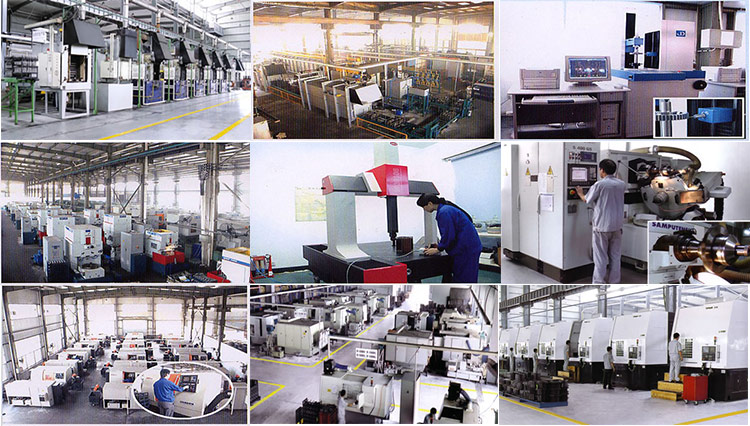
5. Engineer’s Perspective: Design Philosophy and Iterative Innovation
Field Note from Chief Engineer (Transmission Div.): “When we first looked at the substrate mixing facilities in Ukraine, we noticed a recurring failure mode: bearing pitting caused by vibration harmonics. The mixers used there were large—over 30 cubic meters. Traditional agricultural gearboxes simply weren’t designed for the resonant frequencies of such large mixing vanes. We went back to the drawing board and utilized Finite Element Analysis (FEA) to redesign the gearbox housing. By adding structural ribbing and switching to HT250 cast iron, we shifted the natural frequency of the unit away from the operational RPM of the mixer. The result? A 40% reduction in measured vibration and a significant increase in the lifespan of the tapered roller bearings. Innovation isn’t just about a new material; it’s about solving the invisible problems that stop a customer’s production line.”
Beyond structural integrity, our innovation extends to the “Smart Gearbox” initiative. We are currently testing integrated vibration and temperature sensors that can feed data directly to a farmer’s smartphone via an IoT bridge. For a mushroom producer, knowing that the Substrate Mixer Gearbox is running 10 degrees hotter than usual can be the early warning sign of a bearing failure or an oil leak. This proactive approach to maintenance is essential for large-scale agricultural manufacturers who cannot afford downtime during the critical phase of substrate inoculation.
Comparative Analysis: Why Our Gearboxes Outperform Industry Peers
When comparing our Substrate Mixer Gearbox to well-known brands such as Comer, Bondioli & Pavesi, or Walterscheid, several key distinctions emerge. While these brands offer excellent general-purpose agricultural gearboxes, our specialization in substrate mixing allows for more targeted engineering. Many competitors use standard aluminum housings for smaller units, which we avoid in favor of high-grade cast iron to handle the abrasive environment of composting. Furthermore, our gear teeth are ground to a DIN 5-6 precision class, whereas many standard agricultural units stop at DIN 8. This precision reduces friction, lowers heat generation, and significantly extends the life of the agricultural gear reducer.
Clause de non-responsabilité: All brand names, trademarks, and model numbers (such as John Deere, Massey Ferguson, Comer, etc.) mentioned in this document are for reference and compatibility identification purposes only. Our products are engineered as high-performance alternative replacements and are not manufactured or endorsed by the original equipment manufacturers (OEMs).

6. Compatibility and Versatile Replacement Options
Our gearboxes are designed with universal mounting interfaces that allow them to replace units on a wide variety of mushroom substrate mixers and other agricultural machinery. We provide drop-in replacements for models used on brands such as:
- Christiaens Group (Compost Mixers)
- GTL Europe (Substrate Processing)
- Hoving Holland (Mixing Systems)
- Fancom (Climate & Feed Systems)
- John Deere (PTO Drive adaptors)
- Kuhn (Large volume mixers)
- Siloking (Feed/Substrate Mixers)
- Trioliet (Stationary mixing units)
By offering a wide range of output shaft diameters and spline counts (including standard pto gearbox 1 3/8″ Z6 and Z21), we ensure that integrating our agricultural gear reducer into your existing production line is a seamless process. This flexibility is crucial for Ukrainian farms that may be operating a mix of European and domestic machinery.

7. Customer Success Stories: From the Field
Cas 1 : Ukraine (région de Kyiv)
Client: Commercial Champignon Farm
Problem: Frequent failure of OEM gearboxes due to moisture ingress during high-pressure cleaning.
Solution: We replaced their units with our IP66-rated Substrate Mixer Gearbox featuring specialized labyrinth seals.
Retour: “The new drive has survived two full seasons without an oil change or seal failure. The downtime savings have been incredible.”
Case 2: Poland (Greater Poland Voivodeship)
Client: Industrial Compost Manufacturer
Problem: Gear teeth breakage when mixing heavy, wet straw bundles.
Solution: Upgraded to a 12,000 Nm agricultural gear reducer with carburized gears.
Retour: “Finally, a gearbox that doesn’t scream under load. The power transfer is smooth even when the mixer is at 100% capacity.”
Case 3: Netherlands (Limburg)
Client: Mushroom Substrate R&D Center
Problem: Need for precise speed control and low noise for laboratory conditions.
Solution: Installed a precision-ground helical Substrate Mixer Gearbox with a 100:1 ratio.
Retour: “The quietest industrial gearbox we’ve ever operated. Perfect for our indoor testing facility.”
Case 4: USA (Pennsylvania)
Client: Kennett Square Mushroom Cooperative
Problem: Thermal overheating during continuous 24-hour mixing cycles.
Solution: Custom-built gearbox with external cooling fins and high-thermal-capacity synthetic oil.
Retour: “Temperature readings are consistently 15% lower than our previous units. Great for our high-intensity schedule.”
Case 5: China (Zhejiang Province)
Client: Shiitake Substrate Processing Plant
Problem: Shaft shearing on high-speed mixers.
Solution: Reinforced output shafts made from 42CrMo4 steel.
Retour: “The reliability is top-notch. We’ve shifted our entire factory to these gearboxes.”
8. Signs Your Substrate Mixer Gearbox Needs Replacement
In the intensive world of agricultural substrate production, recognizing the early warning signs of gearbox failure can save thousands in lost product. One of the most common signs is an increase in operational noise—specifically a high-pitched whine or a rhythmic grinding sound, which usually indicates bearing wear or gear misalignment. Another critical indicator is oil discoloration or the presence of metallic flakes in the lubricant; this is a clear sign that the internal hardened surfaces are starting to flake off. Furthermore, if you notice excessive heat (the housing is too hot to touch for more than a second), your agricultural gear reducer is likely suffering from internal friction or inadequate lubrication. Finally, any visible oil leakage around the input or output shafts means the seals have failed, potentially allowing the substrate to enter and destroy the gear teeth.
9. One-Stop Shop for Agricultural Transmission Components
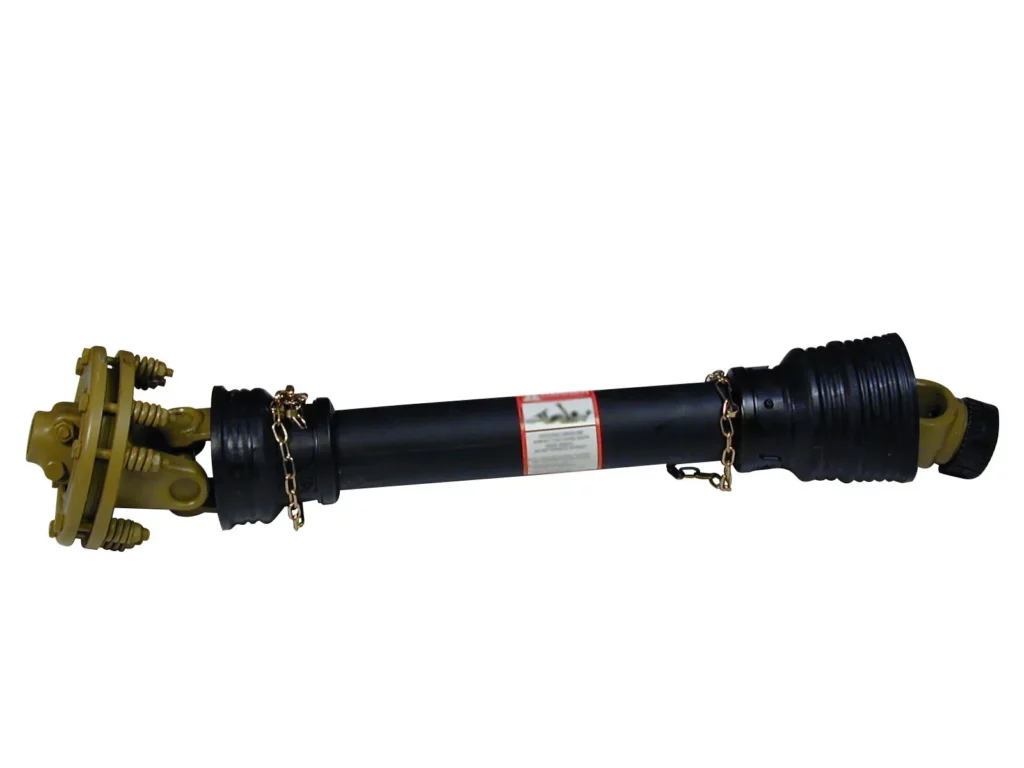
Arbres de transmission de prise de force
Our heavy-duty PTO shafts come with safety shields and telescopic joints, perfect for powering mobile substrate mixers in any terrain.
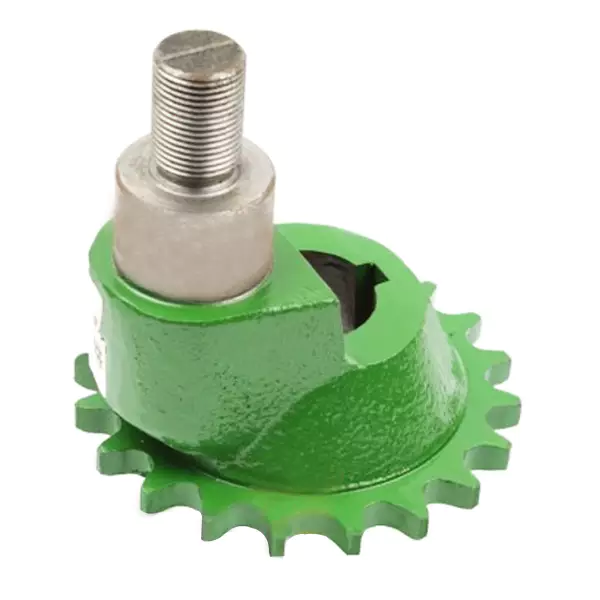
Pignons de précision
High-strength pignons and gears for auxiliary drive systems in mushroom processing plants.
Chaînes industrielles
Full range of transmission chains for substrate conveyor systems, ensuring a seamless flow of materials.

Foire aux questions (FAQ)
Q1: How do I choose the correct torque rating for my mushroom substrate mixer?
A1: Selecting the right agricultural gear reducer involves calculating the peak load when the substrate is at its maximum moisture and density. We recommend using a service factor of at least 2.0 to account for the heavy starting torque and potential shock loads found in industrial mushroom production.
Q2: What type of lubrication is best for gearboxes operating in Ukrainian winters?
A2: For regions like Kyiv where temperatures drop significantly, we recommend a high-quality synthetic ISO VG 320 oil. Synthetic oils maintain a stable viscosity across a wider temperature range, ensuring that the Substrate Mixer Gearbox is protected during cold starts without losing efficiency at high operating temperatures.
Q3: Can your agricultural gearbox replace a Walterscheid or Comer unit on a mixer?
A3: Yes, our gearboxes are designed as compatible replacements for major European brands. We provide detailed mounting dimensions and shaft specifications to ensure that our agricultural gear reducer fits your existing equipment with minimal modifications.
Q4: Why is the IP rating so important for mushroom substrate mixers?
A4: Mushroom farms are extremely humid and often dusty environments. An IP66 rating on our Substrate Mixer Gearbox ensures that neither high-pressure water jets nor fine straw particles can penetrate the housing, which is the leading cause of internal gear failure and oil contamination.
Q5: How often should I change the oil in my heavy-duty agricultural gearbox?
A5: For industrial substrate mixing, we recommend an initial oil change after the first 50-100 hours of “break-in” time, followed by regular intervals of 2,500 to 5,000 work hours, depending on the load intensity and environmental conditions.
Q6: What makes a planetary gearbox better than a worm gearbox for mixing?
A6: Planetary gearboxes offer much higher torque density and efficiency (up to 97%). In a Substrate Mixer Gearbox, this means more power is delivered to the mixing paddles with less energy lost as heat, which is vital for the 24/7 duty cycles of mushroom composting.
Q7: Are your gearboxes compliant with the EU Machinery Directive for export?
A7: Absolutely. Every agricultural gearbox we manufacture for the international market carries the CE mark and meets or exceeds the safety requirements laid out in the 2006/42/EC directive, ensuring full compliance for our Ukrainian and European clients.
Q8: Do you provide customized output shafts for specific Ukrainian mixing machinery?
A8: Yes, as a flexible agricultural manufacturer, we can customize shaft lengths, diameters, and spline types (like DIN or ANSI standards) to match the unique requirements of your domestic or imported machinery.
Éditeur : PXY