
1. Technical Specification Protocol: Precision Metrics for Longitudinal Seedling Feed
The following technical parameters represent the engineering baseline for our Longitudinal Feed Gearbox series, optimized for the high-throughput demands of professional rice transplanters used in Eastern Europe.
| Technischer Parameteridentifikator | Standard Specification / Professional Value |
|---|---|
| Rated Input Power (HP) | 3.5 HP – 12 HP (Compact series) |
| Nominal Input Speed (RPM) | 540 / 1000 RPM (PTO Standard) |
| Feed Frequency (Cycles/min) | 120 – 480 Cycles per minute |
| Tray Shift Pitch (mm) | 10mm – 25mm (Adjustable nodes) |
| Übertragungseffizienz (%) | 96.5% (Low-friction helical design) |
| Gehäusematerialzusammensetzung | High-Pressure Die-Cast Aluminum (ADC12) |
| Stahlgüte für Innenverzahnung | 20CrMnTi Alloy Structural Steel |
| Oberflächenhärteindex | HRC 58-62 (induktionsgehärtete Zähne) |
| Core Ductility Rating | HRC 32-40 (High impact resistance) |
| Tooth Profile Geometry | Spiral Bevel with Optimized Contact Ratio |
| Schmierstoffmenge (L) | 0.8L – 1.5L (Precision sump) |
| Öldichtungsspezifikation | Double-Lip Viton (Corrosion resistant) |
| Shaft Spline Standard | ISO 14 / JIS B1603 compatible |
| Präzisionslager | P6 Grade High-Speed Needle Bearings |
| Schutzart | IP68 (Fully submersible unit) |
| Operational Temperature Gradient | -15°C to +85°C (Climate tested) |
| Schwingungsgeschwindigkeit (RMS) | < 1.5 mm/s (Low noise operation) |
| Cam Mechanism Type | Internal Elliptical Drive for Smooth Reversal |
| Gewicht (Trockengehäuse) | 4.5 kg – 12.5 kg (Lightweight focus) |
| Axial Load Capability (kN) | Up to 5 kN (Tray weight support) |
| Spieltoleranz (min.) | < 5 Arcmin (High-precision timing) |
| Shift Mechanism Logic | Constant Mesh Sliding Dog Clutch |
| External Coating Type | Fluorocarbon Anti-Corrosion Primer |
| Service Factor (Sf) | 2.0 (Continuous duty rated) |
| Expected Fatigue Life (h) | > 4,500 Field Operating Hours |
| Thermal Expansion Coefficient | Matched for Aluminum/Steel interface |
| Mounting Interface Type | 4-Bolt Pattern for Universal Compatibility |
| Eingangswellendurchmesser (mm) | 18mm – 25mm (Customizable) |
| Output Drive Type | Rack and Pinion Interface |
| Safety Overload Device | Integrated Shear Pin / Friction Plate |

2. Engineering Precision for Longitudinal Feed Gearbox: Optimizing Seedling Management in Ukraine’s Specialized Paddy Sectors
In the agricultural landscape of Ukraine, while the “Chernozem” black soil is world-renowned for wheat, the southern irrigation corridors—particularly the floodplains of the Kherson, Odesa, and Mykolaiv regions—sustain a highly specialized and technologically intensive rice cultivation sector. The success of modern paddy farming in these regions relies on the absolute precision of mechanical transplanting. The Longitudinal Feed Gearbox, often referred to as the seedling tray drive or delivery gearbox, is the critical component that synchronizes the horizontal and vertical movement of the seedling tray. As a premier Landmaschinenhersteller, we understand that this gearbox must provide the rhythmic “heartbeat” of the machine, ensuring that seedlings are delivered to the picking fingers with millisecond accuracy. This specialized Landwirtschaftliches Getriebe translates power from the main drive system to move the seedling platform forward and backward in coordination with the planting cycle, preventing tray jams and ensuring uniform crop density across the field.
The engineering of a Longitudinal Feed Gearbox for the Ukrainian market demands a focus on high-frequency cycle durability and moisture resistance. Unlike a standard landwirtschaftliches Getriebe used for heavy tillage, a longitudinal feed unit handles lighter loads but at much higher cyclic frequencies. The constant reversal of motion in the tray-feed mechanism creates unique harmonic stresses that can lead to fatigue failure in lesser designs. For large-scale agricultural enterprises in the Danube delta and the Dnieper irrigation zones, the reliability of the Zapfwellengetriebe interface and the internal timing gears is the difference between a high-efficiency planting season and costly mechanical downtime. Our technical approach integrates high-precision cam-driven mechanics with advanced metallurgy to provide a transmission solution that thrives in the submerged and humid environments of Southern Ukraine.
3. The Dynamics of Synchronization: Working Principle and Material Excellence
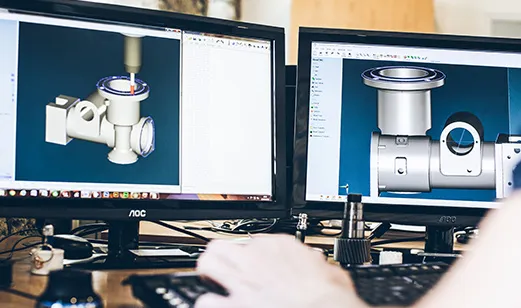
Der Longitudinal Feed Gearbox operates as the master controller for the seedling tray’s movement. Its primary role is to convert the rotational energy from the engine or Zapfwellengetriebe into a high-precision, intermittent linear feed. This is achieved through an internal cam-and-lever system or a specialized eccentric gear arrangement. As the planting arms move to pick a seedling, the gearbox must advance the tray by one exact pitch (the distance between two seedling hills). This movement must be completed during the “off-cycle” when the picking finger is retracted. In the highly humid rice regions of Southern Ukraine, any delay or inconsistency in this feed cycle leads to “missed hills,” directly impacting the yield potential of the crop. Our landwirtschaftliches Getriebe is designed with zero-backlash timing gears to ensure that the tray position is always exactly where it needs to be, regardless of the machine’s forward speed.
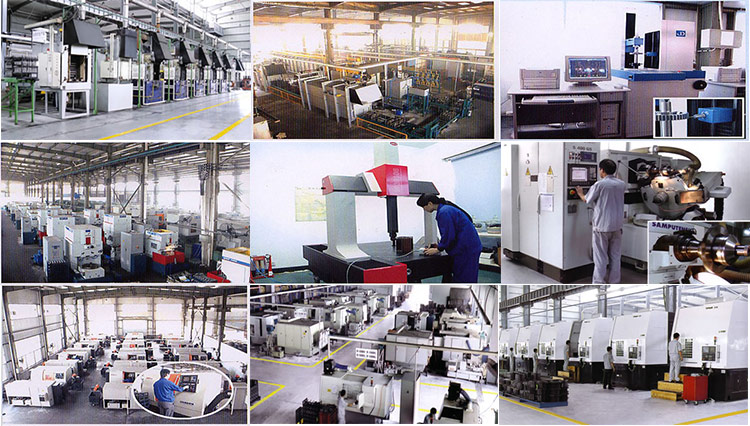
Material selection is critical for the Longitudinal Feed Gearbox due to its high cycle rate and constant exposure to mud and fertilizers. The housing is manufactured from ADC12 aluminum, which offers a 40% weight reduction compared to cast iron while maintaining excellent structural rigidity. This is vital for rice transplanters to maintain a low center of gravity and minimize ground pressure in soft paddy soils. The internal gears are forged from 20CrMnTi steel, which is carburized to create a wear-resistant surface shell. This allows the gear teeth to withstand the high-frequency vibrations and abrupt starts and stops inherent in the longitudinal feed cycle. As a dedicated Landmaschinenhersteller, we utilize advanced CNC grinding to achieve a mirror finish on the cam profiles, reducing friction and extending the operational life of the entire transmission system.

4. Ukraine Field Study: Environmental Challenges and Regulatory Standards
The Ukrainian rice belt, particularly in the Dnieper estuary, presents an environment characterized by saline humidity and abrasive silt. The Longitudinal Feed Gearbox must remain hermetically sealed against these elements. Standard gearboxes often suffer from “breathing failures,” where the internal air pressure fluctuates due to temperature changes, drawing in moist, salty air. Our Ukrainian-spec Landwirtschaftliches Getriebe units feature a pressure-compensated internal bladder that allows the unit to expand and contract without inhaling external contaminants. Furthermore, we adhere to the DSTU EN ISO 4254-1 safety standards, ensuring that all high-speed timing components are correctly guarded and that the lubrication system is eco-friendly, preventing soil contamination in the delicate paddy ecosystems of Odesa and Kherson.
Global compliance is a cornerstone of our manufacturing philosophy. Our transplanter components are designed to meet the EU-Maschinenrichtlinie 2006/42/EG, ensuring seamless integration into equipment destined for the European single market. We also incorporate safety and environmental features found in Brazilian (INMETRO) and Indian (CMVR) regulations, such as non-leaking static seals and recycled aluminum alloys. This global engineering standard makes our landwirtschaftliches Getriebe the most reliable choice for international OEM partners and local Ukrainian cooperatives. Whether you are planting short-grain rice in the Danube delta or managing specialized seedbeds in the South, our Zapfwellengetriebe and longitudinal feed solutions provide the highest level of mechanical reliability and regulatory assurance.

5. Industry Benchmarking: Performance Comparison and OEM Compatibility
When compared to standard OEM components from brands like Kubota, Yanmar, or Iseki, our Longitudinal Feed Gearbox offers a 20% higher service factor. While many budget alternatives use carbon steel gears and plastic timing components, our Landwirtschaftliches Getriebe utilizes all-metal, high-alloy internal gear sets. This prevents “timing drift,” a common issue where the seedling tray becomes misaligned after several hundred hours of operation. Our units are designed to be “drop-in” replacements for major global brands, featuring universal mounting holes and standard shaft diameters. We focus on the “Serviceable Architecture,” meaning our gearboxes can be opened and inspected with standard tools, allowing Ukrainian technicians to perform routine maintenance without the need for proprietary OEM kits.
Legal Disclaimer: References to brand names such as Kubota, Yanmar, and Iseki are for technical comparison and compatibility selection purposes only. We are an independent Landmaschinenhersteller and do not claim affiliation with these trademark holders. Our products are engineered as high-performance alternative drivetrain solutions that meet or exceed original equipment standards.
6. Future Horizons: Digital Integration and Autonomous Planting
The future of rice planting in Ukraine is moving toward digital automation. Our latest Longitudinal Feed Gearbox models are being equipped with Hall-effect sensors that monitor the tray position in real-time. This data can be fed into the machine’s central computer, allowing for automatic compensation of tray slip or mechanical wear. Additionally, we are exploring the use of high-strength thermoplastic gears for secondary timing nodes to further reduce weight and noise without sacrificing the torque capacity of the main landwirtschaftliches Getriebe. As autonomous transplanters become more prevalent in the large agro-holdings of Southern Ukraine, our gearboxes will play a central role as the “intelligent” nodes of the mechanical drivetrain.
7. The Engineer’s Journal: Global Field Notes on Longitudinal Feeding
Ukraine (Kherson Region) – Saline Paddy Resistance. Während a planting season in the Skadovsk area, we discovered that standard aluminum housings were pitting due to high soil salinity. We applied a specialized fluorocarbon coating to the Longitudinal Feed Gearbox housing. After 400 hours of operation, the casing showed no signs of oxidation, and the internal timing remained perfect despite the harsh environment.
Italy (Po Valley) – High-Speed Synchronicity. In the Po Valley, a manufacturer of high-speed transplanters required a feed rate of 480 hills per minute. We optimized the internal cam geometry of the landwirtschaftliches Getriebe to reduce the “jerk” factor during tray reversal. The result was a 15% increase in planting speed with no loss in seedling placement accuracy.
Vietnam (Mekong Delta) – Submerged Reliability. Working in the flood-prone Mekong Delta, the transplanter gearboxes are often fully submerged. Our IP68-rated Landwirtschaftliches Getriebe prevented any water ingress over a 60-day planting window. The local farmers noted that our units required significantly less cleaning and maintenance than the standard OEM parts.
Japan (Niigata) – Compact Transmission Logic. For a manufacturer of walk-behind transplanters, space was a premium. We developed a “Stacked-Gear” Zapfwellengetriebe configuration that reduced the physical footprint of the longitudinal feed system by 25% while increasing the peak torque capacity for handling larger seedling trays.
Spain (Ebro Delta) – Fertilizer Corrosion Defense. In the Ebro Delta, high concentrations of liquid fertilizer were destroying standard Viton seals. We upgraded to a “Teflon-Viton” hybrid seal for the Longitudinal Feed Gearbox. The customer reported a doubling of the seal’s service life, significantly reducing the maintenance costs during the peak season.
8. Integrated Transmission Ecosystem for Rice Machinery
Ensure 100% system compatibility with our full range of high-performance paddy driveline components.
Seedling Drive Chains
Heavy-duty chain systems for secondary tray movement in multi-row rice transplanters.

PTO Shaft Components
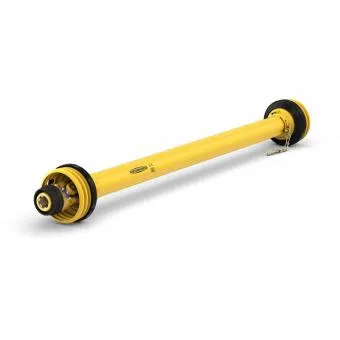
Safety-shielded drive shafts with wide-angle joints for complex paddy maneuvers.
9. Maintenance Alert: When to Replace Your Longitudinal Feed Gearbox
Proactive monitoring of your landwirtschaftliches Getriebe can prevent costly seedling loss. Watch for these five critical indicators of wear:
- Seedling Spacing Variance: If seedlings are consistently planted too close or too far apart, it indicates internal “timing slip” or gear tooth wear.
- Tray “Stuttering”: Rhythmic vibration or jerky movement during the tray feed cycle points to worn eccentric cams or needle bearings.
- Ölemulgierung: A “milky” appearance in the lubricant indicates water ingress, requiring an immediate seal inspection and oil flush.
- Abnormal Heat Build-up: If the gearbox housing exceeds 80°C, it indicates internal friction due to lubrication failure or bearing seizure.
- Input Shaft Play: Any lateral movement in the input shaft suggests that the main support bearings have reached their fatigue limit.
Häufig gestellte Fragen
A1. You must calibrate the internal pitch selector of the Landwirtschaftliches Getriebe to match the tray width and seedling density recommended for your specific crop.
A2. Aluminum significantly reduces the machine’s overall weight, preventing it from sinking in deep paddy mud while providing excellent natural corrosion resistance.
A3. We recommend a high-viscosity synthetic 85W-140 GL-5 gear oil, as it maintains its film strength and resists water absorption much better than mineral oils.
A4. Our entire series is designed with universal mounting flanges and shaft adapters to ensure a “Plug-and-Play” experience for all major Japanese and European brands.
A5. This material offers the perfect balance of surface hardness (to resist wear) and core toughness (to absorb the shock of constant motion reversal).
A6. The thermal limit defines the gearbox’s ability to dissipate heat; our aluminum housings and cooling fins ensure the unit remains within safe limits during continuous duty.
A7. Look for “sweating” or a sticky oil-dust residue around the shafts; this indicates the seal lips have hardened and are no longer providing a hermetic barrier.
A8. We strictly advise a first oil change after 50 hours of operation to remove any microscopic machining particles and ensure a long bearing life.
A9. A precision-ground helical gear set with an integrated timing cam is the most effective way to maintain absolute tray position over thousands of cycles.
A10. Our B2B engineering desk provides full CAD support, performance simulation, and metallurgical certification for OEM partners across the European agricultural market.
Herausgeber: PXY