
وصف المنتج
Competitive Factory Price 10 to 1 Ratio Cycloidal Gearbox
< حول تيلي
البيانات الفنية
| اسم المنتج | Competitive Factory Price 10 to 1 Ratio Cycloidal Gearbox |
| قوة | 0.18KW~90KW |
| عزم الدوران | 120Nm~30000Nm |
| Running direction | Forward and reverse |
| مادة التروس | Cast iron |
| Noise test | أقل من 65 ديسيبل |
| ماركة محامل | C&U bearing, ZWZ, LYC, HRB, CHINAMFG , etc |
| ماركة مانع تسرب الزيت | ناك أو علامة تجارية أخرى |
| ارتفاع درجة الحرارة (الحد الأقصى) | 40 درجة مئوية |
| ارتفاع درجة حرارة الزيت (الحد الأقصى) | 50 درجة مئوية |
| اهتزاز | ≤20 ميكرومتر |
| صلابة السكن | HBS190-240 |
| زيت التشحيم | GB L-CKC220-460، Shell Omala220-460 |
| المعالجة الحرارية | الكربنة، التبريد السريع، إلخ |
| كفاءة | 90% (depends on the transmission stage) |
| Installation type | Foot plate horizontal installation, flange type vertical installation; |
| Input method | مدخل شفة (AM)، مدخل عمود (AD)، مدخل محرك تيار متردد مدمج، أو محرك سيرفو AQA |
تعليمات التركيب
نبذة عن الشركة
ورشة عمل
< مراقبة الجودة
الشهادات
التعبئة والتغليف والشحن
التعليمات
س1: هل أنتم شركة تجارية أم شركة مصنعة؟
ج: نحن شركة تصنيع محترفة متخصصة في تصنيع سلاسل مختلفة من المخفضات.
س ٢: هل يمكنك القيام بتصنيع المعدات الأصلية (OEM)؟
ج: نعم، نستطيع. يمكننا تصنيع المعدات الأصلية لجميع العملاء. إذا كنت ترغب في طلب مخفضات سرعة غير قياسية، فيرجى تقديم الرسومات والأبعاد والصور والعينات إن أمكن.
س 3: ما هي مدة الضمان؟
ج: ضماننا هو 12 شهرًا في الظروف العادية.
س 4: هل لديكم إجراءات فحص للمخفض؟
A:100% الفحص الذاتي قبل التعبئة.
س 5: هل يمكنني زيارة مصنعكم قبل تقديم الطلب؟
ج: بالتأكيد، أهلاً وسهلاً بكم لزيارة مصنعنا.
س 6: كيف أختار علبة التروس؟ ماذا لو لم أكن أعرف أي مخفض سرعة أحتاج؟
ج: يمكنك الرجوع إلى كتالوجنا لاختيار علبة التروس، أو يمكننا مساعدتك في الاختيار عند تزويدنا بالمعلومات الفنية المتعلقة بعزم الدوران المطلوب، وسرعة الخرج، ومواصفات المحرك، وما إلى ذلك. لا تقلق، أرسل أكبر قدر ممكن من المعلومات، وسيساعدك فريقنا في العثور على ما تبحث عنه.
س 7: ما المعلومات التي يجب أن نقدمها قبل تقديم طلب الشراء؟
أ: أ) نوع علبة التروس، الحجم، نسبة النقل، نوع المدخل والمخرج، شفة الإدخال، موضع التركيب، معلومات المحرك، انحراف العمود، إلخ. ب) لون الهيكل. ج) كمية الشراء. د) متطلبات خاصة أخرى
س 8: ما هي شروط الدفع؟
ج: يمكنك الدفع عن طريق التحويل المصرفي (30% مقدماً كدفعة مقدمة قبل الإنتاج + 70% قبل التسليم)
/* 22 يناير 2571 19:08:37 */!function(){function s(e,r){var a,o={};try{e&&e.split(“,").forEach(function(e,t){e&&(a=e.match(/(.*?):(.*)$/))&&1
| طلب: | Motor, Machinery, Agricultural Machinery |
|---|---|
| وظيفة: | توزيع الطاقة، تغيير عزم الدوران، تغيير السرعة، تخفيض السرعة |
| تَخطِيط: | Cycloidal |
| التخصيص: |
متاح
| طلب مخصص |
|---|
.shipping-cost-tm .tm-status-off{background: none;padding:0;color: #1470cc}
|
تكلفة الشحن:
تكلفة الشحن المقدرة لكل وحدة. |
بخصوص تكلفة الشحن ووقت التسليم المتوقع. |
|---|
| طريقة الدفع: |
|
|---|---|
|
الدفعة الأولى الدفع الكامل |
| عملة: | US$ |
|---|
| سياسة الإرجاع والاسترداد: | يمكنك التقدم بطلب استرداد الأموال حتى 30 يومًا بعد استلام المنتجات. |
|---|
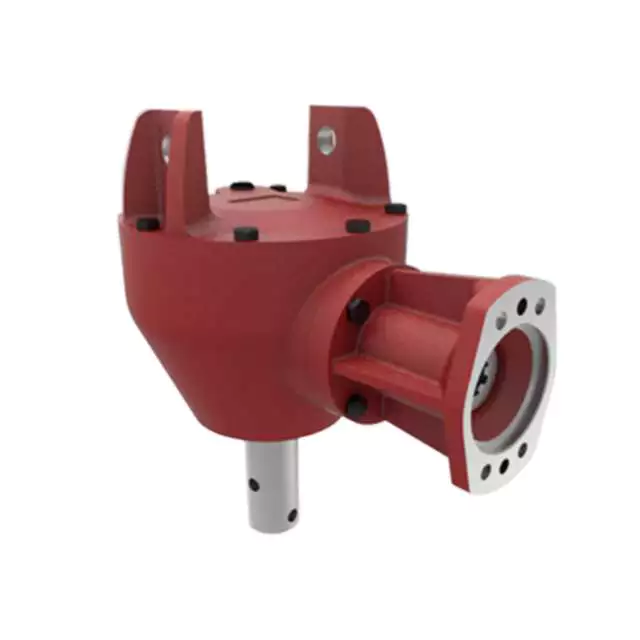
Case Studies: Successful Implementations of Agricultural Gearboxes
Several case studies highlight the successful integration of agricultural gearboxes in farming machinery:
- Case Study 1: Tractor Versatility
A farm in the Midwest implemented tractors equipped with adjustable gearboxes. The gearboxes allowed the tractors to seamlessly switch between plowing, planting, and harvesting tasks. The ability to customize speed and torque ratios improved efficiency and reduced the need for multiple machines.
- Case Study 2: Orchard Management
An orchard in California utilized specialized gearboxes in its mechanized harvesters. These gearboxes facilitated controlled movement and precise positioning of the harvesters among trees. The adaptability of the gearboxes enabled the harvesters to navigate the orchard’s uneven terrain while minimizing damage to trees and fruit.
- Case Study 3: Precision Planting
A farm in Europe integrated precision planting machinery with gearboxes that offered adjustable gear ratios. This allowed for precise control over seed placement and depth. The gearboxes played a vital role in achieving uniform crop emergence and optimizing seed-to-soil contact.
- Case Study 4: Multi-Tasking Implements
A farming cooperative in Australia utilized multi-tasking implements equipped with versatile gearboxes. These implements could seamlessly switch between tasks such as plowing, harrowing, and fertilizing. The gearboxes’ ability to manage torque and speed ratios ensured optimal performance across various tasks.
- Case Study 5: Soil Conservation
A farm in Africa adopted gearboxes in its soil conservation practices. By attaching specialized implements with adjustable gearboxes to their tractors, the farm effectively controlled soil erosion and improved water infiltration rates. The gearboxes allowed for precise adjustments based on soil type and slope.
These case studies illustrate the impactful role of agricultural gearboxes in enhancing efficiency, versatility, and productivity across a spectrum of farming applications.
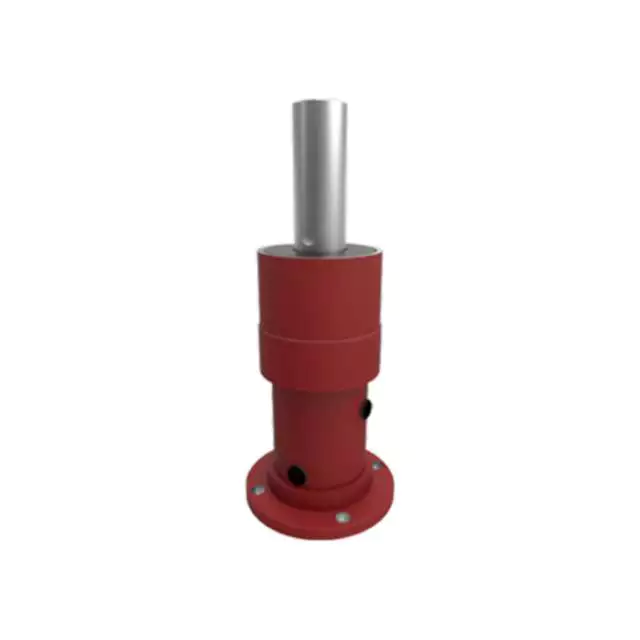
Common Signs of Gearbox Wear and Their Solutions
Gearboxes, like any mechanical components, can experience wear over time due to factors such as friction, load, and operating conditions. Recognizing the common signs of gearbox wear is essential for timely maintenance and avoiding potential breakdowns. Here are some signs to watch out for and the solutions to address them:
- Unusual Noises: Grinding, clicking, or whining noises during operation can indicate worn gears or bearings. Inspect the gearbox for damaged teeth or inadequate lubrication. Replace damaged components and ensure proper lubrication.
- Increased Vibration: Excessive vibration suggests misalignment or imbalance within the gearbox. Check for proper alignment and balance the components if necessary. Also, inspect for worn or damaged shafts or bearings.
- Leakage: Oil or lubricant leaks may indicate worn seals or gaskets. Replace seals and gaskets to prevent leakage and ensure adequate lubrication.
- Slipping Gears: Gears slipping out of engagement or difficulty shifting can point to worn or damaged gear teeth. Inspect gears for signs of wear or chipping, and replace as needed.
- Temperature Increase: Abnormal heat generation can result from increased friction due to worn parts. Check lubrication levels and quality, and replace worn bearings or gears causing excess friction.
- Decreased Performance: Reduced power transmission or output efficiency can indicate wear in the gearbox. Inspect gears, bearings, and other components for signs of wear and replace as necessary.
- Excessive Play: Excessive play or backlash in gears can indicate worn gear teeth or bearings. Inspect components for wear, adjust backlash, and replace worn parts.
Addressing gearbox wear requires routine maintenance, including proper lubrication, alignment checks, and regular inspections. Timely replacement of worn or damaged components can extend the gearbox’s lifespan and maintain optimal performance in various applications.
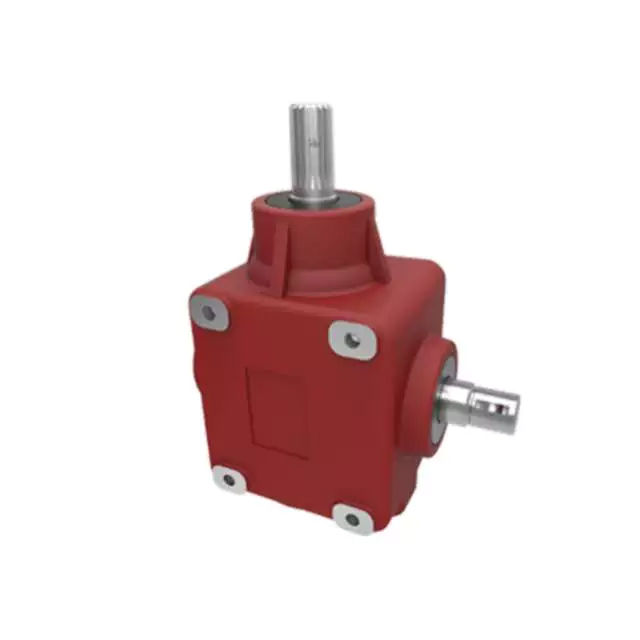
Key Features of a Durable and Reliable Agricultural Gearbox
A durable and reliable agricultural gearbox is crucial for the efficient operation of farming equipment and machinery. The following key features contribute to the durability and reliability of agricultural gearboxes:
- High-Quality Materials: Agricultural gearboxes are often exposed to harsh conditions, including dust, debris, and varying weather. Using high-quality materials, such as strong alloy steels, can enhance the gearbox’s resistance to wear, corrosion, and other forms of deterioration.
- Rugged Construction: The gearbox should have a robust and rugged construction to withstand the stresses and strains associated with agricultural tasks. Reinforced housings, precision machining, and robust seals can help prevent damage and ensure longevity.
- Effective Lubrication System: Proper lubrication is vital to reduce friction, dissipate heat, and prevent premature wear. Agricultural gearboxes should be equipped with efficient lubrication systems that ensure all components are adequately lubricated, even during extended operation.
- Sealing and Protection: Dust, dirt, and moisture are common challenges in agricultural environments. Effective sealing mechanisms, such as gaskets and seals, prevent contaminants from entering the gearbox and protect internal components from damage.
- Heat Dissipation: The gearbox should be designed to dissipate heat effectively, especially during prolonged operation. Overheating can lead to lubrication breakdown and premature wear. Cooling fins and adequate ventilation can help maintain optimal operating temperatures.
- Gear Quality and Precision: High-quality gears with accurate tooth profiles and precision manufacturing ensure smooth and efficient power transmission. Properly machined gears reduce noise, vibration, and the risk of gear failures.
- Advanced Gear Design: Some agricultural gearboxes may feature advanced gear designs, such as helical or planetary gears. These designs offer improved efficiency, reduced noise, and increased load-bearing capacity compared to traditional spur gears.
- Overload Protection: Incorporating overload protection mechanisms, such as shear pins or clutch systems, can prevent damage to the gearbox and other connected components in case of sudden high loads or jams.
- Easy Maintenance Access: The gearbox should be designed with maintenance in mind. Accessible inspection points, drain plugs, and fill ports make it easier for operators to perform routine maintenance tasks.
Manufacturers often engineer agricultural gearboxes to meet these requirements, ensuring that they can withstand the demanding conditions of farming operations and contribute to the reliable performance of agricultural machinery.


editor by CX 2024-05-16