
1. Technical Specifications: Stoker Gearbox Engineering Matrix
| Technical Parameter | Specification Range / Value | Industrial Standard Compliance |
|---|---|---|
| Rated Output Torque (Nm) | 850 Nm – 4,200 Nm | ISO 6336 / AGMA 2001 |
| Reduction Ratio Range | 1:30 to 1:1,200 (Multi-stage) | Customizable for Stoker Speed |
| Input Power Capacity (kW) | 0.18 kW – 11 kW | IEC Standard Motors |
| Housing Material | Ductile Iron (QT450-10) | ASTM A536 65-45-12 |
| Gear Material (Hardened) | 20CrMnTi (Case Hardened) | DIN 17210 |
| Case Hardness (HRC) | 58 – 62 HRC | Induction Hardening Protocol |
| Input Shaft Diameter (mm) | 14mm – 48mm | Keyed or Splined (DIN 5480) |
| Output Shaft Type | Hollow Shaft or Solid Shaft | 6-Tooth Spline / Keyed Option |
| Lubrication System | Splash Lubrication / Synthetic Oil | CLP 220 / 320 Grade |
| Oil Seal Specification | Viton (High Temperature Resistant) | FKM Standard |
| Protection Class | IP65 / IP67 (Dust & Moisture Proof) | IEC 60529 |
| Thermal Power Limit (kW) | Up to 15 kW (Without external cooling) | EN 12100 Safety Margin |
| Operating Temperature Range | -40°C to +90°C | Arctic Grade for Ukraine Winter |
| Fatigue Life (L10h) | > 25,000 Hours | Continuous Duty Cycle (S1) |
| Vibration Threshold (mm/s) | < 2.8 mm/s | ISO 10816-3 Class I |
| Efficiency Rate (%) | 88% – 96% (Depending on Stage) | High-Efficiency Worm/Helical |
| Mounting Orientation | Universal (Horizontal/Vertical) | B3, B5, V1, V5 Configurations |
| Backlash (Arcmin) | < 15 Arcmin (Standard Precision) | Precision Machining Control |
| Bearing Type | Tapered Roller Bearings (NSK/SKF) | High Axial/Radial Load Support |
| Coating / Finish | Anti-corrosive Powder Coating (Blue/Grey) | ISO 12944-2 C3/C4 |
| Drive Interface | NEMA / IEC Motor Adapter | Universal Compatibility |
| Noise Emission (dB) | < 65 dB(A) at 1 Meter | Sound Damping Geometry |
| Overload Safety Factor | SF 1.5 – 2.5 | Heavy-duty Rating |
| Sealing Technology | Double-Lip Oil Seal with Dust Cap | Biomass Dust Environment Focus |
| Spline Standard | 1 3/8″ Z6 or Z21 | PTO Compatibility |

2. Working Principle: The Mechanical Heart of the Biomass Boiler
The stoker gearbox operates at the critical interface between the fuel storage silo and the combustion chamber. In a typical Ukrainian biomass heating plant, the fuel (pellets or chips) is moved via a screw conveyor (auger). The gearbox must reduce the high-speed rotation of the electric motor to a precise, low-speed crawl—typically between 1 and 10 RPM—while amplifying the torque enough to shear through occasional oversized wood chips or compressed pellet clumps. This requires a robust internal gear geometry, often utilizing a helical-worm or planetary arrangement to handle the high radial loads exerted by the auger. The ауылшаруашылық беріліс қорабы design philosophy is applied here because the environmental conditions in a boiler room are similar to field conditions: high ambient heat, extreme dust, and the requirement for 24/7 operation during the heating months from October to April.
The functional role of the gearbox extends beyond mere rotation; it acts as a safety mechanism. By using a sheer pin or an electronic torque limiter integrated into the agricultural gear reducer, the system prevents catastrophic failure of the auger or the motor in the event of a total blockage. In regions like Poltava and Chernihiv, where biomass fuel quality can vary significantly due to moisture content, the ability of our gearboxes to provide a stable, “non-pulsing” torque delivery is essential for maintaining consistent combustion temperatures and reducing emissions, aligning with the EU-standard environmental regulations Ukraine is currently adopting.
3. Ukraine Extreme Operating Conditions Field Study: Biomass Challenges
Operating heating equipment in Ukraine presents unique challenges that standard industrial gearboxes often fail to address. Our field study across the Sumy and Zhytomyr regions has identified three primary stressors: extreme thermal cycling, fine particulate infiltration, and fuel variability. During winter, temperatures can drop to -30°C, requiring lubrication that maintains flowability (low pour point) to avoid dry-start wear. Conversely, the gearbox’s proximity to the boiler can lead to ambient temperatures exceeding 60°C. To overcome this, our stoker gearboxes utilize synthetic PAO oils and Viton seals, which maintain their integrity across a 130-degree thermal delta. This is far superior to standard NBR seals used in cheaper alternatives, which often become brittle and leak in the Ukrainian climate.
Furthermore, the biomass sector in Ukraine frequently utilizes sunflower husk pellets, which produce a fine, highly abrasive dust. This dust can act as a grinding paste if it enters the gear housing. We have engineered our agricultural manufacturer standards to include IP67-rated enclosures and labyrinth sealing paths. This “Fortress Design” ensures that even under the constant vibration of the feeding mechanism, the internal precision gears remain in a pristine oil bath. This level of engineering is what differentiates a true ауылшаруашылық беріліс қорабы from a general-purpose motor reducer when applied to critical heating infrastructure.
4. National Standards & Certification Landscape for Ukraine & Neighbors
Ukraine’s integration into the European energy market necessitates strict adherence to safety and performance standards. Our stoker gearboxes are fully compliant with the Ukraine TR (Technical Regulations) and the EU Machinery Directive 2006/42/EC. In neighboring Poland and Romania, where biomass heating is also prevalent, our products meet the CE certification requirements, ensuring cross-border compatibility and safety for B2B distributors. For the Ukrainian market, we specifically focus on DSTU ISO 9001 quality management and the specific safety requirements for solid fuel boiler components.
Localized regional requirements are also considered. In the agricultural heartlands like Vinnytsia and Dnipro, where straw and corn stover are common biomass sources, the gearbox ratios are optimized for the higher torque required to feed these “tough” fibers. In contrast, the municipal boilers in Kyiv and Kharkiv, which primarily use wood pellets, benefit from our high-efficiency helical designs that reduce electricity consumption—a critical factor given the current energy price fluctuations in the region.
5. Engineer’s Field Notes: Designing for the 100-Day Heating Cycle
“In our 15 years of supporting the biomass industry in Eastern Europe, we’ve learned that ‘over-engineering’ is the only way to ensure peace of mind. For the Ukrainian stoker project, we moved away from standard cast iron to a specialized ductile iron housing (QT450). Why? Because during a blockage, the sudden torque spike can cause brittle failure in standard grey iron. Our ductile iron absorbs that energy. We also introduced a modular input flange that allows a technician in a remote village near Ivano-Frankivsk to swap a motor in 15 minutes without dismantling the entire drive line. This ‘Serviceability First’ philosophy is what keeps our clients running when the temperature hits -25°C.”
6. Global Success Stories: Solving Transmission Crisis
7. One-Stop Shop: Integrated Transmission Systems
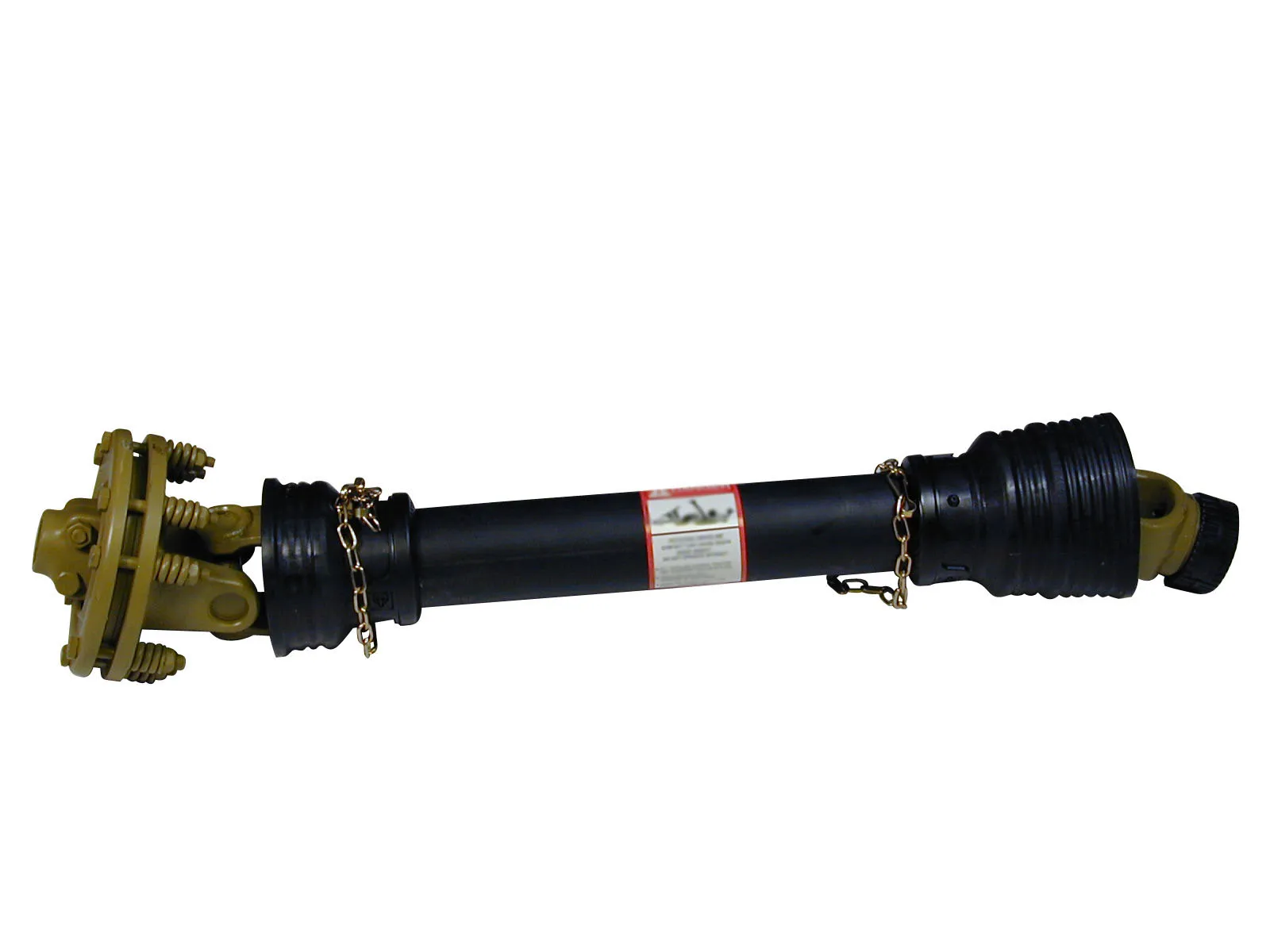
PTO Shafts
Heavy-duty PTO Shaft solutions with safety covers and wide-angle joints for mobile biomass machinery.
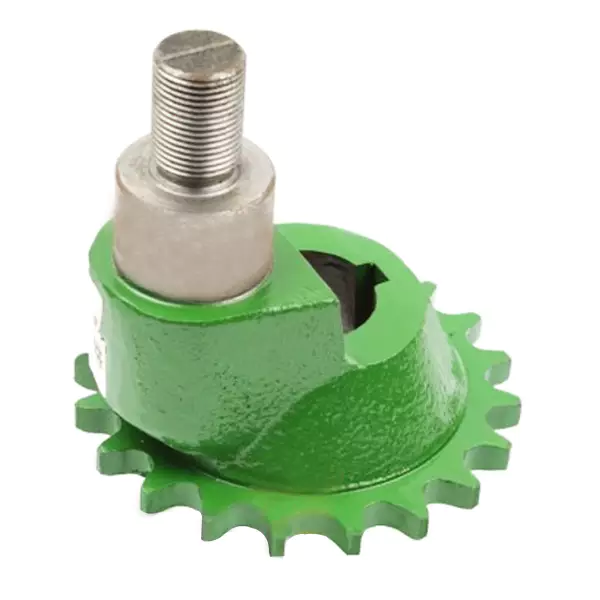
Sprockets & Chains
High-tensile industrial sprockets and chains for primary drive and conveyor systems in biomass silos.
Agri-Parts
A full range of agricultural components including pulleys, couplings, and hydraulic cylinders for complete system compatibility.

Frequently Asked Questions (FAQ)
Q1: What is the most common cause of stoker gearbox failure in Ukrainian biomass boilers?A1: In the Ukrainian context, the most common failure modes are seal degradation due to fine husk dust and oil thickening during extreme winter cold starts. Our Viton seals and synthetic lubricants are specifically chosen to combat these local environmental factors.
Q2: How do I know if I need to replace my current agricultural gearbox for my stoker?A2: Signs of imminent failure include increased vibration levels, excessive heat on the housing surface (above 85°C), audible grinding noises, and oil leakage. If you notice these, a replacement is necessary to avoid a mid-winter boiler shutdown.
Q3: Can your stoker gearboxes handle wood chips as well as pellets?A3: Yes, our high-torque designs are engineered for irregular fuels. We recommend a higher safety factor (SF 2.0+) for wood chip stokers to handle the unpredictable resistance of larger wood pieces.
Q4: Where can I buy a reliable agricultural gear reducer in Kyiv?A4: We ship directly to all major Ukrainian cities including Kyiv, Lviv, and Kharkiv. Our B2B support team provides technical selection guidance to ensure you get the right mounting interface for your specific boiler brand.
Q5: What is the average lead time for a custom-ratio gearbox for a biomass plant?A5: Standard ratios are often in stock for immediate shipment. Custom ratios or specialized mounting flanges typically take 2-4 weeks, depending on the complexity of the engineering requirement.
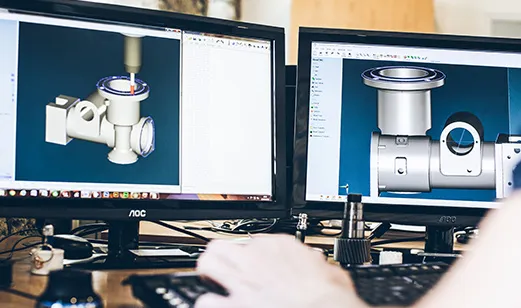
Q6: Do you provide technical drawings (CAD) for boiler integration?A6: Absolutely. We provide full 2D and 3D CAD files to engineers and OEM manufacturers to facilitate seamless design integration into new biomass boiler projects.
Q7: How often should the lubrication be changed in a continuous-duty stoker gearbox?A7: For 24/7 heating operations, we recommend an initial oil change after the first 500 hours of break-in, followed by an annual change or every 5,000 operating hours thereafter.
Q8: Is the agricultural gear reducer compatible with VFD (Variable Frequency Drives)?A8: Yes, our gearboxes are fully compatible with VFDs, allowing you to modulate the fuel feed rate electronically to match the boiler’s heat demand, thus saving energy.
Q9: What safety certifications do your gearboxes hold for the Eastern European market?A9: Our products are CE certified and compliant with the Ukraine Technical Regulations (TR) and ISO 9001 standards, ensuring they meet the highest safety benchmarks for industrial equipment.
Q10: Can I get a quote for a bulk order of 50+ units for an OEM project?A10: Yes, we specialize in high-volume OEM supply. Please contact our international sales department via the inquiry button below for a specialized B2B pricing structure.
Ready to Upgrade Your Biomass Heating Transmission?
Expert Engineering, Global Quality, Localized Ukraine Support.
Editor: PXY