Descripción del Producto
You can choose the 1 type that you need form these product introction.
If you have any question,please contact me.
HangZhou CHINAMFG Machinery Co.,ltd is a company specialized in research, manufacture and service of speed gearbox. Ever since establishment, we have been persisting in technical innovation, advancing the techonology to our products while maintaining our strict quality controls. It is the reason that our products branding ”Xihu (West Lake) Dis.n” have enjoyed such successful global sales.
At present, our company mainly supplies 5 series products as RV worm gearbox, UDL series speed variator,PC series helical gear unit,G3 helical geared motor and SRC helical gearbox. The products are widely applied in the mechanical equipment field such as food and beverage,cement,package,chemical and dyeing, rubber and plastic, CNC machine tool,etc.
Our products have been processed ISO 9001 Quality System Certification and exported to Italy,Spain,Britain,Poland,Turkey.The USA and other European countries,earn the good reputation with our outstanding quality and service.
Customers first,customers satisfaction, excellent after sale service and incessant innovation are our tenet and motto. We will go all out to provide all the customers with high quality and service.
| Solicitud: | Motor, coches eléctricos, motocicleta, maquinaria, sector náutico, juguetes, maquinaria agrícola, coche |
|---|---|
| Dureza: | Superficie del diente endurecida |
| Instalación: | Vertical and Horizontal |
| Muestras: |
US$ 78/Piece
1 unidad (pedido mínimo) | Solicitar muestra |
|---|
| Personalización: |
Disponible
| Solicitud personalizada |
|---|
.shipping-cost-tm .tm-status-off{background: none;padding:0;color: #1470cc}
|
Costo de envío:
Coste estimado por unidad. |
sobre el costo de envío y el tiempo estimado de entrega. |
|---|
| Método de pago: |
|
|---|---|
|
Pago inicial Pago completo |
| Divisa: | US$ |
|---|
| Devoluciones y reembolsos: | Puedes solicitar un reembolso hasta 30 días después de recibir los productos. |
|---|
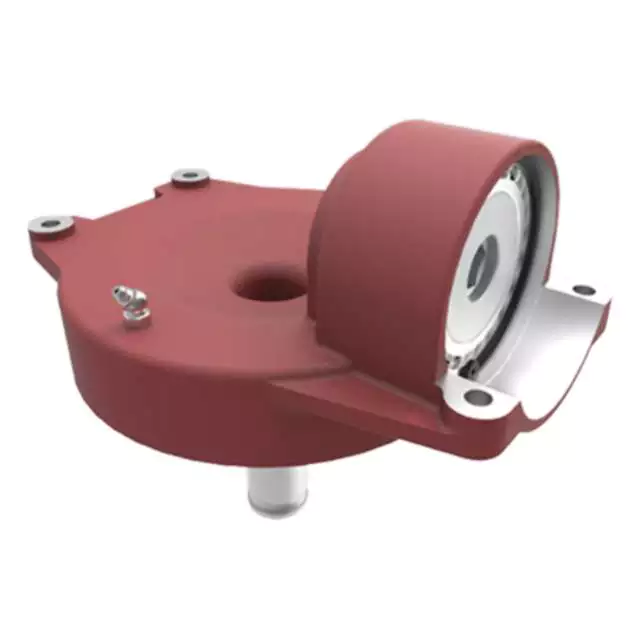
Impacto de las relaciones de transmisión en el rendimiento de las cajas de cambios agrícolas
La relación de transmisión en las cajas de cambios agrícolas desempeña un papel crucial en el rendimiento de la maquinaria. Afecta directamente la relación entre las velocidades y los pares de entrada y salida. A continuación, se explica cómo influyen las relaciones de transmisión en el rendimiento de la maquinaria:
- Conversión de velocidad y par motor: Las relaciones de transmisión permiten la conversión de velocidad y par entre los ejes de entrada y salida. Una mayor relación de transmisión puede reducir la velocidad de salida a la vez que aumenta el par de salida, lo que la hace adecuada para tareas que requieren alta potencia.
- Potencia y eficiencia: Las relaciones de transmisión afectan la eficiencia de la transmisión de potencia. Si bien reducir la velocidad mediante relaciones de transmisión más altas puede aumentar el par motor, es fundamental encontrar un equilibrio para mantener la eficiencia. Una menor eficiencia puede provocar pérdidas de energía y una mayor generación de calor.
- Adaptabilidad a la tarea: Las distintas tareas agrícolas requieren diferentes niveles de par motor y velocidad. Las relaciones de transmisión permiten que la maquinaria se adapte a diferentes tareas, proporcionando el par motor necesario para actividades pesadas como arar o labrar, y velocidades más altas para tareas como el transporte.
- Rendimiento óptimo: Seleccionar la relación de transmisión adecuada garantiza que la maquinaria funcione dentro de su rango de rendimiento óptimo. Esto evita la sobrecarga del motor o la caja de cambios, lo que contribuye a un funcionamiento más suave y a un menor desgaste.
- Productividad y eficiencia en el consumo de combustible: Unas relaciones de transmisión adecuadas pueden mejorar la productividad general de la maquinaria agrícola. Al optimizar el par motor y la velocidad, las tareas se pueden completar de forma eficiente, reduciendo el tiempo y el consumo de combustible necesarios para las operaciones.
- Consideración del terreno: Los distintos terrenos y condiciones del terreno requieren ajustes en las relaciones de transmisión. Las pendientes pronunciadas o los suelos pesados pueden requerir relaciones de transmisión más bajas para aumentar el par motor, mientras que los terrenos llanos podrían beneficiarse de relaciones más altas para un funcionamiento más rápido.
- Impacto en los componentes: Las relaciones de transmisión pueden influir en la distribución de la carga sobre los componentes de la caja de cambios. Unas relaciones de transmisión más altas podrían someter a los componentes a mayores fuerzas y tensiones, lo que podría afectar a su vida útil.
- Comodidad del operador: Las relaciones de transmisión adecuadas contribuyen a la comodidad del operario al proporcionar la potencia necesaria para un funcionamiento suave sin sobrecargar la maquinaria. Esto puede reducir la fatiga del operario y mejorar la seguridad.
- Personalización: Algunos equipos agrícolas modernos ofrecen relaciones de transmisión ajustables o variables, lo que permite a los operadores ajustar con precisión el rendimiento de la maquinaria en función de las tareas y condiciones específicas.
Para elegir la relación de transmisión adecuada en las cajas de cambios agrícolas, es necesario considerar factores como la tarea prevista, las condiciones del suelo y las especificaciones del equipo. Es fundamental lograr un equilibrio entre el par motor y la velocidad para obtener un rendimiento óptimo de la maquinaria y maximizar la productividad.
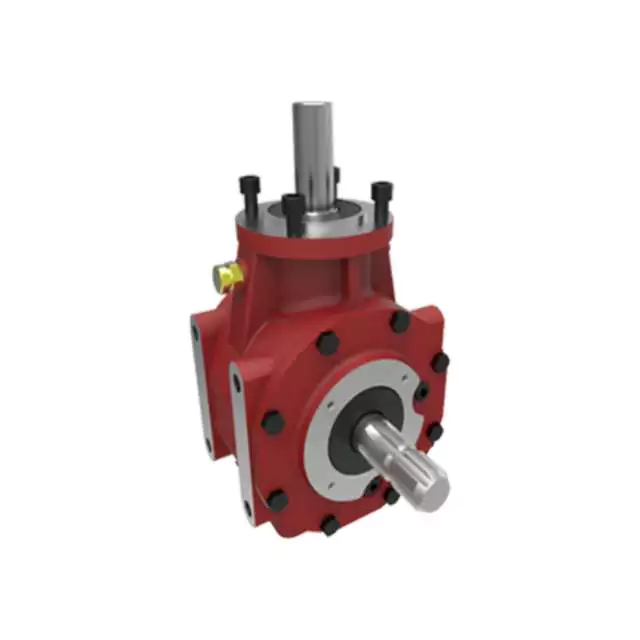
Handling Varying Torque Demands with Agricultural Gearboxes
Agricultural gearboxes are designed to handle the varying torque demands associated with different tasks in farming operations. The torque requirements can vary based on factors such as the type of task, the soil conditions, the terrain, and the machinery’s speed. Agricultural gearboxes are equipped with features that allow them to adapt to these varying torque demands:
- Gear Ratio Selection: Agricultural gearboxes often come with multiple gear ratios, allowing operators to select the appropriate ratio for the task at hand. Lower gear ratios provide higher torque for tasks that require more force, such as plowing or tilling, while higher gear ratios offer higher speeds for tasks like mowing or transporting.
- Torque Multiplier: Some agricultural gearboxes are designed with torque multipliers that enhance the torque output from the engine to the wheels or implement. These multipliers are engaged when higher torque is needed, helping the machinery handle heavy loads or challenging terrain.
- Adjustable Speeds: Many agricultural gearboxes allow operators to adjust the speed of the machinery to match the torque requirements of the task. This flexibility is essential for tasks that involve both high-torque, low-speed operations and high-speed operations with lower torque needs.
- Power Take-Off (PTO) Options: Agricultural gearboxes often feature power take-off mechanisms that enable the transfer of power from the engine to attached implements. These mechanisms can be designed to provide varying torque outputs to suit different implements, such as rotary tillers, balers, or pumps.
The ability of agricultural gearboxes to handle varying torque demands is crucial for ensuring efficient and effective farming operations. By offering adjustable gear ratios, torque multipliers, and adaptable speeds, these gearboxes empower farmers to optimize their machinery’s performance based on the specific requirements of each task.
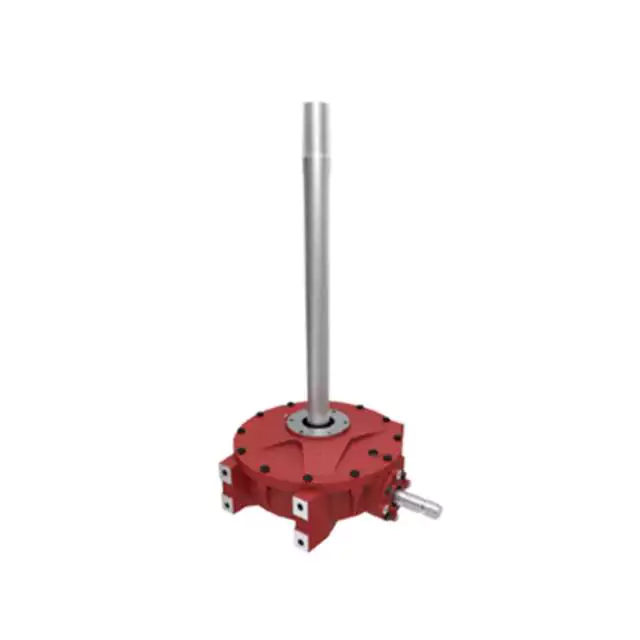
Types of Agricultural Gearboxes for Specific Tasks
Various types of agricultural gearboxes are designed to cater to specific tasks and applications in farming. These gearboxes are engineered to meet the unique requirements of different agricultural machinery and operations. Some common types of agricultural gearboxes include:
- Rotary Mower Gearboxes: These gearboxes are used in rotary mowers and cutters. They transmit power from the tractor’s power take-off (PTO) to the blades, enabling efficient cutting of grass, crops, and vegetation.
- Manure Spreader Gearboxes: Manure spreaders utilize specialized gearboxes to distribute manure evenly across fields. These gearboxes ensure consistent spreading of fertilizer while accommodating variable loads.
- Harvesting Gearboxes: Gearboxes used in harvesting equipment, such as combines and harvesters, enable efficient gathering, threshing, and separating of crops from their stalks. These gearboxes handle high loads and varying operating conditions.
- Seed Drill Gearboxes: Seed drills require gearboxes to distribute seeds accurately and at consistent intervals. These gearboxes ensure precise seed placement for optimal germination and crop growth.
- Hay Rake Gearboxes: Hay rakes utilize gearboxes to gather and arrange hay into windrows for baling. These gearboxes help optimize the hay collection process.
- Irrigation System Gearboxes: Agricultural irrigation systems may use gearboxes to control the movement and positioning of irrigation equipment, ensuring efficient water distribution across fields.
- Tillage Equipment Gearboxes: Gearboxes used in tillage equipment, such as plows and cultivators, help break up soil, prepare seedbeds, and promote seedling emergence.
- Tractor Gearboxes: Tractors may incorporate various gearboxes for tasks such as shifting gears, driving the power take-off, and operating attachments.
- Grain Auger Gearboxes: Grain augers use gearboxes to facilitate the movement of harvested grain from one location to another, such as from a combine to a storage bin.
Each type of agricultural gearbox is designed with specific features, load capacities, and durability to suit the demands of its intended task. Manufacturers engineer these gearboxes to withstand the challenging conditions of agricultural operations while ensuring efficient and reliable performance.


editor by CX 2023-11-16