
Descripción del Producto
Agricultural Pto Gearboxes for Powered Generator
Related products:
Our Factory:
1. Shell: made of high rigidity fc-25 cast iron;
2. Gear: high purity alloy steel 20crmnt is used for quenching and tempering, carburizing, quenching and grinding;
3. Spindle: high purity alloy steel 40Cr quenching and tempering processing, with high hanging load capacity.
4. Bearing: equipped with tapered roller bearing with heavy load capacity;
5. Oil seal: imported double lip oil seal, with the ability of dust and oil leakage.
Product lubrication:
The use of proper lubricating oil for t spiral bevel gear commutator can give full play to the efficiency of the steering gear and improve its service life.
1. The initial wear period is 2 weeks or 100-200 hours. There may be a small amount of metal wear particles between them. Please clean the interior and replace it with new lubricating oil;
2. In case of long-term use, change the lubricating oil every half a year or 1000-2000 hours.
Technical parameters of T spiral bevel gear commutator:
It can be equipped with single horizontal axis, double horizontal axis, single vertical axis and double vertical axis 1:5, 1:5, 1:1, 1:5, 1:5, 1:1
Company Profile: /* 22 de enero de 2571 19:08:37 */!function(){function s(e,r){var a,o={};try{e&&e.split(“”,).forEach(function(e,t){e&&(a=e.match(/(.*?):(.*)$/))&&1
| Solicitud: | Motor, Electric Cars, Motorcycle, Machinery, Marine, Agricultural Machinery, Car |
|---|---|
| Función: | Distribution Power, Clutch, Change Drive Torque, Change Drive Direction, Speed Changing, Speed Reduction, Speed Increase |
| Disposición: | Coaxial |
| Dureza: | Superficie del diente endurecida |
| Instalación: | Tipo horizontal |
| Paso: | Three-Step |
| Muestras: |
US$ 9999/Piece
1 unidad (pedido mínimo) | |
|---|
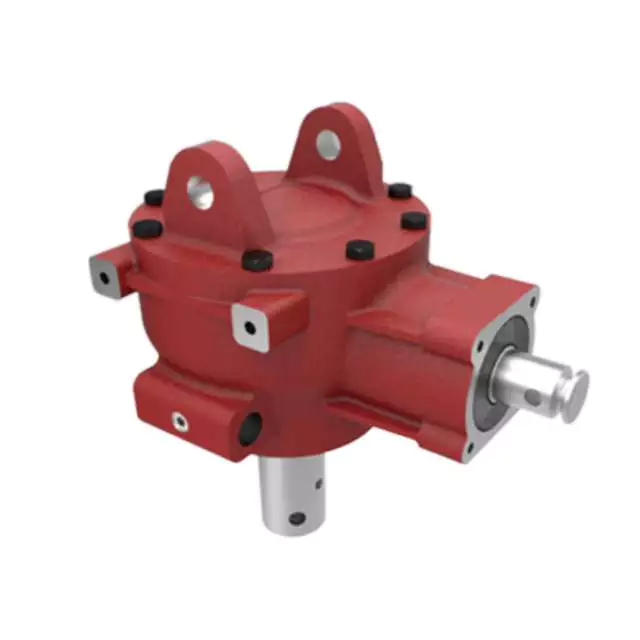
Contribution of Agricultural Gearboxes to Farming Machinery Versatility
Agricultural gearboxes play a pivotal role in enhancing the overall versatility of farming machinery. Here’s how they contribute:
- Variable Speeds: Agricultural gearboxes enable machinery to operate at different speeds, allowing farmers to adapt to various tasks. For instance, tractors equipped with adjustable gearboxes can efficiently switch between plowing, seeding, and harvesting.
- Torque Management: Gearboxes control torque delivery to match the requirements of different operations. This ensures optimal power transmission and prevents overloading during tasks like tilling or lifting heavy loads.
- Multi-Functionality: Many farming machines are designed to perform multiple tasks. By incorporating versatile gearboxes, these machines can efficiently switch between functions without requiring major modifications.
- Attachment Compatibility: Farm machinery often requires attachments like mowers, plows, or sprayers. Agricultural gearboxes can be designed to accommodate various attachments, increasing the machinery’s utility and adaptability.
- Adjustable Ratios: Some gearboxes allow operators to change gear ratios on-the-fly. This adaptability is essential for tasks that demand precise control over speed and torque, such as precision planting or spraying.
- Efficient Power Distribution: Gearboxes help distribute power from the engine to different components of the machinery, such as wheels, axles, and implements. This efficient power distribution ensures effective utilization of energy.
- Task-Specific Optimization: Different farming tasks have specific requirements. Agricultural gearboxes can be tailored to optimize machinery performance for tasks ranging from soil preparation to crop maintenance.
- Enhanced Maneuverability: Gearboxes can enable machinery to change directions easily and navigate tight spaces. This is especially valuable in tasks like plowing fields or maneuvering within orchards.
- Adapting to Terrain: Versatile gearboxes allow machines to adapt to different terrains, ensuring consistent performance on various surfaces like hills, slopes, or uneven ground.
- Seasonal Flexibility: Farming involves seasonal tasks that vary in demand and complexity. Gearboxes offer the flexibility to optimize machinery for specific tasks during different seasons, enhancing overall efficiency.
Agricultural gearboxes are a cornerstone of farming machinery versatility, enabling farmers to accomplish a wide range of tasks efficiently and effectively.
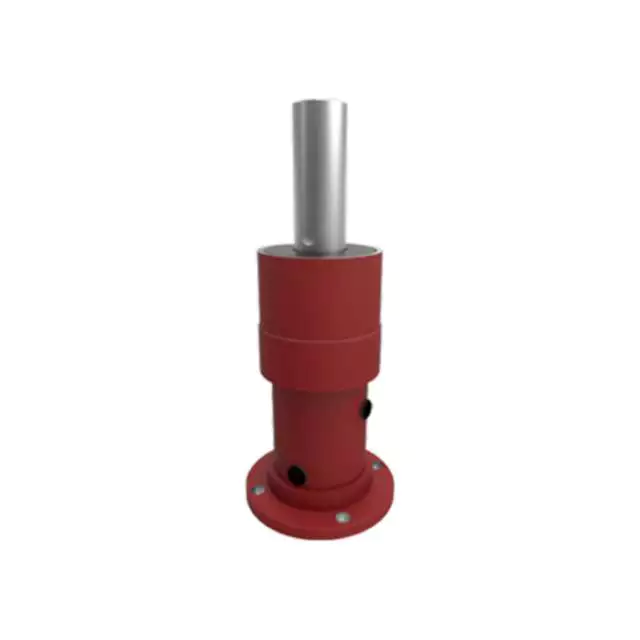
Common Signs of Gearbox Wear and Their Solutions
Gearboxes, like any mechanical components, can experience wear over time due to factors such as friction, load, and operating conditions. Recognizing the common signs of gearbox wear is essential for timely maintenance and avoiding potential breakdowns. Here are some signs to watch out for and the solutions to address them:
- Unusual Noises: Grinding, clicking, or whining noises during operation can indicate worn gears or bearings. Inspect the gearbox for damaged teeth or inadequate lubrication. Replace damaged components and ensure proper lubrication.
- Aumento de la vibración: Excessive vibration suggests misalignment or imbalance within the gearbox. Check for proper alignment and balance the components if necessary. Also, inspect for worn or damaged shafts or bearings.
- Leakage: Oil or lubricant leaks may indicate worn seals or gaskets. Replace seals and gaskets to prevent leakage and ensure adequate lubrication.
- Slipping Gears: Gears slipping out of engagement or difficulty shifting can point to worn or damaged gear teeth. Inspect gears for signs of wear or chipping, and replace as needed.
- Temperature Increase: Abnormal heat generation can result from increased friction due to worn parts. Check lubrication levels and quality, and replace worn bearings or gears causing excess friction.
- Decreased Performance: Reduced power transmission or output efficiency can indicate wear in the gearbox. Inspect gears, bearings, and other components for signs of wear and replace as necessary.
- Excessive Play: Excessive play or backlash in gears can indicate worn gear teeth or bearings. Inspect components for wear, adjust backlash, and replace worn parts.
Addressing gearbox wear requires routine maintenance, including proper lubrication, alignment checks, and regular inspections. Timely replacement of worn or damaged components can extend the gearbox’s lifespan and maintain optimal performance in various applications.
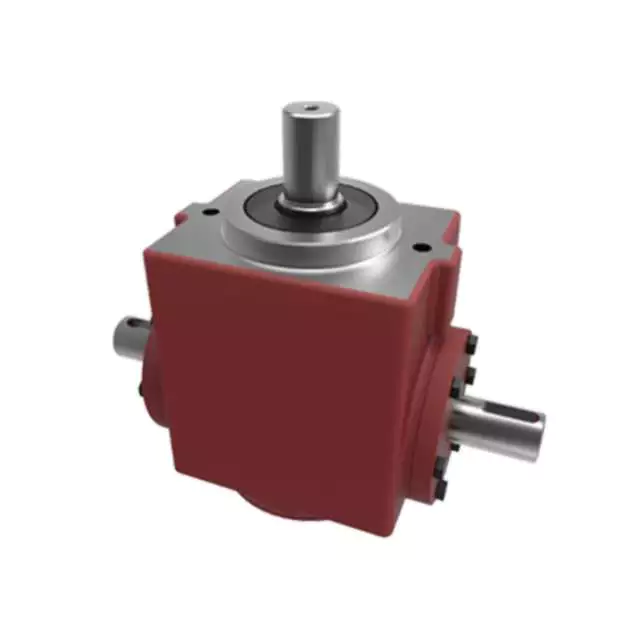
Contribución de las cajas de cambios agrícolas a la funcionalidad del tractor
La caja de cambios agrícola es un componente vital del sistema de transmisión de un tractor, ya que desempeña un papel fundamental para que este pueda realizar una amplia gama de tareas en la explotación agrícola. El funcionamiento de los tractores depende en gran medida del correcto funcionamiento de sus cajas de cambios, que facilitan diversas funciones esenciales:
- Transmisión de potencia: Los tractores deben proporcionar una potencia y un par motor considerables para realizar tareas como arar, labrar y transportar materiales. Las cajas de cambios agrícolas transmiten la potencia del motor del tractor a las ruedas u otros implementos, lo que permite una entrega de potencia eficiente al suelo.
- Control de velocidad: Las distintas tareas agrícolas requieren velocidades diferentes. Las cajas de cambios permiten a los operadores controlar la velocidad del tractor para adaptarla a las necesidades de cada tarea. Ya se trate de labores a baja velocidad, como el arado, o de transporte a alta velocidad, la caja de cambios proporciona los ajustes necesarios.
- Implementar archivo adjunto: Los tractores se utilizan frecuentemente con diversos implementos, como arados, rastras y segadoras. La caja de cambios facilita la conexión y el funcionamiento de estos implementos al transmitir la potencia y el par motor del tractor a los componentes de trabajo del implemento.
- Cambios de dirección: Las cajas de cambios agrícolas permiten que los tractores cambien de dirección con suavidad. Proporcionan el sistema de engranajes necesario para invertir el movimiento del tractor, facilitando así las maniobras en la granja, los campos y sorteando obstáculos.
- Adaptación al terreno: Las cajas de cambios agrícolas ayudan a los tractores a adaptarse a diferentes terrenos y condiciones del suelo. Al ajustar la relación de transmisión, los tractores pueden optimizar su rendimiento para tareas como subir pendientes, trabajar en terrenos irregulares o arrastrar cargas pesadas.
Las modernas cajas de engranajes agrícolas están diseñadas para ofrecer durabilidad y fiabilidad en el exigente entorno agrícola. Suelen estar equipadas con características como múltiples engranajes, mecanismos de sincronización y sistemas de lubricación eficientes para mejorar su rendimiento y vida útil.
El mantenimiento regular y las revisiones periódicas son esenciales para mantener la caja de cambios agrícola en óptimas condiciones. La lubricación adecuada, la inspección de los engranajes y la corrección de cualquier signo de desgaste o daño contribuyen a la durabilidad y al rendimiento constante de la caja de cambios, garantizando así la funcionalidad del tractor durante todas las temporadas agrícolas.


editor by CX 2024-04-08