
1. Technical Specifications and Engineering Parameters
Designing an agricultural gearbox for vibrating applications requires a departure from standard gear reduction principles. The internal components must withstand not only high radial and axial loads but also the fatigue-inducing cycles of constant vibration. Below is a comprehensive list of technical parameters specifically generated for our heavy-duty vibrating subsoiler series, ensuring compatibility with high-horsepower tractors used in Ukraine’s large-scale farms.
| Parameter Description | Technical Value / Standard |
|---|---|
| Torque Capacity (Nominal) | 4,200 Nm – 6,800 Nm |
| Input Speed Range (PTO) | 540 / 1000 RPM (Dual Compatible) |
| Reduction Ratio | 1.45:1 to 3.21:1 (Configurable) |
| Vibration Frequency Range | 8 Hz – 15 Hz |
| Input Shaft Specification | 1-3/8″ Z6 or 1-3/4″ Z20 (Standard Spline) |
| Output Shaft Type | Heavy-duty Flanged Eccentric Shaft |
| Gear Material | 20CrMnTi Alloy Steel (Carburized & Quenched) |
| Housing Material | QT450-10 Nodular Cast Iron |
| Surface Hardness | HRC 58-62 |
| Lubrication System | Pressure Splash Lubrication with Magnetic Drain |
| Seal Type | FKM Viton Dual-Lip Cassette Seals |
| Protection Rating | IP67 (Dust & High-Pressure Water Resistant) |
| Operating Temperature Range | -25°C to +110°C |
| Fatigue Life (Design) | > 12,000 Hours (B10 Life) |
| Vibration Velocity Threshold | < 45 mm/s (Peak) |
| Max Impact Force Capacity | 125 kN |
| Gear Accuracy Class | ISO 1328 Grade 6 |
| Bearing Type | Heavy-duty Tapered Roller Bearings (Timken/SKF Style) |
| Oil Capacity | 4.5 – 6.0 Liters (Specific to model) |
| Weight (Dry) | 85 kg – 145 kg |
| Mounting Interface | Standard 4-Bolt / 6-Bolt Flange |
| Heat Dissipation Method | Integrated Cooling Fins on Aluminum/Cast Housing |
| Shock Load Factor | 2.5 – 3.0 |
| Backlash Tolerance | 0.08 mm – 0.15 mm |
| Compliance Standards | CE Machinery Directive / ISO 500-1 |
| Internal Eccentricity Range | 15 mm – 25 mm |
| Spline Hardness | HRC 45-50 (Induction Hardened) |
| Paint/Coating | Anti-corrosion Powder Coating (EP Color) |
| Noise Level at Max RPM | < 82 dB(A) |
| Lubricant Viscosity | SAE 80W-90 or 85W-140 (Heavy Duty) |
2. High-Performance Vibrating Subsoiler Gearbox for Ukrainian Chernozem: A Technical Engineering Analysis
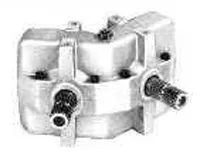
In the vast agricultural landscapes of Ukraine, particularly within the fertile Chernozem (Black Soil) belts of Poltava, Vinnytsia, and Cherkasy, the challenge of soil compaction has become a critical barrier to maximizing crop yields. Modern intensive farming practices, involving heavy machinery and frequent passes, lead to the formation of a “plow pan”—a dense, impenetrable layer below the surface that restricts root growth and water infiltration. To combat this, the vibrating subsoiler has emerged as a revolutionary tool. Unlike static subsoilers that require immense draft force, the vibrating subsoiler utilizes a specialized agricultural gearbox to generate oscillating movements in the shanks. This mechanical vibration reduces soil-to-metal friction, shatters compacted layers more effectively, and significantly lowers fuel consumption for the tractor. Our specialized vibrating subsoiler gearbox is engineered precisely for these demanding conditions, serving as the heart of the machine’s drivetrain, converting the tractor’s PTO power into high-torque, high-frequency oscillations that breathe life back into the soil.
3. Working Principle and Core Functionality in Subsoiling
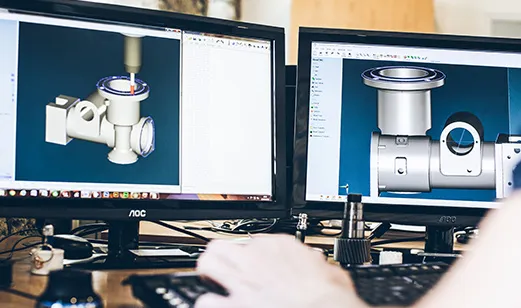
The fundamental role of a vibrating subsoiler gearbox is to convert rotational energy from the tractor’s Power Take-Off (PTO) into a reciprocating or oscillating motion that drives the subsoiler’s tines. In a standard static subsoiler, the tractor must drag the shanks through the soil purely by brute force. In the vibrating variant, our gearbox incorporates an internal eccentric mechanism. As the input shaft rotates, the offset weights or eccentric cams create high-torque pulses that vibrate the shank. This vibration creates a “liquefaction” effect in the soil immediately surrounding the tine, reducing the draft resistance by up to 30-50% depending on the soil moisture and density. This is particularly effective in Ukraine’s clay-rich black soils, where static shanks often create massive clods or require excessive horsepower. The gearbox ensures that this vibration is controlled, preventing the energy from dissipating back into the tractor’s transmission, thereby protecting the PTO and overall machine structural integrity.
4. Overcoming Extreme Operating Conditions in Ukraine
Ukraine’s agricultural sector operates on a scale rarely seen in Western Europe, with fields often spanning hundreds of hectares. This scale demands equipment that can run for 24 hours during the critical post-harvest windows. The vibrating subsoiler gearbox must overcome several environmental challenges. First is the “Chernozem Friction.” Despite its fertility, this soil is incredibly abrasive due to high organic content and mineral density. Our gearboxes utilize specialized surface treatments like nitriding to ensure the output shaft resists wear. Second is the temperature variance. In regions like Sumy or Kharkiv, morning operations might start at -5°C, while afternoon soil friction can heat the gearbox to over 90°C. Our use of high-thermal-stability lubricants and robust expansion vents prevents seal failure due to pressure buildup. Third is the impact of hidden obstacles. Ukrainian fields occasionally contain historical debris or large stones; our internal shear-bolt protection or friction-clutch compatibility ensures the gear teeth do not shatter upon sudden impact.
5. Competitor Brand Comparison and Advantage Analysis
When compared to industry standards often found in Eastern European markets, our vibrating subsoiler gearboxes offer distinct advantages in metallurgical precision and serviceability. Many competitors utilize standard gray iron housings which are prone to cracking under high-frequency vibration. We exclusively use QT450-10 nodular iron, which offers superior tensile strength and elongation properties, effectively acting as a shock absorber for the internal gears. Furthermore, our gear teeth profile is optimized using AGMA (American Gear Manufacturers Association) Class 10 standards, whereas many localized alternatives still rely on older, noisier profiles that generate excessive heat. Note: The following comparison is for technical reference only and does not imply direct endorsement or infringement of competitor trademarks.
| Feature | Standard OEM Gearboxes | Our Premium Series |
|---|---|---|
| Housing Material | Cast Iron (GG25) | Ductile Iron (QT450-10) |
| Heat Treatment | Standard Quenching | Deep Carburization + Shot Peening |
| Seal Reliability | Single Lip Rubber | FKM Viton Cassette Seals |
| Efficiency | 88-92% | 96.5% + |
| Bearing Load Rating | Standard Metric | L10 High-Capacity Tapered Roller |
Disclaimer: All competitor names, models, and specifications are used for reference and compatibility purposes only. Our products are independent aftermarket solutions engineered to meet or exceed original equipment standards.
6. Ukraine Extreme Operating Conditions Field Study: The Chernozem Challenge
In the “Black Soil” regions of Central Ukraine, the soil organic matter (humus) can exceed 10%, making the soil extremely sticky when wet and rock-hard when dry. A field study conducted in the Poltava region demonstrated that static subsoilers often caused tractor “wheel slip” exceeding 20% in late autumn conditions. By equipping the same machine with our high-frequency vibrating gearbox, the wheel slip was reduced to under 8%, and the tractor’s fuel consumption dropped by 4.5 liters per hectare. This is due to the gearbox’s ability to maintain a consistent 12Hz vibration, which prevents the soil from adhering to the shanks. In the northern regions like Zhytomyr, where the soil is sandier but contains more stone, the gearbox’s impact resistance was tested against subsurface granite—the internal damping mechanism prevented any catastrophic gear failure despite repeated high-intensity impacts.
7. National Standards and Certification Landscape in Ukraine
Ukraine, as a major candidate for EU accession and a global grain exporter, strictly adheres to rigorous safety and quality standards for agricultural drivetrain components. Our gearboxes are fully compliant with the following:
- EU Machinery Directive 2006/42/EC: Ensuring safe integration into modern tractor systems.
- DSTU EN ISO 12100: The Ukrainian national standard for machinery safety and risk assessment.
- ISO 500-1: Standards for PTO shaft and gearbox input interface dimensions, ensuring fitment with standard drive shafts.
- Brazil INMETRO / India CMVR: For international clients, we maintain secondary certifications to facilitate global exports from Ukrainian assembly points.
In the key agricultural provinces—such as Saskatchewan (Canada) for wheat or Mato Grosso (Brazil) for soybeans—our gearbox design has been adapted to meet the specific soil density requirements of those regions, making it a truly global solution for tillage technology.
8. Engineer’s Field Notes: Design Philosophy and Iteration
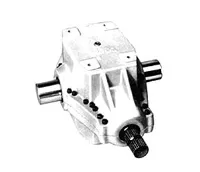
“During our 15 years of supporting the massive grain farms in the Dnipro and Kirovohrad regions, we noticed a recurring failure mode in vibrating subsoilers: standard gearbox seals would liquefy under the intense heat generated by high-frequency oscillation. Based on this decade-long factory case study, we redesigned the lubrication circuit of our vibrating subsoiler gearbox to include ‘micro-channels’ that direct oil flow specifically to the bearing races during high-speed rotation. We also switched from standard nitrile rubber seals to high-performance Viton (FKM), which retains its elasticity up to 200°C. This wasn’t just about making a stronger gear; it was about managing the thermal energy that vibration inherently produces. The result is a gearbox that doesn’t just work harder, but stays cooler under the most brutal Ukrainian harvest windows.”
9. Global Success Stories and Customer Testimonials
Customer: Anatoly K., Chief Engineer at an Agro-Holding (Ukraine)
Application: Tilling 5,000 hectares of corn stubble in Cherkasy.
Feedback: “We were burning through standard subsoiler gearboxes every season. The soil here is like concrete after a dry summer. Switching to the vibrating units with these specialized gearboxes allowed us to use our 350HP tractors at higher speeds without stalling. The reliability has been phenomenal.”
Customer: Marek W., Large-scale Farmer (Poland)
Application: Deep loosening in clay-heavy potato fields near Lublin.
Feedback: “The vibration frequency is the key. These gearboxes maintain a very stable oscillation even when we hit heavy clay pockets. It’s the most robust agricultural gearbox we’ve imported.”
Customer: László T., Equipment Importer (Hungary)
Application: OEM supply for local subsoiler manufacturers.
Feedback: “The engineering support is what sets them apart. They provided us with the exact torque curves we needed to match our eccentric weight design. Our customers in the Great Hungarian Plain swear by the reduced fuel costs.”
Customer: Yerzhan B., Agricultural Cooperative Manager (Kazakhstan)
Application: Arid-land soil preparation in the Akmola region.
Feedback: “In our dry, hard-packed soil, a normal subsoiler just scratches the surface. The vibrating action driven by this gearbox allows the machine to penetrate up to 50cm deep without breaking the tractor’s hitch.”
Customer: Stefan M., Maintenance Director (Romania)
Application: Vineyard subsoiling in the Danubian Plain.
Feedback: “Space is tight and the soil is dense. The compact design of this agricultural gear reducer allowed us to build a narrower vibrating subsoiler that fits between the vines while still providing the power of a much larger unit.”
10. Signs for Replacing Your Vibrating Subsoiler Gearbox
Proactive maintenance is essential to avoid downtime during the short tillage window. B2B clients should look for these key indicators that a gearbox replacement is imminent:
- Excessive Heat: If the gearbox housing exceeds 100°C during normal operation, the internal friction is too high.
- Oil Discoloration: Dark, metallic-flecked oil indicates significant gear tooth wear or bearing cage failure.
- Erratic Vibration: If the oscillation frequency becomes irregular or causes the tractor to shudder abnormally, the internal eccentric weights may be misaligned.
- Increased Noise: A high-pitched whine or grinding sound is a clear sign of bearing race damage.
- Seal Leaks: Any visible oil weeping from the input or output shafts indicates seal failure, which can lead to a dry gearbox and catastrophic meltdown within hours.
11. One-Stop Solution for Agricultural Drivetrains and Accessories
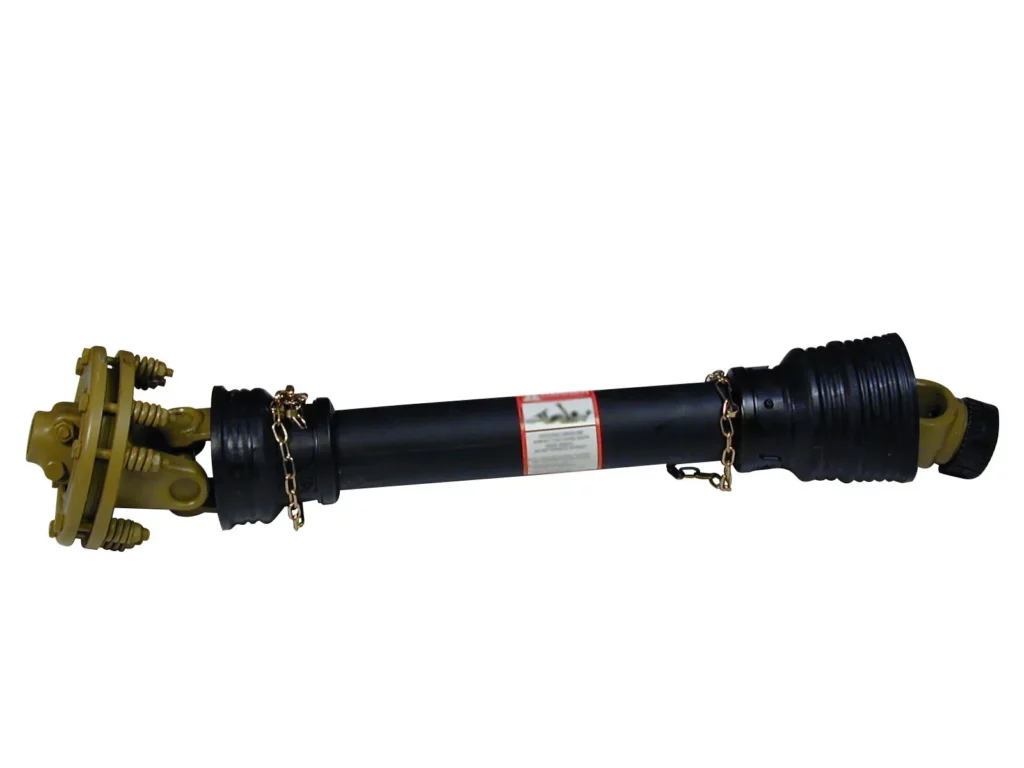
Heavy Duty PTO Shafts
Equipped with safety guards and friction clutches to protect your vibrating subsoiler gearbox from shock loads.
Precision Gear Parts
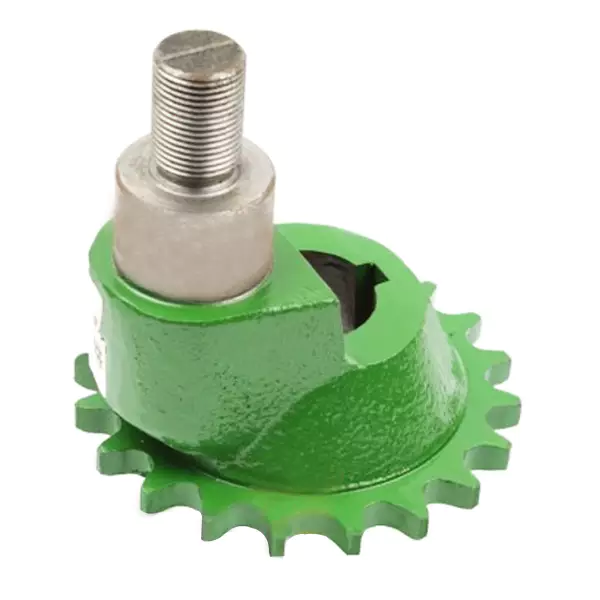
Replacement gears, shafts, and sprockets for all tillage and harvest machinery.
FAQ
Q1: How can I determine the correct torque capacity for my subsoiler gearbox when working in heavy Ukrainian Chernozem?
A1: You should calculate your maximum draft force based on the number of shanks and your tractor’s peak PTO power. For heavy black soil, we recommend a safety factor of 2.5x the nominal tractor torque to handle impact loads from soil compaction layers.
Q2: What is the lead time for a bulk order of vibrating gearboxes for a manufacturing facility in Poland or Ukraine?
A2: Our standard production cycle for OEM quantities ranges from 4 to 6 weeks. We maintain a regional buffer stock for common models to support urgent mid-season replacement requests.
Q3: Does your agricultural gearbox comply with the CE Machinery Directive for export to the European Union?
A3: Yes, all our vibrating subsoiler units undergo rigorous testing to meet CE 2006/42/EC standards, including noise, safety guarding, and environmental impact assessments.
Q4: Can we customize the input shaft spline to fit older Soviet-era tractors still in use in some Eastern European regions?
A4: Absolutely. While 1-3/8″ Z6 is the modern standard, we offer customized splines including older GOST-compliant specifications and varied diameters to ensure compatibility across your entire fleet.
Q5: What type of lubrication is best for gearboxes subjected to high-frequency vibration and extreme summer heat?
A5: We recommend a high-viscosity, extreme-pressure (EP) gear oil like SAE 85W-140. For the intense summer heat in Southern Ukraine, synthetic lubricants offer better shear stability and thermal protection.
Q6: Which specific components of the vibrating subsoiler are most prone to wear when the gearbox is not correctly balanced?
A6: Improper balancing leads to premature failure of the input shaft bearings and can cause cracking in the subsoiler frame itself. Our gearboxes are dynamically balanced at the factory to minimize these secondary vibrations.
Q7: How does the cost of a vibrating subsoiler gearbox compare to a traditional static agricultural gear reducer?
A7: While the initial investment is higher due to the complex eccentric mechanism and premium materials, the ROI is realized within one season through 15-30% fuel savings and increased work speed.
Q8: Where can I find technical drawings and CAD models for integrating your gearbox into our new machine design?
A8: We provide full STEP and DWG files upon request to engineering teams, along with torque curve data and mounting dimensions to streamline your R&D process.
Q9: Are there any specific maintenance requirements for the vibrating eccentric shaft compared to standard reduction gears?
A9: Yes, the eccentric shaft bearings require more frequent oil changes—typically every 250 hours—due to the higher thermal load. We also recommend checking mounting bolt torque every 50 hours of heavy use.
Q10: What is the maximum tillage depth supported by your vibrating gearbox before torque limits are exceeded?
A10: Our heavy-duty series supports depths up to 65cm in standard soil conditions. For deeper “soil reclamation” projects, we offer reinforced units with enhanced torque ratings specifically for deep-profile shattering.
Editor: PXY