
Product Description
Center Wheel Drive Irrigation CHINAMFG CHINAMFG CHINAMFG Zimmatic Type Agricultural Irrigate Gear Box Unit Gearbox
Product Description
1. Light in weight and non-rusting.
2. Smooth in running, can work a long time in dreadful conditions.
3. High efficiency, low noise, suitable for center drive CHINAMFG irrigation.
4. Good-looking in appearance, durable in service life, and small in volume.
Detailed Photos
Product Parameters
| Type | Irrigation gearbox |
| Model | 740-U, 740-UV, G15-43, etc. |
| Power | 0.75HP ~ 1.5HP |
| Input speed | 750rpm ~ 3600rpm |
| Reduction ratio | 1/30 1/40 1/50 1/52 |
| Input motor | AC (1 phase or 3 phase) |
| Output type | Solid shaft / Square flange / Round flange… |
| Material of housing | Cast iron or aluminum |
Certifications
FAQ
Q: Can you make the gearbox with customization?
A: Yes, we can customize per your request, like flange, shaft, configuration, material, etc.
Q: Do you provide samples?
A: Yes. The sample is available for testing.
Q: What’s your lead time?
A: Standard products need 5-30 days, a bit longer for customized products.
Q: Do you provide technical support?
A: Yes. Our company has a design and development team, we can provide technical support if you
need.
Q: How to ship to us?
A: It is available by air, by sea, or by train.
Q: How to pay the money?
A: T/T and L/C are preferred, with a different currency, including USD, EUR, RMB, etc.
Q: How can I know if the product is suitable for me?
A: >1ST confirm drawing and specification >2nd test sample >3rd start mass production.
Q: Can I come to your company to visit?
A: Yes, you are welcome to visit us at any time.
Q: How shall we contact you?
A: You can send an inquiry directly, and we will respond within 24 hours. /* October 22, 2571 15:47:17 */(()=>{function d(e,r){var a,o={};try{e&&e.split(“,”).forEach(function(e,t){e&&(a=e.match(/(.*?):(.*)$/))&&1
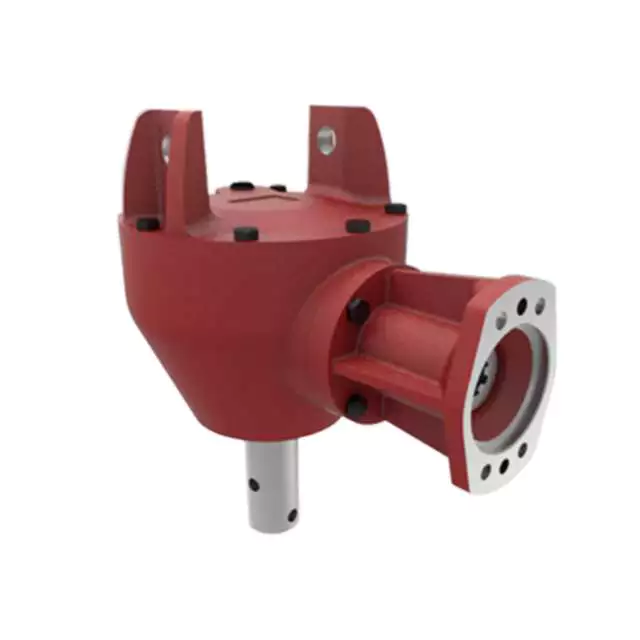
Case Studies: Successful Implementations of Agricultural Gearboxes
Several case studies highlight the successful integration of agricultural gearboxes in farming machinery:
- Case Study 1: Tractor Versatility
A farm in the Midwest implemented tractors equipped with adjustable gearboxes. The gearboxes allowed the tractors to seamlessly switch between plowing, planting, and harvesting tasks. The ability to customize speed and torque ratios improved efficiency and reduced the need for multiple machines.
- Case Study 2: Orchard Management
An orchard in California utilized specialized gearboxes in its mechanized harvesters. These gearboxes facilitated controlled movement and precise positioning of the harvesters among trees. The adaptability of the gearboxes enabled the harvesters to navigate the orchard’s uneven terrain while minimizing damage to trees and fruit.
- Case Study 3: Precision Planting
A farm in Europe integrated precision planting machinery with gearboxes that offered adjustable gear ratios. This allowed for precise control over seed placement and depth. The gearboxes played a vital role in achieving uniform crop emergence and optimizing seed-to-soil contact.
- Case Study 4: Multi-Tasking Implements
A farming cooperative in Australia utilized multi-tasking implements equipped with versatile gearboxes. These implements could seamlessly switch between tasks such as plowing, harrowing, and fertilizing. The gearboxes’ ability to manage torque and speed ratios ensured optimal performance across various tasks.
- Case Study 5: Soil Conservation
A farm in Africa adopted gearboxes in its soil conservation practices. By attaching specialized implements with adjustable gearboxes to their tractors, the farm effectively controlled soil erosion and improved water infiltration rates. The gearboxes allowed for precise adjustments based on soil type and slope.
These case studies illustrate the impactful role of agricultural gearboxes in enhancing efficiency, versatility, and productivity across a spectrum of farming applications.
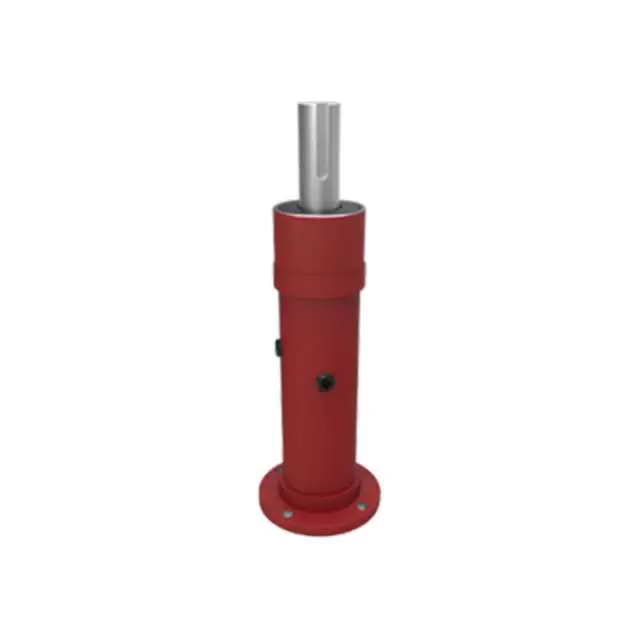
Factors to Consider When Selecting the Right Gearbox for Farm Machinery
Choosing the appropriate gearbox for farm machinery is crucial to ensure optimal performance and efficiency. Here are the key factors to consider when selecting the right gearbox:
- Power and Torque Requirements: Assess the power and torque needed for the specific task the machinery will perform. Select a gearbox that can handle the required load without straining the components.
- Speed Variation: Determine if the machinery requires variable speed control for different tasks. Some gearboxes offer adjustable speed options to match varying conditions and applications.
- Task Compatibility: Ensure that the chosen gearbox is compatible with the implements and attachments the machinery will use. Different tasks may require different gear ratios and torque capabilities.
- Efficiency: Opt for gearboxes known for their efficiency in power transmission. Efficient gearboxes minimize energy losses and maximize the output of the machinery.
- Durability: Farming environments can be demanding, so select a gearbox that is built to withstand the conditions, such as exposure to dirt, moisture, and impacts.
- Size and Weight: Consider the available space and weight limits on the machinery. Choose a gearbox that fits within these constraints without compromising performance.
- Maintenance: Evaluate the maintenance requirements of the gearbox. Gearboxes that are easy to maintain and service can minimize downtime and keep the machinery running smoothly.
- Cost: Balance the initial cost of the gearbox with its long-term benefits and performance. Investing in a quality gearbox can lead to better overall cost-effectiveness over time.
- Compatibility: Ensure that the gearbox is compatible with the power source (such as the tractor’s power take-off) and other components of the machinery.
- Manufacturer Reputation: Choose gearboxes from reputable manufacturers with a history of producing reliable and high-quality agricultural machinery components.
By carefully considering these factors, farmers can select the right gearbox that meets the specific needs of their farm machinery, leading to enhanced efficiency, productivity, and longevity of equipment.
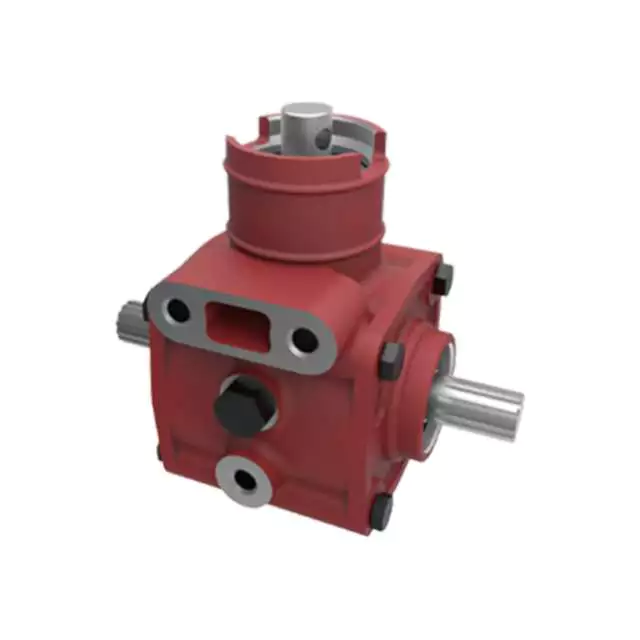
Role of Agricultural Gearboxes in Agricultural Machinery
An agricultural gearbox is a specialized type of gearbox used in various agricultural machinery and equipment. It plays a crucial role in the proper functioning of agricultural equipment by transmitting power and torque from the engine to the different components that perform specific tasks in the field.
Agricultural gearboxes are designed to withstand the demanding conditions of agricultural operations, including exposure to dust, dirt, moisture, and heavy loads. They are commonly used in a wide range of agricultural machinery, including tractors, combines, tillers, sprayers, and more.
The primary functions of agricultural gearboxes include:
- Power Transmission: Agricultural gearboxes transmit power from the engine to various components, such as wheels, blades, and belts, enabling them to perform their respective tasks.
- Speed Control: Gearboxes allow operators to control the speed and output torque of agricultural machinery. Different tasks require different speeds and levels of torque, and gearboxes provide the necessary adjustments.
- Direction Change: Many agricultural operations require changing the direction of rotational motion. Gearboxes enable smooth and efficient direction changes without the need for complex mechanical arrangements.
- Adaptation to Tasks: Agricultural gearboxes are equipped with various gears and shafts that can be configured to match the requirements of specific tasks, such as plowing, planting, harvesting, and more.
These gearboxes come in different configurations, such as straight-cut gears, helical gears, and planetary gears, depending on the specific application and requirements. The choice of gearbox type, gear ratio, and design factors contribute to the overall performance, efficiency, and durability of agricultural machinery.
Regular maintenance and lubrication are essential to ensure the longevity and reliable operation of agricultural gearboxes. Proper care and upkeep help prevent premature wear and damage, ensuring that the machinery performs optimally throughout the farming seasons.


editor by lmc 2024-11-28